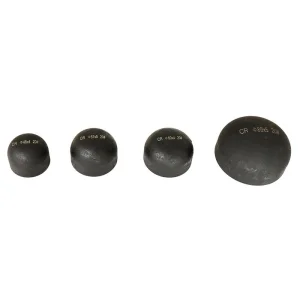
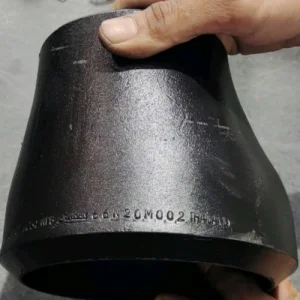
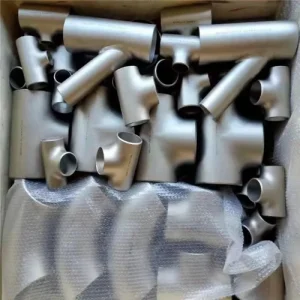
Core Fire Control & Fluid Management Valve Series
Explore factory-direct pricing, certified material specifications, and engineering compliance details across our primary industrial piping and valve components.
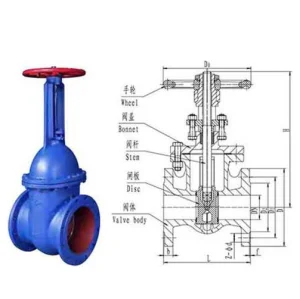
Optimizing Fire Control Valve Selection: Cost Dynamics, Technical Compliance & System Integration
In modern industrial safety architecture, fire control valves act as the primary defense against catastrophic structural and economic losses. Deciding on the optimal fire control valve pricelist and service provider requires a multi-dimensional evaluation beyond initial purchase unit pricing. Engineering decision-makers must evaluate dynamic hydraulic response times, zero-leakage elastomeric sealing performance, pressure degradation curves, and long-term compliance under rigorous NFPA, UL, FM, and EN standards.
Total Cost of Ownership (TCO)
Initial acquisition cost represents less than 20% of a fire valve's lifetime expense. Operating costs are dominated by maintenance cycles, downtime risk, and friction-loss pumping energy demands.
- Low hydraulic friction factor (C-value > 140)
- Extended seat seal longevity reducing overhaul frequency
- Direct factory pricelist advantages without broker margins
Stringent Regulatory Compliance
Fire safety hardware must maintain uncompromised readiness under zero-flow static pressures up to PN25 (2.5 MPa) and immediate fluid delivery under emergency activation triggers.
- NFPA 13, NFPA 20, & NFPA 24 layout compliance
- UL/FM design equivalent structural casting integrity
- Full EN 10204 3.1 Traceable Material Test Certificates
Systemic Piping Integration
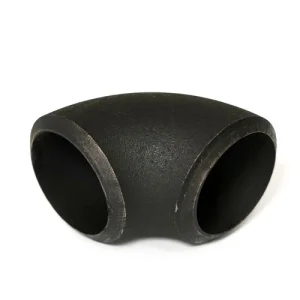
Fire control valves do not operate in isolation. They must perfectly interface with ASME B16.5 weld neck flanges, butt-weld carbon steel elbows, and seamless fire-loop pipelines.
- Matching bolt circle dimensions (ANSI / DIN / BS)
- Resilient wedge design preventing water hammer shocks
- Compatible epoxy powder coatings (300µm FBE min.)
Comprehensive Technical Specifications: Fire Valves & Integrated Pipe Components
To streamline engineering review for EPC contractors and procurement managers, the table below provides key dimensional, metallurgical, and operating parameters for our fire protection valve and piping inventory.
| Valve / Component Category | Available Size Range | Nominal Pressure (PN / Class) | Body Material Options | Sealing & Lining Standard |
|---|---|---|---|---|
| Resilient Seated Gate Valve (Z45X) | DN50 – DN600 (2" to 24") | PN10 / PN16 / PN25 | Ductile Iron QT450-10 / ASTM A536 | EPDM Fully Encapsulated Wedge, FBE Coated |
| Parallel Double Gate Valve (Z44T/W) | DN40 – DN800 (1.5" to 32") | PN10 / PN16 | Cast Iron HT200 / Carbon Steel WCB | Brass / Stainless Steel Face-to-Face Ring |
| Double Eccentric Butterfly Valve (D342X) | DN100 – DN1200 (4" to 48") | PN10 / PN16 | Ductile Iron / Carbon Steel WCB | Replaceable NBR / EPDM / Metal Seat |
| Stainless Steel Flanged Ball Valve (Q41F) | DN15 – DN300 (0.5" to 12") | PN16 / PN25 / Class 150 | SS304 (CF8) / SS316 (CF8M) / SS316L | Reinforced PTFE / RPTFE Zero-Leakage Seat |
| ASME B16.5 / ANSI Forged Flanges | DN10 – DN4000 (3/8" to 160") | Class 150 – Class 2500 | ASTM A105 / A182 F304/F316 / A350 LF2 | Raised Face (RF) / Ring Type Joint (RTJ) |
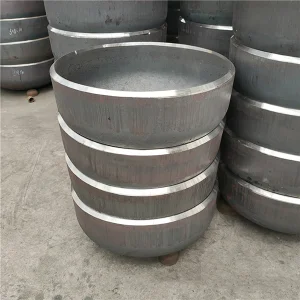
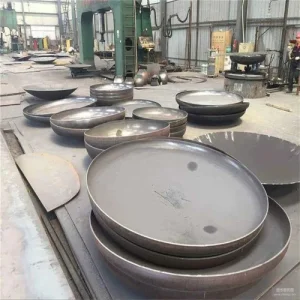
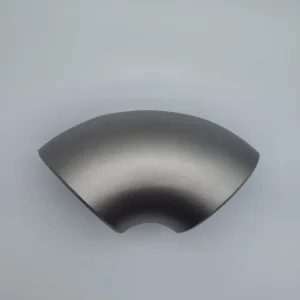
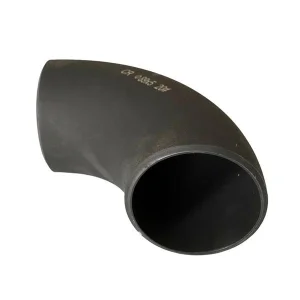
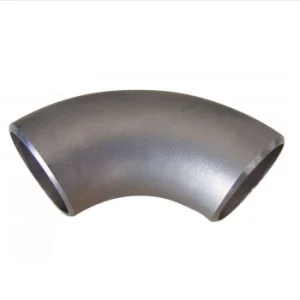
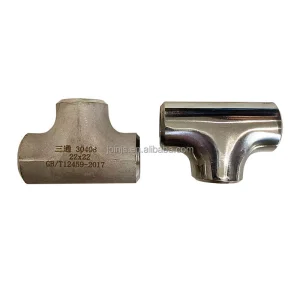
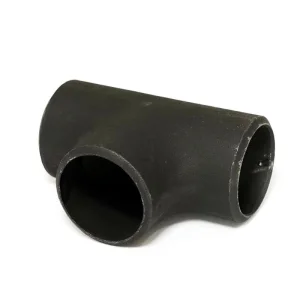
| Butt-Weld Pipe Fittings (Elbows/Tees) | DN15 – DN1900 (0.5" to 78") | SCH10 to SCH160 / XXS | ASTM A234 WPB / A403 WP304/316 | Beveled Ends to ASME B16.25 / Anti-Corrosion Rust Oil |
Quality Verification Note:
Every batch of fire control valves shipped from our facility undergoes 100% shell hydrostatic testing at 1.5 times the nominal working pressure and tight seat closure testing at 1.1 times nominal pressure, fulfilling rigid international fire safety requirements prior to export packing.
China Factory Cluster Advantages: Strategic Manufacturing in Cangzhou
The global fire valve and piping market relies heavily on optimized supply chains. Located in Cangzhou, Hebei Province, Hebei Cangrun Pipeline Equipment Co., Ltd. alongside its specialized subsidiaries—Cangzhou Feiwo Metal Products Co., Ltd. and Cangzhou Feixiang Metal Products Co., Ltd.—forms an integrated industrial ecosystem that delivers substantial economic and technical benefits to international buyers.
Vertical Raw Material Integration
Situated within China's primary steel and metallurgy corridor, our plants secure direct mill-run prices for premium ductile iron (QT450-10), carbon steel (A234 WPB, WCB), and high-grade stainless steel (304/316). This minimizes material waste and shields overseas clients from commodity price spikes.
High-Precision Automated CNC Machining
Our manufacturing lines utilize multi-axis CNC machining centers, automated electrostatic powder coating cells (FBE), and computerized torque testing equipment. This guarantees precise dimensional tolerances for valve stem threads, disc seating faces, and flange bolt hole configurations.
Streamlined Logistics & Port Accessibility
Our strategic position near Tianjin Port (Tianjin Gang) enables swift container consolidation. Complete project shipments—combining heavy-duty fire control valves, forged flanges, carbon steel nipples, and butt-weld elbows—are staged and loaded efficiently, sharply cutting ocean freight expenses.
Global Technological Trends Reshaping Fire Control Valve Systems
The industrial fire protection landscape is undergoing rapid modernization driven by IoT adoption, stringent environmental regulations, and demanding marine and off-shore conditions. Procurement teams must select valve systems engineered to adapt to these global shifts.
1. Smart IoT & Remote Solenoid Monitoring
Modern deluge and pre-action valves are increasingly integrated with digital position indicators, pressure transducers, and remote electric solenoid actuators. Real-time telemetry notifies plant control centers of line pressure drops, valve tamper alerts, or stem position changes instantly.
2. Zero-VOC Fusion Bonded Epoxy (FBE) Coating
Environmental standards demand non-toxic, highly durable interior and exterior coatings. Advanced 300-micron electrostatic FBE coatings prevent internal tuberculation and corrosion, maintaining smooth hydraulic flow even after decades of continuous water immersion.
3. Double-Interlock Pre-Action Architecture
To eliminate accidental water discharge in sensitive environments such as data centers and semiconductor cleanrooms, industry demand has shifted toward double-interlock pre-action systems requiring both pneumatic pressure loss and electric flame/smoke detector confirmation.
Localized Application Scenarios & Engineering Case Matrices
Fire valves perform distinct critical duties depending on their operating environment. Below are real-world installation profiles where Cangrun fire valve and piping solutions are deployed globally.
Petrochemical & Refinery Tank Farms
High-risk hydrocarbon processing areas utilize automatic deluge valves paired with stainless steel (SS316L) ball valves (Q41F) and high-pressure forged flanges (ASME B16.5). Rapid full-flow actuation envelopes fuel storage vessels in cooling water spray during thermal emergency events.
High-Rise Commercial & Mixed-Use Towers
Vertical riser mainlines rely on soft-seal resilient seated gate valves (Z45X) and parallel double gate valves (Z44T/W). These valves enable smooth isolation of vertical zones up to PN25 pressure limits without risking hydraulic shock or disc chatter.
Cold Storage & Temperature-Controlled Warehouses
Sub-zero logistics facilities utilize pre-action fire control valve trim sets matched with SCH80 UPVC equal tees and galvanized steel piping to prevent water freezing within dry-pipe distribution manifolds prior to system activation.
Integrated EPC Solutions: Complete Piping Package Sourcing
Procuring individual valves and fittings from disparate vendors creates severe installation risks, including flange face mismatch, uneven bolt torque requirements, and fragmented logistics tracking. Cangrun Pipeline provides an integrated, single-source procurement solution.
One-Stop Piping Package Co-ordination
Engineering Procurement and Construction (EPC) firms can bundle complete Bill of Materials (BOM) requests into a single standard purchase order:
Z44T/W Gate Valves, Z45X Resilient Valves, D342X Butterfly Valves
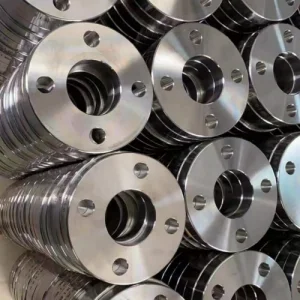
ASME B16.5 Weld Neck, Slip-On & Blind Flanges (DN10–DN4000)
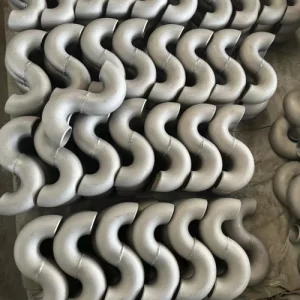
1.5D Elbows, Equal/Reducing Tees, Concentric & Eccentric Reducers
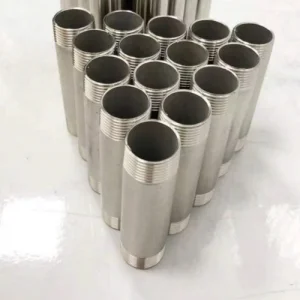
Seamless Steel Pipe, ERW Pipe, Threaded Nipple Series
Fire Control Valve Pricelist Dynamics & Global Sourcing Criteria
Understanding pricing structures allows procurement agents to optimize capital expenditure without compromising safety compliance. Fire control valve pricing is determined by clear technical variables.
Key Cost Drivers in Valve Manufacturing
- Metallurgical Grade: Ductile iron (QT450-10) provides an optimal strength-to-cost ratio for standard water mains, while SS316 stainless steel commands a premium for aggressive chemical environments.
- Sealing Trim Technology: EPDM vulcanized resilient wedges cost significantly less over their service life compared to metal-to-metal seats due to reduced maintenance demands.
- Pressure Rating Classes: Upgrading from PN10 to PN25 increases body casting wall thickness and flange bolting dimensions, increasing material weight by approximately 18-30%.
International Purchasing Checklist
- Documentation: Require Mill Test Certificates (MTC) to EN 10204 3.1 certifying chemical composition and tensile strength.
- Inspection Protocols: Validate third-party inspection (SGS, Bureau Veritas, TUV) options for hydro-testing and coating thickness verification.
- Packaging Standards: Ensure seaworthy wooden crate packaging with internal moisture barriers to protect machined flange faces during ocean transport.
Frequently Asked Questions (FAQ) for Procurement Managers
Clear, direct answers regarding valve pricing, engineering compliance, manufacturing lead times, and global shipping.
High-Pressure Pipe Caps, Flanges & Butt-Weld Fitting Series
Complete your fire system and industrial fluid network with our full line of carbon steel, stainless steel, and alloy pipeline components.