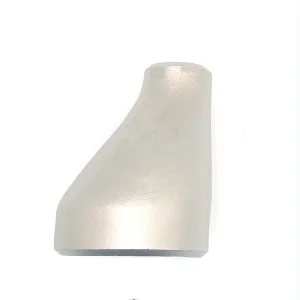
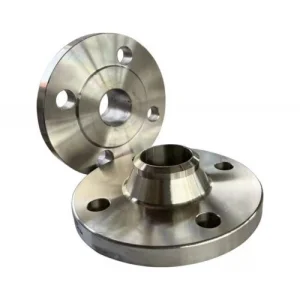
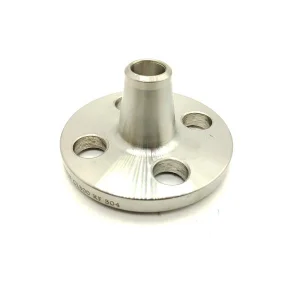
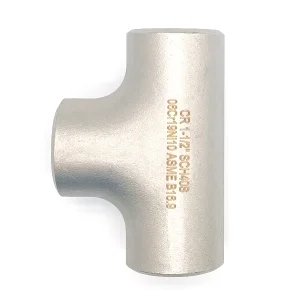
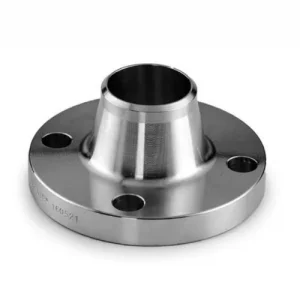
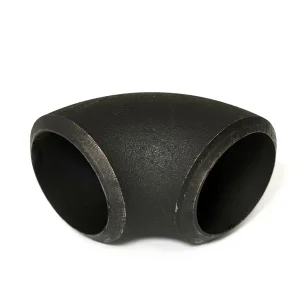
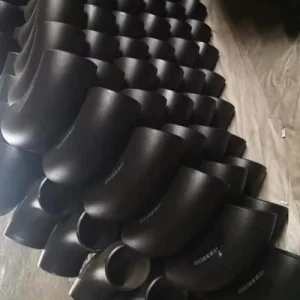
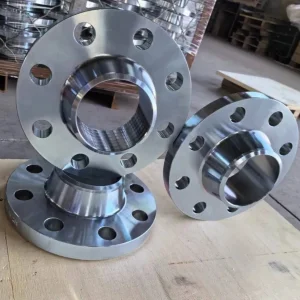
Featured Industrial Alloy Fittings & Components
Precision-machined, high-pressure pipeline components certified to ASME B16.9, ANSI B16.5, and international standards.
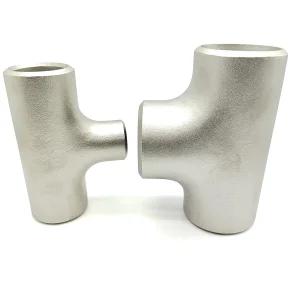
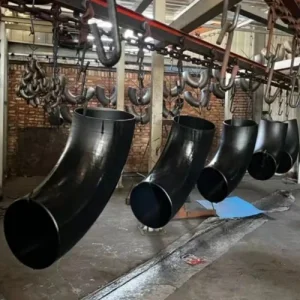
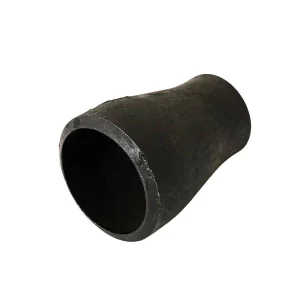
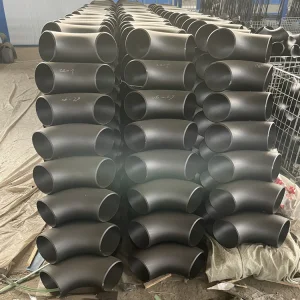
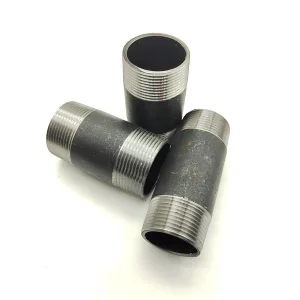
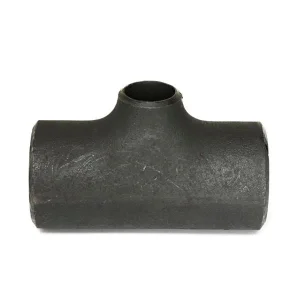
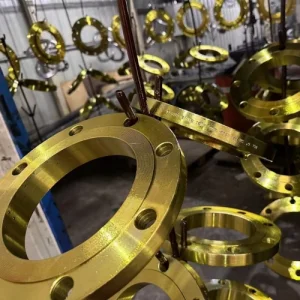
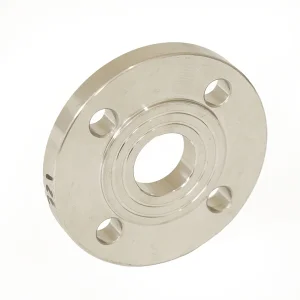
Critical Engineering Overview: High-Yield Alloy Pipe Fitting Technology
Navigating material selection, stress distribution, and thermal endurance in high-pressure piping infrastructure.
In modern process industries—spanning ultra-supercritical thermal power, deep-water offshore drilling, LNG re-gasification, and hydrogen energy processing—pipeline integrity is paramount. Pipeline failures caused by localized stress concentration, thermal fatigue, or environmental cracking can result in catastrophic operational downtime and ecological hazards. Selecting the optimal Alloy Pipe Fittings Manufacturer & Supplier is not merely a commercial procurement task; it is a critical engineering decision that governs plant lifespan and safety protocols.
Alloy pipe fittings, encompassing elbows, tees, reducers, caps, and forged flanges, are engineered by blending iron-carbon matrices with specific alloying elements such as Chromium (Cr), Molybdenum (Mo), Nickel (Ni), Vanadium (V), Titanium (Ti), and Niobium (Nb). These elements fundamentally alter the crystal microstructure, yielding superior tensile strength, enhanced yield limits, and exceptional resistance to oxidation and creep at elevated temperatures (exceeding 600°C) or cryogenic thresholds (below -196°C).
Low-Alloy Steel (Cr-Mo)
Grades like ASTM A234 WP11, WP22, WP91, and WP92 provide high creep-rupture strength. Molybdenum enhances elevated-temperature strength, while Chromium improves oxidation resistance up to 650°C in high-pressure steam utility lines.
Austenitic & Duplex Stainless
Grades such as ASTM A403 WP304/304L, WP316/316L, 2205 (UNS S31803), and Super Duplex 2507 (UNS S32750) deliver outstanding resistance to pitting corrosion (PREN > 40) and chloride stress-corrosion cracking in marine environments.
High-Nickel Superalloys
Inconel 625, Monel 400, and Hastelloy C276 fittings are designed for severe acid-gas environments, sour crude cracking (NACE MR0175 compliance), and aggressive chemical synthesis processes where standard steels degrade rapidly.
| Material Category | Standard Specifications | Common ASTM / ASME Grades | Operational Temperature Range | Primary Industrial Applications |
|---|---|---|---|---|
| High-Temp Alloy Steel | ASTM A234 / ASME SA234 | WP11, WP22, WP5, WP91, WP92 | -29°C to 650°C (-20°F to 1200°F) | Thermal Power Plants, Steam Drums, Refineries |
| Low-Temp Carbon Steel | ASTM A420 / ASME SA420 | WPL6, WPL3, WPL9 | -45°C to -101°C (-50°F to -150°F) | LNG Storage, Cryogenic Gas Processing, Arctic Lines |
| Stainless Steel | ASTM A403 / ASME SA403 | WP304/304L, WP316/316L, 317L, 347H | -196°C to 815°C (-320°F to 1500°F) | Chemical Processing, Pharmaceuticals, Food & Beverage |
| Duplex Stainless Steel | ASTM A815 / ASME SA815 | UNS S31803 (2205), UNS S32750 (2507) | -50°C to 300°C (-58°F to 572°F) | Offshore Riser Systems, Desalination, Petrochemical |
| Nickel Alloys | ASTM B366 / ASME SB366 | Inconel 625, Monel 400, Hastelloy C276 | -196°C to 1000°C (-320°F to 1832°F) | Sour Gas (H2S) Extraction, Marine Acid Processing |
The Cangzhou Industrial Ecosystem: China's Pipe Fitting Powerhouse
Discover how advanced forging technology, scale economics, and rigorous QA frameworks empower global EPC procurement.
Located in Hebei Province, Cangzhou represents the epicenter of China’s steel pipeline equipment manufacturing. Factories in industrial zones such as Bobei and Boerzhuang have evolved from localized workshops into world-class manufacturing complexes. By combining fully integrated raw-material forging, hot-extrusion elbow forming, precision CNC beveling, and automated heat treatment, Chinese manufacturers supply over 40% of the world's industrial pipe fittings.
Key Technological Advantages of Partnering with Cangzhou Manufacturers:
- Integrated Supply Chain Synergy: Immediate access to tier-one steel mills (Baosteel, TPCO, Tsingshan) ensures raw seamless pipe stock and heavy forging billets are sourced with full chemical heat-traceability.
- State-of-the-Art Thermal Processing: Computerized normalizing, quenching, tempering, and solution-annealing furnaces eliminate internal residual stresses and guarantee grain size refinement (ASTM E112 Grade 7 or finer).
- Advanced Non-Destructive Testing (NDT): Comprehensive quality checks including Radiographic Testing (RT), Ultrasonic Testing (UT), Magnetic Particle Inspection (MT), and Positive Material Identification (PMI) spectro-analysis on every heat lot.
- Custom Machining Capabilities: Capability to press seamless tees from 1/2" to 24" and welded heavy-wall tees up to 78" (DN1900) with wall thicknesses reaching 150 mm.
E-E-A-T Sourcing Note: Material Test Certificate (MTC) Compliance
To guard against material substitution, top-tier Cangzhou manufacturers issue EN 10204 3.1 & 3.2 Material Test Certificates. Every physical tensile test, impact energy value (Charpy V-Notch at low temperatures), and chemical spectrum analysis is directly linked to the stamped heat number on each fitting.
Global Industry Trends Shaping Pipeline Engineering
From green hydrogen infrastructure to AI-assisted non-destructive quality verification.
1. Hydrogen Transport & Embrittlement Resistance
As the global energy transition accelerates, existing and new pipelines are being converted for blend and pure Hydrogen (H2) transport. Advanced low-alloy and stainless fittings undergo specialized micro-structure control to eliminate hydrogen embrittlement susceptibility under high pressure.
2. Digital Twin & 3D Laser Scanning
Modern EPC contracts require dimensional precision within strict tolerances (+/-0.5mm). Leading suppliers leverage automated 3D laser arm scanners to map weld bevel profiles and wall thickness geometry, creating digital twins for virtual alignment before site installation.
3. Advanced Ultra-Supercritical (A-USC)
Next-generation coal-fired and biomass power units operate at temperatures up to 700°C. Sourcing requires high-nickel modified alloy fittings (such as UNS K92460 / WP92) that exhibit ultra-high thermal fatigue endurance and creep rupture stability.
Macro Industry Solutions & Application Scenarios
Tailored piping components designed for harsh operational environments around the globe.
Offshore Subsea & FPSO
Deepwater oil extraction demands heavy-wall duplex stainless steel butt-weld tees and forged weld neck flanges that withstand extreme hydrostatic pressure, external wave bending moments, and corrosive seawater splashing.
Refining & Hydrocracking
Hydrotreating and catalytic cracking units handle high-pressure sour crude laden with H2S and organic acids. Alloy 15CrMo, WP11, and WP22 fittings prevent sulfidation corrosion and hydrogen attack at high temperatures.
Nuclear Power Piping
Primary coolant loop fittings require ASME Section III nuclear certification. Austenite stainless steels (304H, 317L) undergo hydrostatic testing, dye-penetrant checks, and zero-defect ultrasonic clearance.
LNG Liquefaction & Storage
Handling liquefied natural gas at -162°C demands cryogenic toughness. ASTM A420 WPL6 carbon steel and austenitic stainless steel caps and reducers preserve impact energy values down to sub-zero spectrums.
Coal-to-Chemical Slurry Lines
Methanol-to-Olefins (MTO) and coal gasification plants suffer intense solid particle erosion. Thickened heavy-wall alloy elbows and custom long-radius bends minimize fluid turbulence and abrasive wear.
District Heating & Steam Networks
Urban high-pressure steam utility mains employ seamless carbon and low-alloy steel equal tees and reducers, delivering low thermal loss and high cyclic stress endurance across decades of continuous service.
Global Procurement Demand & Risk Mitigation Framework
Strategic insights for international EPC buyers, project engineers, and supply chain managers.
Procuring industrial piping packages involves coordinating multiple variables: material grades, dimensional tolerances, international tariff compliance, sea-freight logistics, and project deadlines. Overseas procurement directors must evaluate suppliers based on structured E-E-A-T (Experience, Expertise, Authoritativeness, and Trustworthiness) metrics.
Supplier Evaluation Checklist for EPC Projects:
- Quality System Accreditation: Does the facility hold valid ISO 9001, ISO 14001, ISO 45001, and PED 2014/68/EU approvals?
- Raw Material Traceability: Can the manufacturer provide heat-lot tracking from the original steel mill through every step of forming and machining?
- Heat Treatment Capability: Are annealing, quenching, and tempering processes managed with calibrated thermocouples and automated recording charts?
- Third-Party Inspection (TPI): Is the supplier willing to host independent inspectors (SGS, TÜV, DNV, Bureau Veritas, Lloyd's Register) for hold-point witness checks?
- Packaging & Corrosion Protection: Are carbon fittings shot-blasted and coated with black rust-preventive paint, plastic end caps installed, and packed in seaworthy plywood cases or pallets?
Frequently Asked Questions by Engineering & Sourcing Teams
What is the difference between seamless and welded alloy pipe fittings?
Which international standards govern alloy pipe fitting dimensions and tolerances?
How does heat treatment affect alloy steel fitting performance?
What testing documentation accompanies exported pipe fittings?
Can fittings be customized for non-standard schedules or transition bevels?
How do manufacturers prevent corrosion during maritime export transit?
Additional Pipe Fittings & High-Pressure Flanges
Explore our expanded inventory of stainless, carbon, and forged steel pipe components.