High-Precision Industrial Piping Components
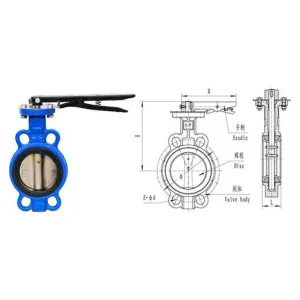
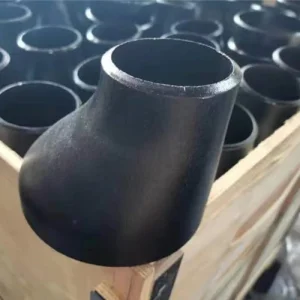
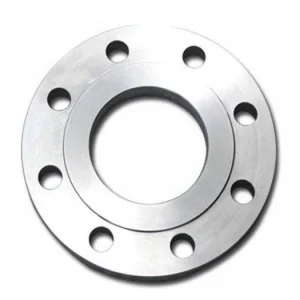
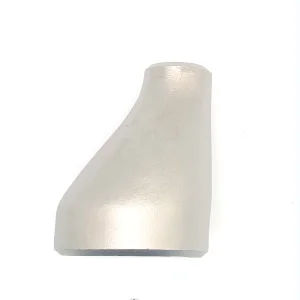
Explore our export-grade portfolio of ASME/AISI standard carbon steel elbows, flanges, tees, reducers, and flow control valves.
Executive Summary: Global Commercial Landscape of AISI Carbon Steel Elbows
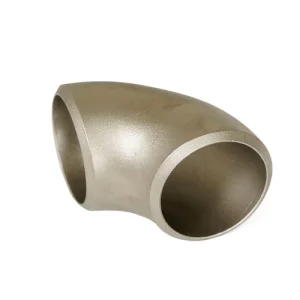
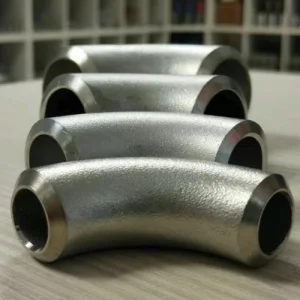
In modern industrial fluid transport networks, the AISI carbon steel elbow represents the critical vector for directional change, pressure attenuation, and mechanical load distribution. Derived from standardized specifications established by the American Iron and Steel Institute (AISI) and refined under ASTM/ASME frameworks (such as ASTM A234 WPB, WPC, and AISI 1020/1045 forging grades), carbon steel elbows handle high-velocity fluid flow, thermal expansion, and mechanical vibration across world-scale infrastructure projects.
The global demand for industrial butt-weld and forged carbon steel elbows is experiencing an unprecedented expansion, driven by three mega-trends: the rapid expansion of global Liquefied Natural Gas (LNG) processing and regasification hubs, massive modernizations of municipal district heating networks, and severe offshore energy infrastructure builds. Because pipeline systems must operate continuously under fluctuating pressure dynamics without structural fatigue, selecting the best AISI carbon steel elbow factory and exporter is a strategic imperative for Engineering, Procurement, and Construction (EPC) contractors.
Core Engineering Metrics
- Standard Equivalencies: AISI 1020/1045, ASTM A234 WPB/WPC, ASME B16.9, EN 10253-2.
- Velocity & Stress Limits: Supports hydrodynamic pressures up to Class 2500 / SCH XXS.
- Temperature Thresholds: -29°C to 425°C continuous rating under ASTM A234 WPB normalized conditions.
- Global Compliance: Full compliance with PED 2014/68/EU Directive, ASME Boiler & Pressure Vessel Code (BPVC), and ISO 15156 / NACE MR0175 for sour service.
AISI Carbon Steel Chemistry, Standard Cross-References & Dimensional Control
Understanding the microstructural evolution of carbon steel during thermo-mechanical processing is key to avoiding fluid-induced erosion, hydrogen-induced cracking (HIC), and premature pipe burst. AISI carbon steel formulations—primarily low to medium carbon steels containing manganese, silicon, phosphorus, and sulfur—must meet stringent micro-alloy balance requirements to guarantee optimal ductility and weldability.
While AISI (American Iron and Steel Institute) defines raw steel chemical compositions (e.g., AISI 1020 low-carbon steel, AISI 1045 medium carbon steel), piping system specifications rely on ASTM (American Society for Testing and Materials) for pressure piping product specifications. Thus, an AISI 1020 chemical equivalent is formed, normalized, and certified under ASTM A234 Grade WPB or WPC for butt-weld fittings, and ASTM A105 for high-pressure forged fittings.
Chemical Composition & Mechanical Properties Matrix
| Steel Grade Standard | Carbon (C) % | Manganese (Mn) % | Silicon (Si) % | Yield Strength (MPa) | Tensile Strength (MPa) | Elongation (%) |
|---|---|---|---|---|---|---|
| AISI 1020 / ASTM A234 WPB | 0.30 max | 0.29 – 1.06 | 0.10 min | ≥ 240 MPa | 415 – 585 MPa | ≥ 30% |
| AISI 1045 / Forging Grade | 0.43 – 0.50 | 0.60 – 0.90 | 0.15 – 0.35 | ≥ 310 MPa | ≥ 570 MPa | ≥ 16% |
| ASTM A234 Grade WPC | 0.30 max | 0.98 – 1.35 | 0.15 min | ≥ 275 MPa | 485 – 655 MPa | ≥ 30% |
| ASTM A420 WPL6 (Low Temp) | 0.30 max | 0.60 – 1.35 | 0.15 – 0.40 | ≥ 240 MPa | 415 – 585 MPa | ≥ 28% (at -45°C) |
Manufacturing Process Engineering: Mandrel Hot-Forming vs. Cold Pressing
Hot Mandrel Pushing Process
Utilized for seamless long radius (1.5D) and short radius (1.0D) AISI carbon steel elbows (DN15 to DN600). The raw seamless steel tube is pushed over a horn-shaped inner mandrel under high-frequency induction heating. This guarantees uniform wall thickness, perfectly circular geometry, and zero micro-cracking along the extrados bend curve.
Hydraulic Cold Pressing
Applied to large-diameter carbon steel elbows (DN600 up to DN1900) or specialized low-carbon alloy grades. Prepared steel plates are pressed into two half-shell dies using multi-ton hydraulic presses, followed by submerged arc welding (SAW), 100% X-ray radiographic inspection (RT), and stress-relieving post-weld heat treatment (PWHT).
Precision Die Forging
Used for heavy wall socket weld (SW) and threaded (NPT) carbon steel fittings under ASME B16.11. Solid AISI 1020 or A105 steel billets are induction heated and forged under closed die hammers to create high-density forged elbows rated for 3000#, 6000#, and 9000# pressure classes.
The Cangzhou Advantage: Supply Chain Efficiency & Global Competitiveness
Cangzhou City in Hebei Province, China, stands as the undisputed global capital of industrial pipeline component manufacturing. As home to premier enterprise hubs such as Hebei Cangrun Pipeline Equipment Co., Ltd. and its specialized production entities—Cangzhou Feiwo Metal Products Co., Ltd. and Cangzhou Feixiang Metal Products Co., Ltd.—this industrial cluster supplies over 40% of the world's industrial steel pipe fittings.
For international buyers, sourcing AISI carbon steel elbows from Cangzhou factories offers distinct, measurable structural advantages:
- End-to-End Vertical Integration: Raw material procurement from top-tier domestic steel mills (Baosteel, Shougang) directly feeds automated hot-push mandrel lines, CNC beveling machines, and automated heat-treatment furnaces within a 15-kilometer operational radius.
- Unrivaled Cost Efficiency: Scale production, localized tooling supply chains, and optimized energy utilization deliver a 20% to 35% total cost reduction compared to European or North American manufacturing facilities without compromising metallurgical integrity.
- Robust Quality Assurance: Every production batch undergoes rigorous Quality Management System protocols certified to ISO 9001:2015, ISO 14001, OHSAS 18001, and CE PED 2014/68/EU standards.
Comprehensive NDT Quality Control Pipeline
To eliminate catastrophic piping failures in downstream energy and chemical plants, top Cangzhou exporters execute rigorous Non-Destructive Testing (NDT) on 100% of exported carbon steel elbows:
Localized Application Scenarios & Global Field Deployments
AISI carbon steel elbows serve diverse severe-service environments across distinct geographic sectors. Proper material specification prevents stress corrosion cracking, erosion-corrosion, and thermal-cycling fatigue.
Middle East Oil & Gas (Sour Service)
Environment: High H2S content, elevated wellhead pressures, and ambient desert heat.
Engineering Solution: Heavy-wall ASTM A234 WPB / AISI 1020 elbows modified for NACE MR0175 compliance. Carbon equivalent (CE) is strictly controlled below 0.42% to prevent heat-affected zone (HAZ) embrittlement during field girth welding.
North American Petrochemical Refineries
Environment: Thermal shock, catalytic cracking, and continuous high-velocity hydrocarbon flow.
Engineering Solution: ASME B16.9 Long Radius 90° and 45° elbows manufactured with SCH 80 / SCH 160 extra-heavy wall profiles. Normalized heat treatment (890°C to 910°C) restores fine-grained ferrite-pearlite microstructure for maximum creep strength.
European District Heating Networks
Environment: Underground superheated water distribution at elevated hydraulic pressure.
Engineering Solution: Seamless AISI carbon steel elbows with external 3-layer Polyethylene (3LPE) or Polyurethane insulation jacketing. 100% bevel end protection according to ASME B16.25 for rapid orbital field welding.
Strategic RFQ Optimization & Verification Checklist for B2B Buyers
When issuing a Request for Quotation (RFQ) to global carbon steel elbow exporters, precision in line-item specification prevents costly mid-project delays and material rejections. Procurement leaders must verify the following critical criteria prior to PO release:
- Dimensional Standards & Radii: Explicitly designate ASME B16.9, EN 10253-2, or JIS B2311. Specify center-to-end radius as Long Radius (LR = 1.5D) for minimum friction head loss, or Short Radius (SR = 1.0D) for tight spatial constraints.
- Wall Thickness Schedule: Cross-reference pipe schedule designation (SCH 10, 40, 80, 160, XXS) with exact wall thickness in millimeters (e.g., DN200 SCH 40 = 8.18mm WT).
- Surface Protection & Anti-Corrosion Coating: Define surface finish requirements: black rust-preventive paint, transparent varnish, hot-dip galvanizing (HDG), or fusion-bonded epoxy (FBE).
- Material Test Report (MTR) Requirements: Require EN 10204 3.1 Material Test Reports certifying heat number traceability, mechanical yield/tensile/impact values, and chemical heat analysis.
Technological Trends Shaping Carbon Steel Fitting Production
AI-Powered Automated Geometry Inspection
Modern Cangzhou factories integrate 3D laser scanner vision systems directly on the extrusion outlet. Real-time point-cloud mapping checks end-squareness, bevel angles, and center-to-end tolerances against CAD models with sub-millimeter precision.
Decarbonized Metallurgical Production (Green Steel)
To meet Scope 3 emissions targets, top exporters are transitioning raw billet sourcing toward Electric Arc Furnace (EAF) mills powered by renewable energy, reducing the carbon footprint per ton of steel elbows produced by up to 40%.
Frequently Asked Questions (FAQ)
In-depth technical answers addressing common engineering and procurement inquiries regarding AISI carbon steel elbows and factory exporting procedures.
What is the structural difference between AISI 1020 and ASTM A234 WPB carbon steel elbows?
When should I specify a 90° Long Radius (1.5D) vs. a 90° Short Radius (1.0D) elbow?
Why is Cangzhou considered the primary hub for importing carbon steel elbows?
How do factory exporters protect carbon steel elbows against marine transit corrosion?
Can AISI carbon steel elbows be welded directly to stainless steel pipes?
What documentation should be provided with a shipment of export-grade pipe elbows?
Explore Additional High-Performance Pipeline Fittings & Accessories
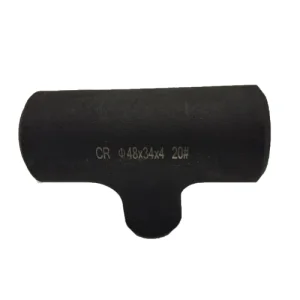
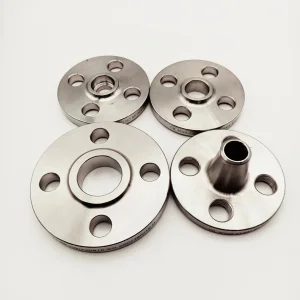
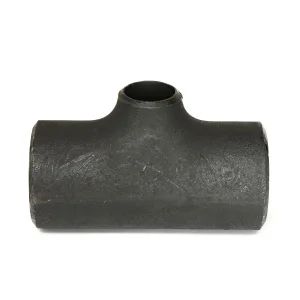
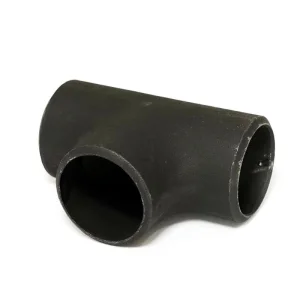
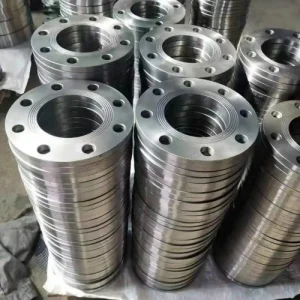
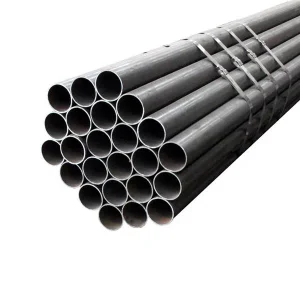
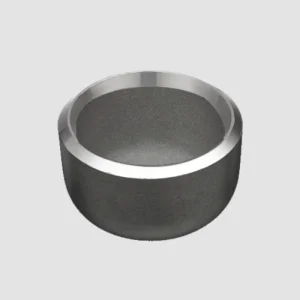
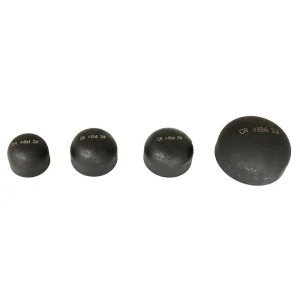
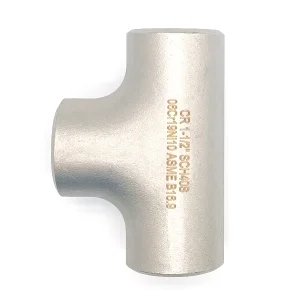
Complete your procurement package with our certified line of elbows, unequal tees, forged flanges, and industrial welded steel pipes.