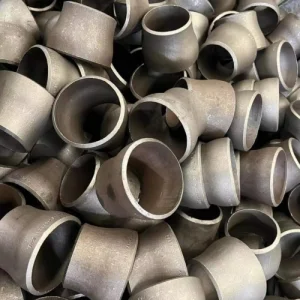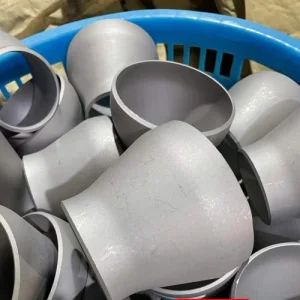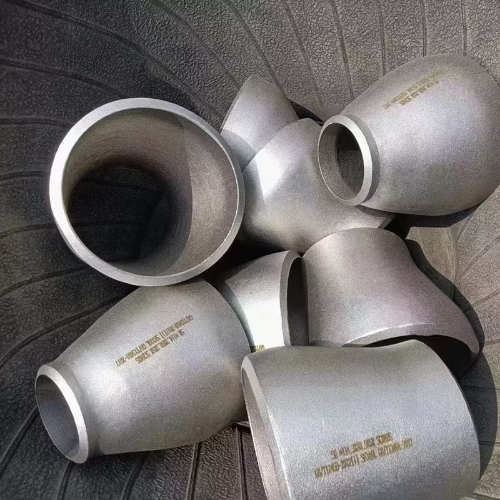
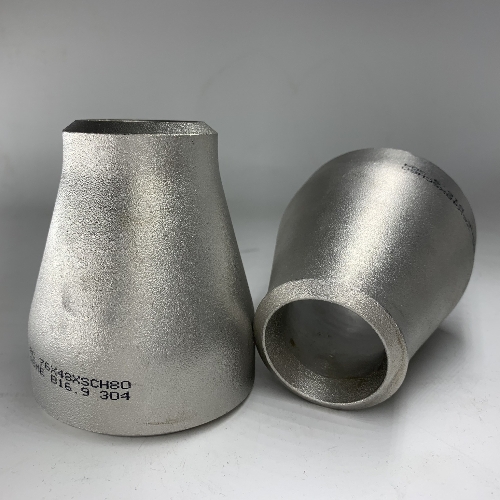
Famous Pipe Reducer Manufacturers, Companies
Product Description
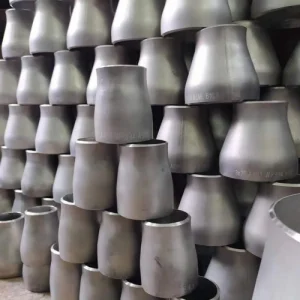
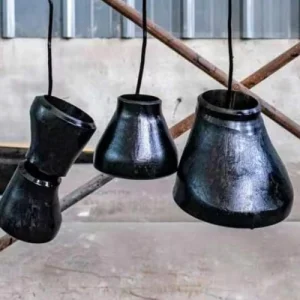
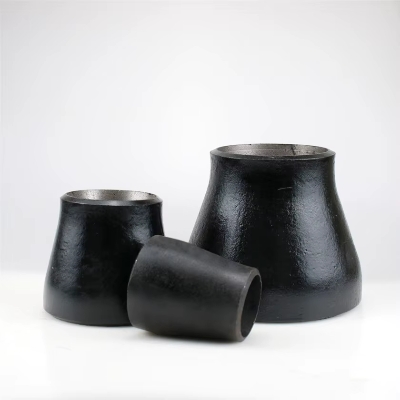
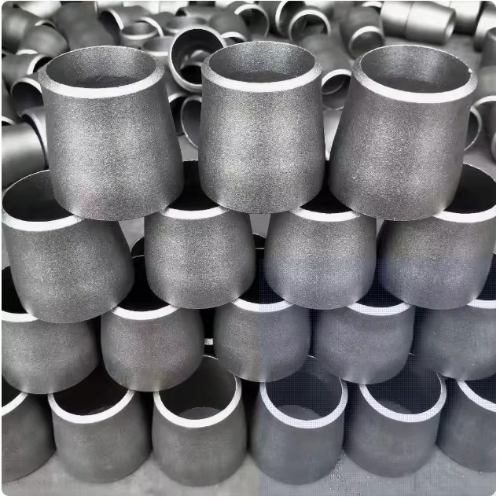
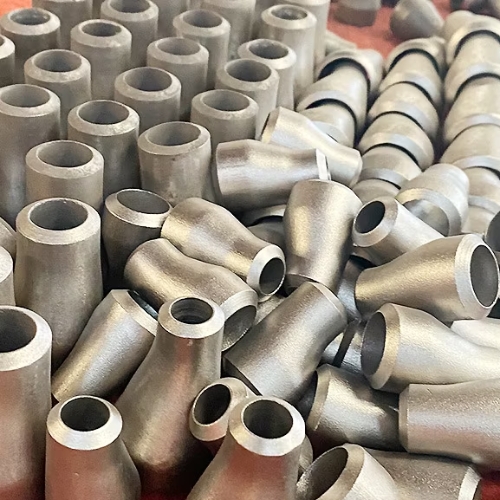
Main Types
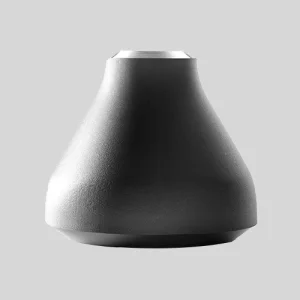
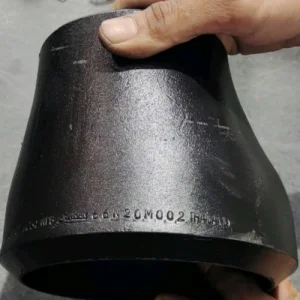
- Conical shape with a consistent centerline
- Used for vertical pipes or where top/bottom flushing is required
- Reduces cavitation and turbulence
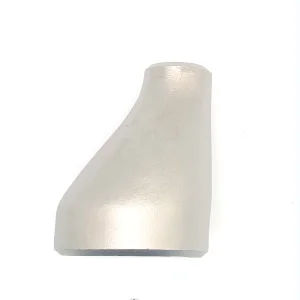
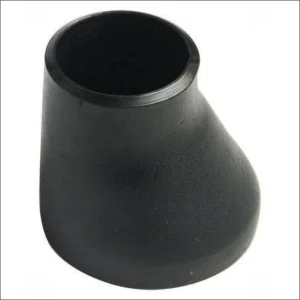
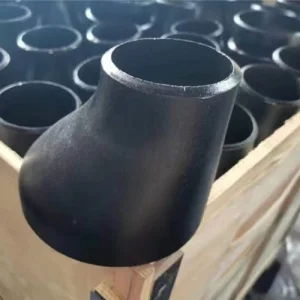
- One side is straight, the other is beveled
- Commonly used in horizontal pipes to prevent gas accumulation or liquid sedimentation
- Categories include "flush top" and "flush bottom" types
Material Options
We offer pipe reducers in a variety of materials to meet different application requirements:
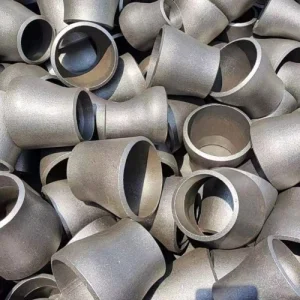
- Carbon steel (ASTM A234 WPB)
- Stainless steel (304, 316, 316L, etc.)
- Alloy steel (A234 WP5, WP9, WP11, etc.)
- Duplex stainless steel
- Nickel-based alloys
Manufacturing Standards
Products comply with the following international standards:
- ASME B16.9 (factory-made forged steel butt-weld pipe fittings)
- ANSI/ASME B16.11 (Forged steel pipe fittings for socket welding and threaded connections)
- MSS SP-43 (Forged stainless steel butt-weld pipe fittings)
- DIN 2616 (German Standard)
- JIS B2311 (Japanese Standard)
Technical Specifications
| Size range | 1/2" to 48" (DN15-DN1200) |
| Pressure rating | Sch5s to Sch160 XXS |
| Connection methods | Butt weld, socket weld, threaded |
| Surface treatment | Sandblasting, pickling, polishing (customizable upon request) |
Applications
Pipe Reducers are widely used in:
- Oil and gas industry
- Chemical and petrochemical plants
- Power industry
- Water treatment and distribution systems
- Pharmaceutical and food processing
- HVAC systems
Product Advantages
- Precision manufacturing: Advanced processes ensure precise dimensions and low flow resistance
- Diverse options: Available in a variety of sizes, materials, and pressure ratings
- Strict quality control: Each batch undergoes rigorous testing
- Corrosion resistance: Special materials are available for corrosive environments
- Long life: High-quality materials and workmanship ensure product life
Selection Guide
When selecting a suitable pipe reducer, consider:
- Media type in the piping system
- Operating temperature and pressure
- Corrosive environment requirements
- Connection method
- Flow rate requirements
Frequently Asked Questions (FAQ)
A concentric reducer shares a common centerline between the larger and smaller ends, making it ideal for vertical piping. An eccentric reducer has an offset centerline with one flat side, which prevents gas accumulation or liquid trapping in horizontal piping installations.
Use "flush top" (flat side on top) in horizontal liquid lines to prevent air/gas pockets from accumulating. Use "flush bottom" (flat side on bottom) in horizontal gas or vapor lines to allow condensate or sediment to drain freely.
Butt-weld pipe reducers (complying with ASME B16.9) are generally preferred for high-pressure, high-temperature critical applications due to their superior structural strength and leak-proof joint design.
Material selection depends on the fluid medium, working pressure, temperature, and environmental corrosion risk. Carbon steel (ASTM A234 WPB) works for general utility services, stainless steel (304/316) for corrosive or hygienic media, and alloy steel for high-temperature service.
Yes, pipe reducers can be manufactured in non-standard sizes outside the standard 1/2" to 48" range, with customized surface treatments such as sandblasting, pickling, polishing, or special protective coatings.