
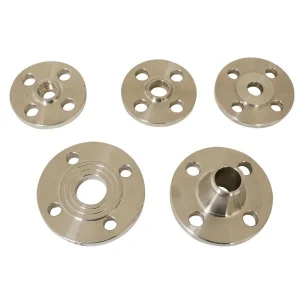
Featured Piping Components for Istanbul Projects
Pre-qualified steel flanges, welded fittings, and forged outlets specified for Marmara energy and municipal installations.
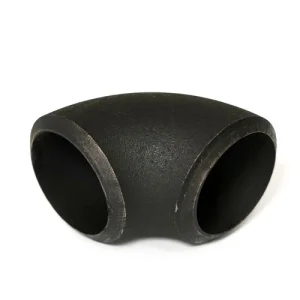
Q235 Welded Pipe Fitting Elbows for Municipal Water Distribution

SS304 Weldolet Branch Connections for High-Pressure Refining
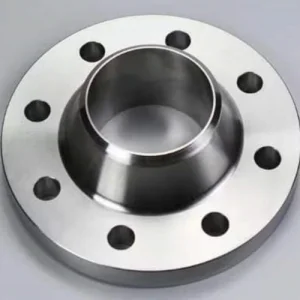
ASME B16.5 WNRF Flanges Class 600 for Trans-Anatolian Pipelines
Istanbul’s Evolving Pipeline Infrastructure Landscape
Navigating technical standards, supply chain dynamics, and strategic procurement for Turkey’s commercial capital.
As a transcontinental metropolis straddling Europe and Asia, Istanbul occupies a pivotal position in global industrial trade, energy transport, and urban infrastructure development. The greater Marmara region—encompassing industrial zones such as Gebze, Dilovasi, Tuzla, and Hadımköy—serves as Turkey’s heartland for heavy engineering, shipbuilding, petrochemical processing, and commercial construction. Consequently, the demand for high-integrity steel pipes, steel tubes, and specialized pipe fittings in the Istanbul market has experienced exponential growth, driven by mega-projects such as the TANAP gas transit extensions, Bosphorus subsea utility crossings, STAR Refinery modernization projects, and extensive urban regeneration initiatives.
Procurement directors, mechanical contractors, and engineering consultants operating within Istanbul face a multi-faceted regulatory and operational environment. Sourcing piping components is not merely a matter of price comparison; it requires strict compliance with Turkish Standards Institution (TSE) norms, European EN standards, and American ASME/API specifications. Furthermore, structural integrity in seismic-prone zones around the Sea of Marmara requires strict quality control, verified material test reports (EN 10204 3.1/3.2), and optimized branch connection solutions—such as forged outlet fittings (Weldolets, Threadolets, Sockolets)—that ensure zero leakage under high pressure and thermal cycling.
Eurasian Energy Gateway
Strategic hub connecting Russian, Caspian, and Middle Eastern hydrocarbons to European markets via complex pipeline distribution hubs across Turkey.
Seismic & Structural Compliance
Piping systems engineered to meet stringent Marmara seismic zone safety margins, calling for seamless steel tubing and high-strength forged fittings.
Dual-Port Logistics Advantages
Rapid clearing capabilities at major maritime terminals including Ambarlı Port (European side) and Haydarpaşa/Diliskelesi (Asian side).
Industrial Focus: Steel Pipes, Tubes, and Outlet Fittings in Istanbul
Analyzing high-stress branch connections, heavy-wall structural tubulars, and refinery-grade fittings.
1. Seamless Steel Pipes & Welded Tubes (ERW / LSAW)
In Istanbul's industrial corridors, steel pipe requirements are divided into two main categories: high-pressure fluid transfer and structural piling/tubular applications. Seamless carbon steel pipes compliant with ASTM A106 Grade B, API 5L Grade B/X52, and EN 10216-2 (P235GH/P265GH) form the backbone of high-temperature thermal power facilities, steam distribution lines (such as ISKI district installations), and chemical processing units in Izmit Bay. Seamless construction eliminates longitudinal seam vulnerabilities, making it indispensable for working pressures exceeding 40 bar.
Conversely, ERW (Electric Resistance Welded) and LSAW (Longitudinal Submerged Arc Welded) steel tubes manufactured to EN 10210 / EN 10219 structural standards are widely utilized in Istanbul's architectural mega-structures, bridge spans, and marine pile foundations in the Golden Horn and Bosphorus. Diameters range from DN15 up to DN2400, requiring precise beveling and uniform wall thickness tolerances to guarantee seamless field welding.
2. The Strategic Role of Outlet Fittings (Olets) in Industrial Networks
Branch pipe connections represent critical stress concentration points in any pressurized piping system. Traditional branch connections utilizing reducing tees or pipe-to-pipe stub-in welds frequently suffer from fatigue cracking under thermal expansion or seismic vibration. In response, Istanbul engineering firms and EPC contractors increasingly specify integrally reinforced forged outlet fittings (MSS SP-97 / ASME B16.11).
Factory-engineered branch connections provide substantial mechanical advantages over conventional tees:
- Weldolet®: Provides a full-size or reducing butt-weld branch output directly from the run pipe, minimizing turbulence and stress riser effects in high-pressure oil and gas mains.
- Sockolet® & Thredolet®: Ideal for small-bore piping connections (DN15 to DN50) in instrument take-offs, drain valves, and pressure gauge tapping points across power plants and pressure vessels.
- Elbolet® & Latrolet®: Custom geometric fittings designed for 45-degree lateral connections or direct elbow mounting, saving valuable space in dense offshore shipyards in Tuzla.
| Branch Connection Type | Standard Specification | Size Range (Run x Outlet) | Pressure Class / Rating | Primary Istanbul Application |
|---|---|---|---|---|
| Weldolet (Butt-Weld) | MSS SP-97 / ASME B16.9 | 1/2" – 36" (DN15 – DN900) | SCH 10S to SCH XXS | TANAP Gas Spur Lines & Refinery Manifolds |
| Sockolet (Socket-Weld) | MSS SP-97 / ASME B16.11 | 1/2" – 4" (DN15 – DN100) | 3000LBS / 6000LBS | High-Pressure Steam & Chemical Lines |
| Thredolet (NPT / BSPT) | MSS SP-97 / ASME B16.11 | 1/2" – 4" (DN15 – DN100) | 3000LBS / 6000LBS | Instrumentation Take-offs & Sampling Valves |
| Elbolet / Latrolet | MSS SP-97 / Custom | 1/2" – 24" (DN15 – DN600) | Class 150 to Class 2500 | Tuzla Shipyard Marine & Engine Piping |
Technical Standards, Regulatory Compliance & Localized Support
Ensuring smooth customs clearance, TAREKS compliance, and standard alignment across Turkish industries.
Importing steel piping components into Turkey requires strict adherence to regulatory protocols overseen by the Ministry of Trade and the Turkish Standards Institution (TSE). Overseas suppliers and local procurement managers must navigate the TAREKS risk-based trade surveillance system, which audits incoming steel imports for chemical composition, tensile strength, impact toughness, and dimensional accuracy.
To prevent costly delays at Istanbul custom gates (such as Ambarlı Port or Halkalı Inland Customs), all steel pipes, fittings, and flanges supplied by Hebei Cangrun Pipeline Equipment Co., Ltd. are backed by comprehensive quality assurance documentation:
EN 10204 3.1 / 3.2 Material Traceability
Original Mill Test Certificates providing full heat number traceability, positive material identification (PMI), and mechanical testing data for TAREKS clearance.
PED 2014/68/EU Pressure Certification
Full compliance with the European Pressure Equipment Directive, mandatory for pressure vessels and high-temperature piping operating in Turkish energy facilities.
Third-Party Inspection (TPI)
Independent verification by SGS, TÜV Rheinland, Bureau Veritas, or DNV prior to dispatch, satisfying local engineering consultant requirements.
100%
Hydrostatic & NDT Tested
DN15 - DN4000
Manufacturing Capabilities
ISO 9001:2015
Certified Quality Management
18 - 25 Days
Average Freight Time to Ambarlı
China Supply Chain Advantages & Manufacturing Scale
Why Istanbul EPCs partner directly with Cangzhou's leading pipeline equipment manufacturing cluster.
Hebei Cangrun Pipeline Equipment Co., Ltd. operates three major production bases situated in the renowned Cangzhou pipeline industry hub in Hebei, China. For engineering buyers in Istanbul, establishing a direct manufacturer relationship bridges the gap between high-volume, cost-effective factory production and stringent international project specifications.
Key Manufacturing Capabilities:
- Integrated Production Chain: From raw steel billet selection to hot extrusion, cold drawing, heat treatment (Normalizing, Quenching & Tempering), precision CNC machining, and anti-corrosion coating (FBE, 3LPE, Hot-Dip Galvanizing).
- Heavy Wall & Large Diameter Extrusion: Ability to manufacture seamless pipe fittings with wall thickness up to 150 mm and weld neck flanges up to 160 inches (DN4000), accommodating ultra-heavy industrial projects.
- Direct Package Freight Consolidation: Matching pipes, elbows, tees, reducers, caps, flanges, and industrial valves into single containerized or breakbulk shipments, reducing landed freight costs at Marmara sea terminals by up to 22%.
Localized Engineering Applications Across Greater Istanbul
Real-world deployment scenarios across key commercial and industrial zones in Turkey.
Izmit Gulf & STAR Refinery Upgrades
Requirement: ASTM A234 WPB elbows, alloy steel WP11/WP22 fittings, and 3000LB SS316 Weldolets designed for cracking units and high-pressure hydrogen lines.
Tuzla Shipyard Marine Systems
Requirement: Galvanized ERW pipes, DIN/EN standard slip-on flanges, and copper-nickel / stainless steel pipe fittings resistant to high-salinity Marmara sea water.
Bosphorus Subsea & Utility Tunnels
Requirement: Heavy-wall carbon steel seamless pipe (SCH 80 to SCH 160) equipped with 3LPE external anticorrosion coatings for sub-sea utility lines.
Future Trends Shaping Turkey's Industrial Piping Sector
Decarbonization, green steel initiatives, and digital supply chain integration.
1. Transition Toward Hydrogen-Ready Piping Infrastructure
Turkey’s National Hydrogen Technologies Strategy aims to blend green hydrogen into existing natural gas networks by up to 20% by 2030. This transition imposes stringent non-destructive testing (NDT) and microstructural requirements on steel pipes and outlet fittings. High-purity steel grades with minimized sulfur content, controlled hardness (< 22 HRC per NACE MR0175), and 100% ultrasonic testing are becoming baseline requirements for Istanbul energy distributors.
2. Digital Traceability via Embedded Data Systems
Modern EPC projects in Turkey increasingly mandate digital material passports. Cangrun Pipeline incorporates QR-code laser engraving onto high-pressure fittings and flanges, allowing field engineers at Istanbul construction sites to instantly scan and access digital Mill Test Certificates, NDT reports, and dimensional inspection sheets via mobile devices.
Frequently Asked Questions (FAQ)
Essential guidance for procurement officers and engineering teams sourcing steel pipes and fittings for Turkey.
What is the typical transit lead time for steel pipe shipments from China to Istanbul ports?
Direct container shipping routes from Tianjin or Qingdao ports to main Istanbul ocean terminals (Ambarlı, Haydarpaşa, or Kumport) generally take between 18 to 25 days. Breakbulk shipments for large-diameter project pipes average 22 to 28 days.
How do Weldolets compare to traditional reducing tees for branch outlets?
Weldolets offer major structural and economic benefits: they require significantly less weld metal, reduce installation time by up to 50%, minimize stress concentration factors under cyclic pressure, and provide a much smaller footprint inside tight piping racks compared to bulky reducing tees.
Can you supply pipes and fittings complying with both ASME and EN standards simultaneously?
Yes. We frequently supply dual-certified materials (e.g., ASTM A106 Gr.B / EN 10216-2 P265GH or ASTM A234 WPB / EN 10253-2) with dual-stamping and unified test reports to accommodate multi-national engineering projects in Turkey.
What anti-corrosion coating options are recommended for high-humidity Marmara marine areas?
For exposed marine structures, we recommend Hot-Dip Galvanizing (ISO 1461), 3-Layer Polyethylene (3LPE) according to DIN 30670, or heavy duty epoxy resin coatings to resist coastal corrosion and salt spray exposure.
Complete Piping Component Range for Global Procurement
Explore our factory-direct carbon steel, stainless steel, alloy fittings, and heavy-duty valves.
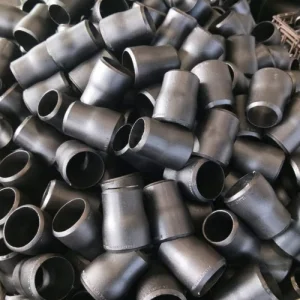
Wholesale Carbon Steel Concentric Reducers SCH STD 6"x4"
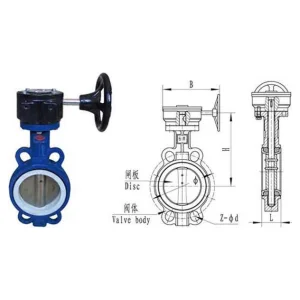
Centerline Butterfly Valves D371X for Istanbul Water Networks
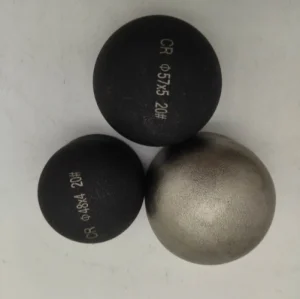
Carbon Steel Butt-Weld Pipe Caps DN15–DN1900
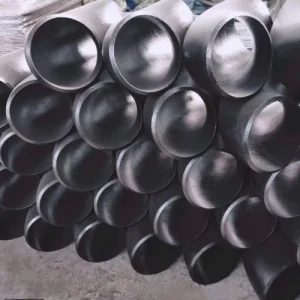
High-Quality Seamless Butt-Weld Pipe Elbows
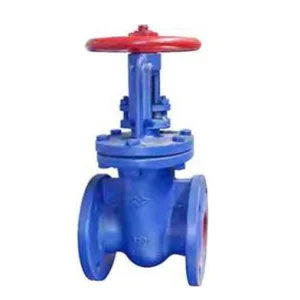
Industrial Wedge Gate Valves PN10/16 for Utility Pipelines
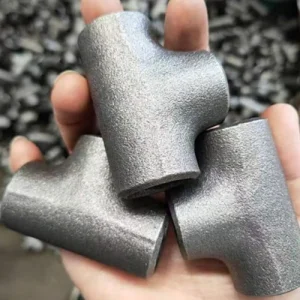
Carbon & Stainless Steel Equal Tees Seamless/Welded
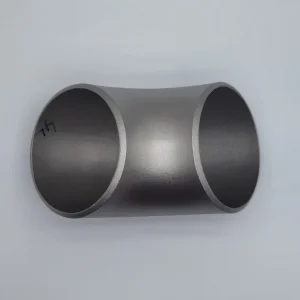
Heavy-Wall Pipe Elbows for Oil, Gas & Power Plants
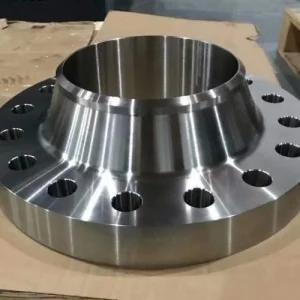
ASME B16.47 Series B WNRF Large Diameter Flanges
Request a Tailored Quote for Your Istanbul Infrastructure Project
Send your material take-off (MTO), product specifications, or standard requirements to receive factory-direct pricing, technical drawings, and consolidated freight estimates.
Send Inquiry Now