
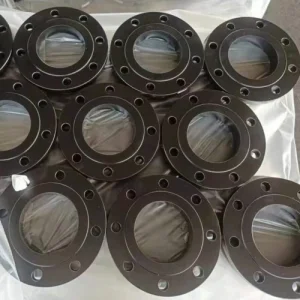
Featured Infrastructure Stock
High-Performance Piping & Valve Hardware in Kenya
Deploying international standard flow control products engineered for extreme pressure, abrasive media, and coastal environmental conditions across Kenyan industrial hubs.
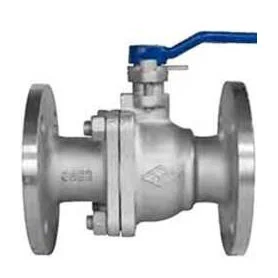
Stainless Steel Ball Valve Q41F-16P/25P for Kenyan Chemical & Processing
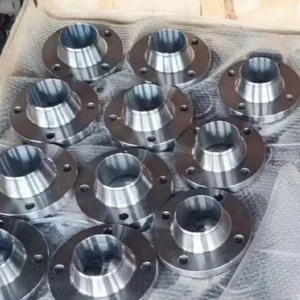
SS304/SS316 Weld Neck Flange (BS/DIN/ANSI) for Rift Valley Geothermal
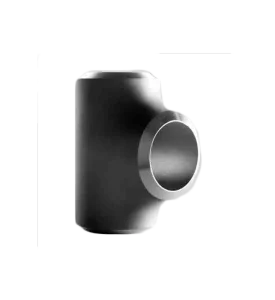
ASTM A234 WPB Seamless Pipe Fitting Tees for Nairobi Municipal Water
Kenya’s Macro-Industrial Transition & Gate Valve Market Demand
Kenya stands as the economic, financial, and logistical epicenter of East Africa. Under the framework of Kenya Vision 2030 and the national industrial development agenda, the demand for heavy-duty flow control equipment—specifically industrial gate valves, resilient-seated isolation valves, and high-pressure flanges—has experienced an unprecedented surge. As infrastructure projects scale across Nairobi, Mombasa, Kisumu, and Eldoret, local engineering procurement contractors (EPCs) require verified supply chains that deliver non-negotiable compliance with ASME B16.34, BS 5163, and ISO 5208 standards.
Industrial gate valves act as critical safety and operational nodes in piping networks. Unlike throttling valves, gate valves provide straight-through fluid paths with minimal pressure drop when fully open. In Kenya's evolving infrastructure, gate valves are vital across five primary sectors:
Geothermal Power Generation
The Rift Valley geothermal complex (Olkaria, Menengai) demands heavy-duty alloy and stainless steel wedge gate valves capable of enduring high-temperature steam, hydrogen sulfide ($H_2S$), and silica-laden geothermal brine at pressures up to Class 1500.
Municipal Water & Sewage
Entities like the Nairobi City Water and Sewerage Company (NCWSC) and Mombasa Water Supply and Sanitation Company rely on resilient-seated gate valves (Z45X series) with EPDM wedges to combat biological fouling and pipeline scaling.
Oil & Gas Logistics
The Kenya Pipeline Company (KPC) midstream networks connecting the Port of Mombasa to Nairobi and Western Kenya require API 6D pipeline gate valves designed for pigging operations and zero-leakage hydrocarbon isolation.
Global Valve Procurement Trends: Total Cost of Ownership (TCO) vs Capital Expenditure
Modern procurement directors in East Africa are shifting away from initial unit purchasing cost toward Total Cost of Ownership (TCO) models. Low-grade gate valves often suffer from stem packing failures, wedge erosion, seat scoring, and premature corrosion—resulting in expensive plant shutdowns and unaccounted water loss in municipal networks.
To mitigate operational risk, international engineering standards dictate strict metallurgical and testing benchmarks. The decision matrix below outlines how modern gate valves are selected for global and regional operations:
| Valve Type & Standard | Material Specification | Pressure Class Range | Sealing Architecture | Primary Kenyan Application |
|---|---|---|---|---|
| Resilient Seated Gate Valve (BS 5163 / DIN 3352) |
Ductile Iron GGG50 / EN-GJS-500-7 | PN10, PN16, PN25 | EPDM / NBR Encapsulated Wedge | Nairobi & Mombasa Municipal Potable Water Systems |
| Cast Steel Wedge Gate Valve (API 600 / ASME B16.34) |
ASTM A216 WCB / WCC Carbon Steel | Class 150 to Class 600 | 13Cr / Stellite Hardfaced Metal Seats | Kenya Pipeline Company (KPC) Fuel Depots & Refineries |
| Forged Steel Gate Valve (API 602 / BS 5352) |
ASTM A105N / A182 F316 | Class 800 to Class 2500 | Integral Hardfaced / Solid Wedge | High-Pressure Steam Drains & Auxiliary Boiler Lines |
| Stainless Steel Gate Valve (ASME B16.34) |
ASTM A351 CF8 / CF8M (304 / 316) | Class 150 to Class 300 / PN40 | PTFE / Flexible Metal-to-Metal Seat | Rift Valley Tea/Sugar Distilleries & Chemical Plants |
Manufacturing Excellence
China Industry 4.0: Modern Valve Manufacturing Synergy
As the primary industrial valve manufacturing cluster in Cangzhou, Hebei, China, our group operations integrate advanced smart factory automation, precision CNC machining, and automated hydrostatic testing lines. For Kenyan engineers and procurement officers, sourcing directly from a vertically integrated manufacturer provides distinct operational advantages.
100%
Hydrostatic & Air Testing
DN4000
Max Flange Capacity
ISO 9001
Certified Quality System
15-25 Days
Port of Mombasa Delivery Lead
1. One-Stop Piping Ecosystem
Instead of procuring valves from one vendor, flanges from another, and fittings from a third, our group manufactures the complete piping package. This eliminates flange bolt-hole misalignment and gasket face mismatches during field installation in Kenya.
2. Traceable Metallurgy & NDT Testing
Every gate valve cast or forging undergoes Positive Material Identification (PMI), Spectrographic Analysis, Ultrasonic Testing (UT), and Magnetic Particle Inspection (MPI). Material Test Reports (MTRs) compliant with EN 10204 3.1 are supplied with every consignment.
3. Cost Efficiency & Logistics Optimization
Through direct ocean freight routes from Tianjin/Qingdao ports to the Port of Mombasa, our logistics team manages container loading optimization, ocean rate hedges, and customs documentation tailored for Kenya Revenue Authority (KRA) clearance.
Localized Application Scenarios across Kenyan Projects
Deploying flow control hardware in East Africa requires an intimate understanding of localized environmental stress factors. Our engineering support team assists local consultants in matching valve specs to field realities:
Scenario A: Naivasha Geothermal Steam Lines
High-velocity dry and wet steam lines require API 600 cast alloy steel (WC6 / WC9) gate valves with Stellite No. 6 hardfaced seats. Stem sealing features flexible graphite packing rings with braided anti-extrusion end rings to prevent steam leakage under continuous cycling.
Scenario B: Coastal Mombasa Desalination & Water Supply
High-salinity coastal environments induce rapid external atmospheric corrosion. We supply ductile iron gate valves coated with electrostatically applied non-toxic epoxy resin (min 250 microns thick) compliant with WRAS / AWWA C550 standards to ensure decades of zero-maintenance operation.
Scenario C: Western Kenya Sugar & Ethanol Processing
Acidic juice lines and distillation columns in Kisumu and Mumias require stainless steel SS304/SS316 gate and ball valves. Non-rising stem designs are prioritized where overhead space is restricted within process buildings.
Complete Piping Equipment
Piping Components & Accessories for East Africa
Browse our extensive inventory of steel pipes, butt-weld fittings, and companion flanges designed to integrate seamlessly with industrial gate valves.
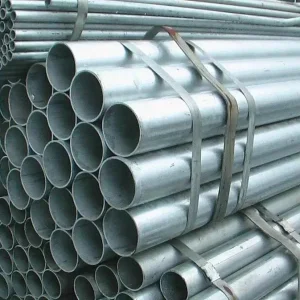
Hot-Dip Galvanized Steel Pipe for Kenya Water & Construction
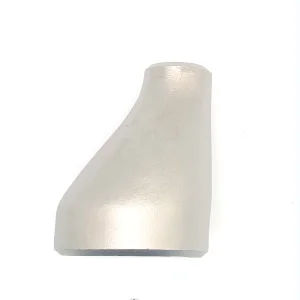
Seamless Butt Weld Eccentric Reducers ASME B16.9 for Refineries
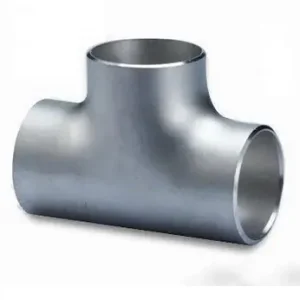
Heavy-Duty Industrial Equal & Reducer Tees for Mombasa Pipelines
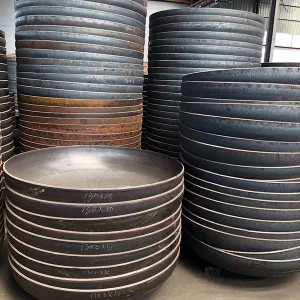
304/316L Sanitary Threaded End Caps for Kenya Food & Pharma
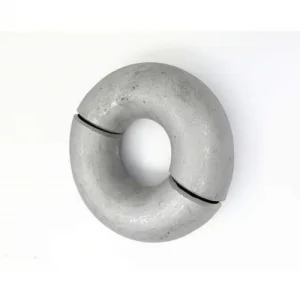
High-Pressure Butt Weld Pipe Fittings for LAPSSET Corridor
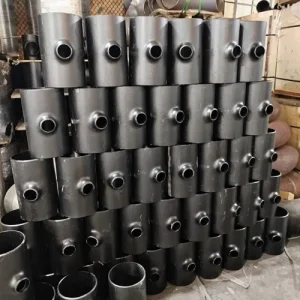
A234 WPB Reducing Tees for Kenya Urban Sanitation Networks
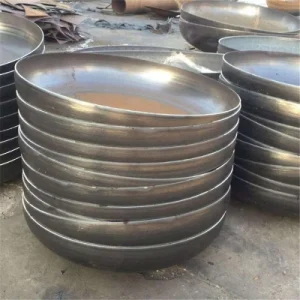
Heavy-Duty Industrial Pipe End Caps for Oil & Gas Storage Terminals
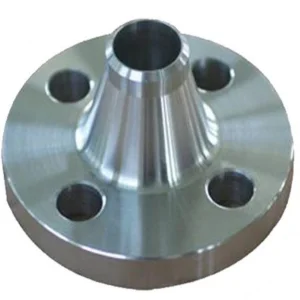
Weld Neck, Slip-On & Blind Flanges for Kenya Port Expansion
Procurement Guidance
Frequently Asked Questions: Industrial Gate Valves in Kenya
Essential technical answers for EPC contractors, project managers, and procurement officers sourcing pipeline equipment in East Africa.
What is the typical shipping sea-freight lead time to Mombasa Port?
Standard manufacturing and container transit from our Cangzhou factories through Tianjin/Qingdao port to Mombasa Port typically takes 22 to 30 days. For urgent project emergencies in Kenya, air-freight arrangements for lighter forged valves or expedited FCL shipments can be scheduled.
How do I select between a Rising Stem (OS&Y) and Non-Rising Stem (NRS) gate valve?
Outside Screw & Yoke (OS&Y) rising stem gate valves are recommended for industrial plants, refineries, and geothermal lines where visual indication of valve position (open/closed) is critical for operator safety. Non-Rising Stem (NRS) valves are ideal for underground water distribution networks and tight spatial layouts in municipal pump stations across Kenya.
Do your gate valves comply with KEBS (Kenya Bureau of Standards) specifications?
Yes. All gate valves, flanges, and fittings exported to Kenya are manufactured in accordance with international standards (BS 5163, ISO 5208, API 600, ASME B16.34) recognized by KEBS. Pre-export Verification of Conformity (PVoC) certification and CoC documentation can be issued through inspection agencies like SGS, Intertek, or Bureau Veritas prior to shipment.
Can you provide customized flange drilling standards (BS EN 1092 vs ASME B16.5)?
Absolutely. We manufacture valve flanged ends to match both European BS EN 1092-2 (PN10/PN16/PN25) patterns common in Kenyan water utility projects and American ASME B16.5 (Class 150/300/600) standards required by energy and refinery sectors.
What quality inspection documentation is provided with the shipment?
Every shipment includes a full Quality Dossier: EN 10204 3.1 Material Test Report (MTR), Hydrostatic Shell and Seat Test Certificates, Non-Destructive Testing (NDT) Reports, Coating Thickness Verification, and Packing List with full heat-number traceability.
Ready to Quote Your Pipeline Package for Kenya?
Submit your technical material take-off (MTO) or project specification list. Our senior technical sales engineers will deliver a competitive factory-direct proposal within 24 hours.
Send Inquiry Now