
High-Integrity Piping Solutions for Melbourne & Global Projects
Engineered for extreme pressure, thermal stress, and aggressive fluid dynamics in municipal and industrial projects.
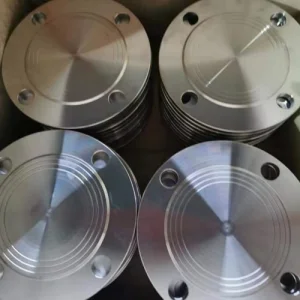
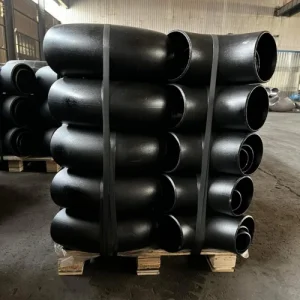
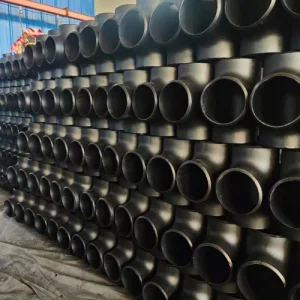
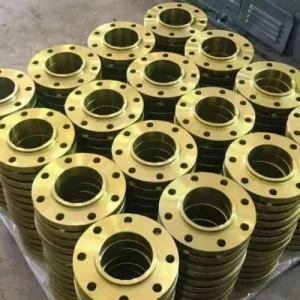
The State of Industrial Pipe Bends in Melbourne & Victoria’s Infrastructure Boom
Melbourne, as Victoria's economic engine and manufacturing nucleus, is currently undergoing one of the largest infrastructure expansion cycles in the Southern Hemisphere. Projects such as the West Gate Tunnel, Suburban Rail Loop, Port of Melbourne Modernization, and regional water treatment upgrades demand unprecedented volumes of high-performance piping components. Among these components, induction bends (3D, 5D, 6D, and 10D radii) serve as the critical circulatory system for fluid transport, steam distribution, gas transmission, and structural piling.
Unlike standard short-radius or long-radius elbows (1D or 1.5D), engineered pipe bends provide smooth direction changes that significantly attenuate turbulence, reduce pressure drop, minimize wall erosion caused by abrasive slurries, and allow the unobstructed passage of intelligent inline inspection tools (piggability). For Melbourne’s leading engineering procurement contractors (EPCs), sourcing high-integrity pipe bends that conform to ASME B16.49, ISO 15590-1, and Australian standard AS/NZS 2885 is paramount to ensuring project longevity and operational safety.
Key Takeaway for Melbourne Engineering Buyers
While domestic stockists in Victoria provide fast off-the-shelf access for standard carbon steel fittings, custom large-diameter (DN300 to DN1400) heavy-wall induction bends often present multi-month local lead times and prohibitive cost markups. Partnering directly with tier-1 Chinese manufacturers like Cangrun Pipeline Equipment bridges the gap—offering direct mill pricing, specialized heat treatment, fully traceable material test reports (MTC EN 10204 3.1/3.2), and rapid ocean freight directly into the Port of Melbourne.
Metallurgical Precision: High-Frequency Induction Bending Engineering
In high-pressure infrastructure, selecting between cold bending, mandrel bending, and High-Frequency Induction Heat Bending determines the structural reliability of the piping loop. High-frequency induction bending represents the pinnacle of modern thermo-mechanical processing for heavy-wall steel pipes.
During the induction bending process, a narrow circumferential band of the steel pipe is heated via an induction coil to its microstructural austenitizing temperature (typically between 850°C and 1020°C depending on carbon or alloy content). As a hydraulic ram pushes the pipe through the coil at a continuously controlled speed, a pivoting arm dictates the bending radius (e.g., 3D, 5D, 8D). Immediately upon exiting the heating zone, the bent pipe section is quenched using forced water sprays or ambient air cooling.
| Bending Characteristic | Cold Bending (Standard Machine) | High-Frequency Induction Bending (Cangrun Tech) |
|---|---|---|
| Outer Diameter (OD) Range | Up to 12 inches (DN300) | 1/2 inch up to 60 inches (DN15 to DN1500) |
| Wall Thinning Rate (Extrados) | High (15% - 25% attenuation) | Strictly controlled (< 8% - 10% under ASME B16.49) |
| Ovality / Out-of-Roundness | Noticeable distortion, requires repressing | Precision controlled (< 3% across bend arc) |
| Residual Tensile Stress | Severe internal stress, prone to SCC | Relieved via integrated Post-Bend Heat Treatment (PBHT) |
| Material Suitability | Low carbon ductile steels only | API 5L X70/X80, ASTM A335 P91/P22, Duplex 2205, 316L |
Metallurgical Post-Bend Heat Treatment (PBHT)
A critical limitation of uncertified bend suppliers is the failure to execute proper post-bending heat treatment. At Cangrun Pipeline Equipment, every alloy and high-yield carbon steel bend undergoes rigorous thermal treatment cycles inside automated furnace lines:
- Normalizing (880°C - 920°C): Refines coarse grains developed during high-temperature bending, restoring uniform impact toughness.
- Stress Relieving (600°C - 650°C): Eliminates residual circumferential and longitudinal stresses, essential for pipelines exposed to cyclic thermal expansion or sour gas environments.
- Quenching & Tempering (Q&T): Utilized for high-strength line pipes (API 5L X65, X70) to achieve optimal balance between yield strength and sub-zero Charpy V-notch impact toughness.
The Cangzhou Industrial Ecosystem: Unmatched Efficiency & Procurement Value
Located in Cangzhou, Hebei Province—the internationally recognized center for steel pipe fitting manufacturing—our production base operates under integrated vertical manufacturing. With three specialized group plants (including Cangzhou Feiwo Metal Products Co., Ltd. and Cangzhou Feixiang Metal Products Co., Ltd.), we deliver structural and economic advantages for international buyers in Melbourne:
Direct Steel Mill Alliances
Direct procurement of raw seamless pipes and heavy plates from top-tier mills (Baosteel, TPCO, Shougang) guarantees chem/mech integrity from the melt source.
Advanced Bending Capacities
Equipped with 1600-Ton hydraulic pushers and automated 3D induction bending units capable of bending walls up to 150mm thick with zero micro-cracking.
25% - 40% Procurement Savings
Streamlined automation and industrial cluster dynamics allow Melbourne EPCs to significantly optimize landed costs compared to local reseller markups.
Need Project-Specific Pipe Bends or Flanges in Melbourne?
Our engineering team can evaluate your isometric drawings, material schedules, and wall-thickness tolerances within 24 hours.
Send Inquiry NowLocalized Application Scenarios across Victoria & Greater Melbourne
The industrial landscape of Melbourne demands specialized piping components tailored to unique coastal microclimates, geological conditions, and municipal regulations. Below are primary sectors in Victoria utilizing our factory-direct pipe bends and fittings:
1. Urban Water Utility & Wastewater Treatment Expansion
Agencies such as Greater Western Water, Yarra Valley Water, and South East Water continuously upgrade water trunk mains across Melbourne. Large-radius induction bends (5D and 6D) in carbon steel lined with cement mortar or coated with Fusion-Bonded Epoxy (FBE) are widely deployed to navigate underground urban obstacles while maintaining optimal pressure head in drinking water and recycled water networks.
2. Thermal Energy & High-Pressure Steam Piping
Industrial processing facilities located in Altona, Dandenong, and Laverton North rely on high-temperature steam distribution lines. Bends manufactured from ASTM A335 Grade P11 / P22 / P91 alloy steel are essential to withstand severe creep deformation and thermal fatigue under continuous superheated steam conditions operating above 500°C.
3. Marine Terminals & Offshore Coastal Infrastructure
With Port Phillip Bay exposing port infrastructure to harsh marine atmospheric corrosion (C5-M rating under ISO 12944), piping networks at the Port of Melbourne and Hastings require ASTM A403 WP316/316L Stainless Steel bends or Duplex 2205 induction bends. These components deliver superior pitting resistance (PREN > 34) against saltwater spray and brackish cooling water.
4. Regional Mining Slurry & Bulk Materials Handling
Victoria’s mining operations in regional zones require heavy-wall abrasion-resistant pipe bends (such as API 5L X65 with 3D/5D radius) to transport coarse minerals and tailings slurries. Smooth bend geometries drastically reduce localized erosion at direction changes, extending component service life threefold compared to standard mitered elbows.
Future Trends: Hydrogen-Ready Pipelines & Zero-Carbon Bending Tech
As Australia accelerates its National Hydrogen Strategy and Victoria transitions toward net-zero greenhouse gas emissions, pipeline engineering standards are evolving rapidly. Future-proofing piping infrastructure requires embracing three core technological shifts:
1. Hydrogen Embrittlement Resistance
Blending up to 20% hydrogen into existing natural gas grids demands pipe bends tested for Hydrogen-Induced Cracking (HIC) and Sulfide Stress Corrosion Cracking (SSCC) under NACE TM0284 / TM0177 standards. Our ultra-low sulfur (< 0.002%) clean steel bends ensure maximum resistance to atomic hydrogen entrapment.
2. Smart Digital Twin Wall-Thinning Control
Leveraging finite element simulation (FEA), our induction bending lines calculate extrados wall thinning prior to heating. This allows us to select starting raw pipes with optimized initial wall thickness, ensuring final bent products meet exact ASME B31.3 wall requirements without excess weight.
3. Green Steel & EPD Environmental Traceability
Global buyers increasingly require Environmental Product Declarations (EPD). Cangrun Pipe utilizes energy-efficient electric induction coils powered by low-carbon energy grids, minimizing the embodied carbon footprint of every bend shipped to Australia.
Global Procurement Integrity: Inspection, Certification & Packaging
To guarantee complete compliance with Australian safety regulations and project specifications, Cangrun Pipeline Equipment enforces an uncompromised 7-stage Quality Assurance & Quality Control (QA/QC) program:
Non-Destructive Testing (NDT) Suite
- Ultrasonic Testing (UT): 100% volumetric wall thickness and internal defect check along the bend arc.
- Radiographic Testing (RT): Critical inspection for welded pipe bends (ASME B16.49 Class 2).
- Magnetic Particle Testing (MT) & Liquid Penetrant (PT): Surface flaw detection on extrados curvature and weld bevels.
- Hardness Testing: Ensures post-bend heat treatment maintains hardness values below 235 HBW (NACE MR0175 compliance).
Export Packaging & Ocean Logistics
- Bevel Protection: Plastic end caps or metal bevel protectors to shield weld preps during sea transit.
- Anti-Corrosion Surface Coating: Black varnish, rust-preventative oil, FBE, or 3LPE external coating.
- Seaworthy Fumigated Crating: Heavy-duty steel-framed wooden crates or hardwood saddles braced for container/breakbulk shipping directly to Port of Melbourne.
- Documentation: Full MTC EN 10204 3.1 or independent 3.2 certification co-signed by SGS / TÜV / Lloyd's Register.
Technical & Procurement FAQ for Melbourne Buyers
Get immediate answers regarding engineering standards, custom radii, testing, and Australian delivery logistics.
What is the difference between a pipe elbow and an induction pipe bend?
Can Cangrun supply pipe bends compliant with Australian Standard AS/NZS 2885 & AS 4041?
What bending radii and angles are available for custom project orders?
How do you control wall thinning on the outer curve (extrados) of heavy bends?
What is the typical transit lead time from your factory to the Port of Melbourne?
Are third-party inspections (TPI) accepted prior to dispatch?
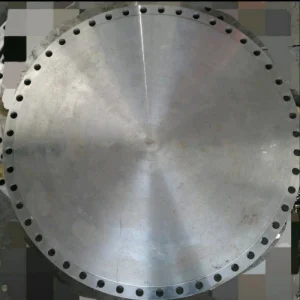
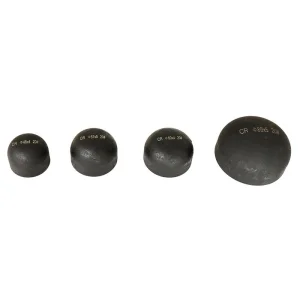
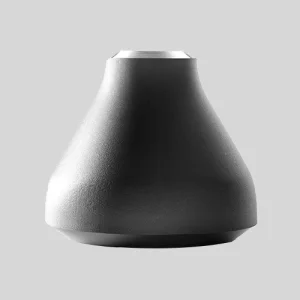
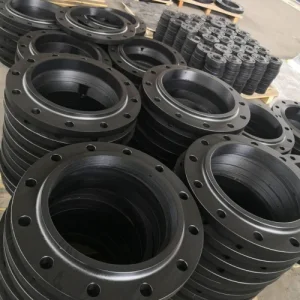
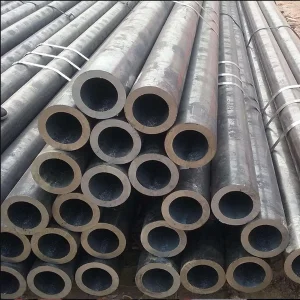
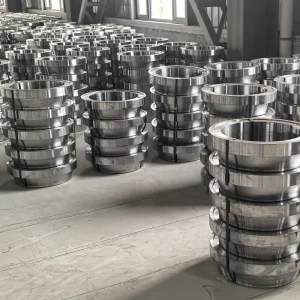
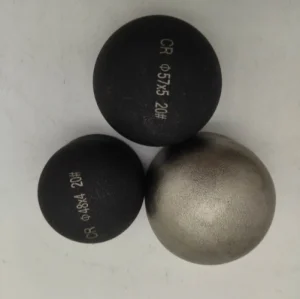
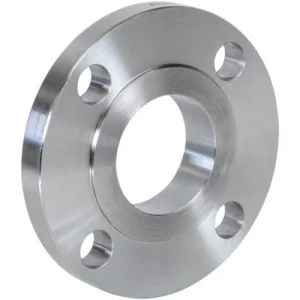
Explore Additional High-Performance Pipeline Fittings & Flanges
Engineered to match your bend orders for seamless field welding and unified material traceability.
Partner with China's Premier Bends & Flanges Manufacturer
Send us your material take-off (MTO) or project specifications today. Our engineering team will prepare a technical compliance offer with factory-direct pricing for Melbourne delivery.
Send Inquiry Now