
Featured NY Infrastructure Components
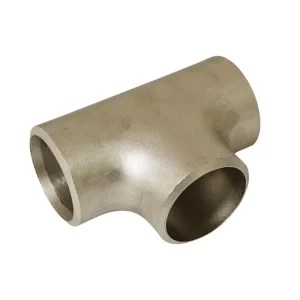
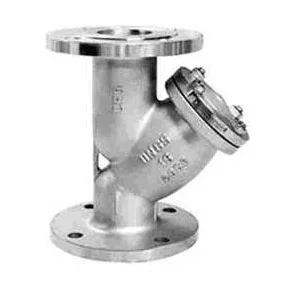
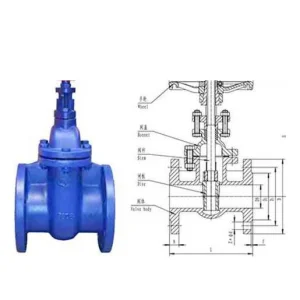
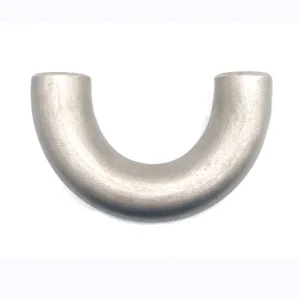
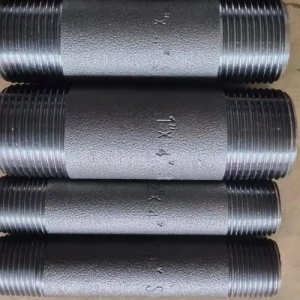
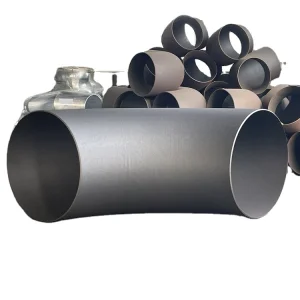
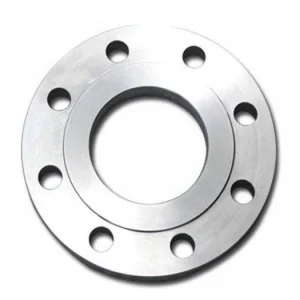
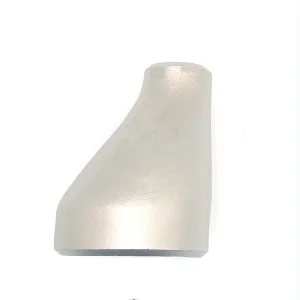
Direct factory-supplied piping materials fully compliant with ASTM, ASME, and NYSDOT standards for immediate dispatch to New York metropolitan project sites.
Global & Macro Industrial Status of ERW Steel Pipe Manufacturing
Electric Resistance Welded (ERW) steel pipe technology has undergone a monumental shift over the past two decades. Modern manufacturing has moved far beyond low-frequency welding processes toward ultra-precise High-Frequency Induction (HFI) welding operating at frequencies up to 450 kHz. This metallurgical leap eliminates the historic vulnerability of weld seams, producing pipes with seam toughness matching the parent metal.
Globally, the demand for ERW carbon and stainless steel pipes is driven by massive modernization initiatives across transportation, energy transmission, and urban load-bearing structures. In comparison to seamless steel pipes, high-grade ERW pipes deliver unmatched wall thickness uniformity, superior concentricity, tighter dimensional tolerances, and significantly lower production lead times. As global steel producers adopt continuous thermomechanical controlled processing (TMCP) coils, ERW steel pipes are replacing seamless alternatives in medium-to-high pressure applications up to API 5L X70 standards.
Precision Weld-Seam Normalization
All structural and line pipes undergo full-body or weld-seam post-weld heat treatment (PWHT). High-frequency induction heating normalizes the Heat-Affected Zone (HAZ), restoring grain structure and guaranteeing Charpy V-notch impact toughness under freezing climatic conditions.
New York Local Infrastructure & Commercial Market Landscape
The New York metropolitan area—spanning New York City (Manhattan, Brooklyn, Queens, Bronx, Staten Island), Long Island, the Hudson Valley, and Northern New Jersey—represents one of the most demanding civil engineering markets globally. Driven by the Metropolitan Transportation Authority (MTA) Capital Program, the Department of Environmental Protection (DEP) water system upgrades, and major commercial developments along the Hudson and East Rivers, demand for certified structural steel casing and utility piping has reached historical highs.
Coastal & Estuary Corrosion Challenges
NYC's coastal environment presents severe saline corrosion challenges. Sub-surface infrastructure in Lower Manhattan and Brooklyn Navy Yard requires ERW pipes with custom coal-tar enamel, fusion-bonded epoxy (FBE), or heavy hot-dip galvanizing to resist aggressive marine soils and brackish groundwater intrusion.
Strict Urban Vibrational & Load Demands
Structural micro-piling for high-rise foundations in Midtown Manhattan must endure extreme axial loads while resisting dynamic vibrations from adjacent subway tunnels. High-yield ERW steel casing pipes (ASTM A252 Grade 3 / ASTM A500) provide the required strength-to-weight ratio for congested urban drilling sites.
Technical Specification Matrix & Manufacturing Assurance
Every length of ERW steel pipe dispatched to the New York market leaves our facilities with full traceability under strict ISO 9001 quality management systems.
Localized Application Scenarios Across NY Sub-Markets
Engineering field deployments require customized manufacturing tolerances tailored to specific geographic and structural environments:
1. Manhattan Commercial High-Rise Micro-Piling
In crowded Midtown footprint sites, bedrock depths vary dramatically. Heavy-wall ERW steel casing pipes are driven directly to bedrock using high-torque rotodrill systems. Precision beveling allows seamless field welding of additional joints in restricted headroom zones.
2. District Energy Steam Loop Extensions
Operating under Manhattan streets, district steam systems experience extreme thermal cycling up to 350°F. ASTM A53 Grade B ERW pipes with 100% seam ultrasonic testing ensure total structural integrity under thermal expansion stress.
3. Port & Marine Bulkhead Protection
At Red Hook Terminal and Port Newark, steel ERW pipe piles are integrated into sea-wall bulkheads. Enhanced wall thickness allowances and zinc-rich epoxy coatings safeguard the steel against salt-fog erosion and splash-zone damage.
Technology Roadmap: Green Steel & Smart Manufacturing
As the New York State Climate Leadership and Community Protection Act (CLCPA) pushes contractors toward lower embodied-carbon construction materials, our factory partner network is actively pioneering sustainable ERW pipe manufacturing technology:
EAF Steel Sourcing
Transitioning from traditional Blast Furnace coils to Electric Arc Furnace (EAF) melted steel coils made from up to 85% recycled steel scrap, cutting embodied carbon footprint by up to 60%.
AI Real-Time Seam Tracking
Integration of high-speed vision lasers and machine-learning algorithms to control welding temperature and squeeze-roll pressure in real-time, eliminating micro-defects during high-speed forming.
Zero-VOC Internal Linings
Application of 100% solids epoxy internal linings for municipal potable water service, preventing lead/heavy metal leaching while providing friction-free hydrodynamic flow.
Complete Piping Package Solutions
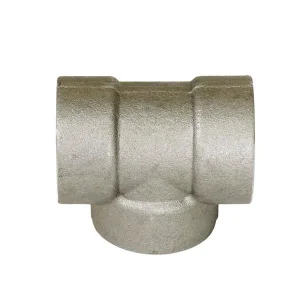
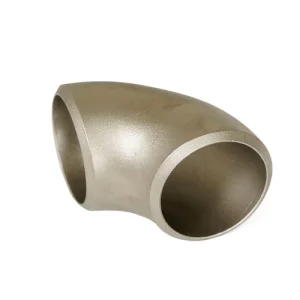
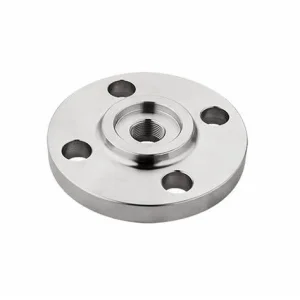
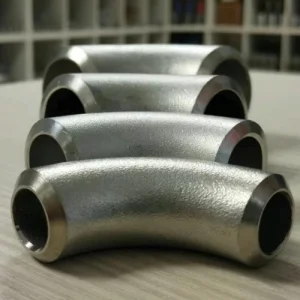
Explore our comprehensive array of structural tees, heavy-duty flanges, forged fittings, and industrial valves engineered to complement ERW piping systems.
Frequently Asked Questions (NY Procurement Guide)
Essential technical and logistical answers for structural engineers, general contractors, and purchasing agents in the NY tristate region.
Ready to Source ERW Steel Pipe for Your New York Project?
Contact our technical sales team today for mill-direct pricing, custom wall thickness schedules, protective coating specifications, and project take-off consultations.
Send Inquiry Now