Primary ERW Pipe Systems & Engineered Components
Fully compliant with ASTM, ASME, API 5L, and Ghana Standards Authority (GSA) guidelines for industrial deployment.
Strategic Assessment of Ghana's Industrial Tubular Steel Demand
As Ghana solidifies its position as a West African economic powerhouse through the expansion of the Tema Port, accelerated offshore oil exploration in the Tano Basin, and intensified gold processing in the Ashanti Belt, the demand for high-integrity Electric Resistance Welded (ERW) steel pipes has escalated exponentially.
This whitepaper evaluates the structural, metallurgical, and economic variables governing the procurement and deployment of ERW steel pipes in Ghana. By integrating advanced High-Frequency Induction (HFI) welding, stringent API 5L line pipe standards, and localized anticorrosion treatments (such as 3LPE and FBE), international exporters provide vital structural scaffolding for Ghana’s macro-industrial roadmap.
Macroeconomic Landscape & Steel Consumption Drivers in Ghana
Ghana's industrial trajectory under the One District, One Factory (1D1F) initiative and the operationalization of the African Continental Free Trade Area (AfCFTA) secretariat in Accra have catalyzed unprecedented structural transformation. The steel market in West Africa, historically reliant on basic commercial-grade rebar, is witnessing a structural shift toward high-precision tubular products, specifically ERW steel pipes engineered for fluid transmission, structural piling, and mechanical conveyance.
Mining & Mineral Extraction
The gold, bauxite, and manganese extraction hubs across Tarkwa, Obuasi, and Prestea require heavy-wall ERW steel pipes capable of resisting severe abrasive slurry transport and acidic mine drainage (AMD) pressures exceeding 4.0 MPa.
Oil & Gas Infrastructure
Midstream connections linking the West Africa Gas Pipeline (WAGP) terminal at Takoradi to thermal power plants in Aboadze demand API 5L PSL2 compliant ERW line pipes to ensure zero-leakage methane transmission.
Municipal Water Infrastructure
Ghana Water Company Limited (GWCL) capital expansion projects across Greater Accra, Kumasi, and Tamale utilize large-diameter ERW carbon steel pipes with internal cement mortar lining for bulk potable water transport.
Metallurgical Standards & High-Frequency Weld Engineering
Electric Resistance Welded (ERW) steel pipes manufactured for export to Ghana undergo high-frequency induction (HFI) welding processes. Modern HFI manufacturing utilizes continuous hot-rolled steel strip, cold-formed into a cylindrical shape, where high-frequency electric current (typically 300 to 500 kHz) heats the strip edges without adding filler metal.
Weld Seam Annealing & Grain Structure Optimization
A critical quality metric evaluated by Ghanaian engineering consultants is post-weld heat treatment (PWHT). Immediately following the squeeze roll forge welding, the seam line passes through full-body or seam-in-line induction annealing at temperatures between 880°C and 950°C. This eliminates brittle martensitic microstructures in the heat-affected zone (HAZ), restoring normalized ferrite-pearlite grain alignment equal to the parent steel body.
This heat treatment ensures that ERW pipes exhibit high impact toughness (Charpy V-notch values ≥ 45 Joules at 0°C), making them resilient against hydraulic water hammer and ground motion during seasonal shifts in Ghana's coastal soil strata.
Anticorrosion Systems for Tropical Saline Environments
Ghana's coastal belt (specifically Tema, Accra, and Cape Coast) features elevated relative humidity (80-90%) combined with severe marine atmospheric salinity. Standard carbon steel corrodes at rates exceeding 0.12 mm/year under unmitigated exposure. Overseas exporters provide multi-layer protective systems:
- 3LPE (Three-Layer Polyethylene): Epoxy primer layer (100 µm) + Copolymer adhesive (250 µm) + High-density outer polyethylene shield (2.5 - 3.7 mm). Ideal for underground pipelines across saline coastal soils.
- FBE (Fusion Bonded Epoxy): Thermosetting epoxy resin applied electrostatically at 200°C. Exceptional chemical resistance for petroleum installations in Takoradi.
- HDG (Hot-Dip Galvanizing): Zinc coating thickness up to 85 µm (610 g/m²) adhering to BS EN ISO 1461 standards, preventing atmospheric oxidation in structural applications.
Technical Matrix: ERW vs. LSAW vs. Seamless Steel Pipes
Selecting the optimal tubular product for Ghanaian engineering specifications requires evaluating dimensional tolerances, pressure thresholds, and unit economics.
| Parameter | ERW Steel Pipe (HFI) | LSAW Steel Pipe | Seamless Steel Pipe |
|---|---|---|---|
| Size Range (Outer Diameter) | 21.3 mm – 610 mm (1/2" to 24") | 406 mm – 1422 mm (16" to 56") | 10.3 mm – 711 mm (1/8" to 28") |
| Wall Thickness Uniformity | Exceptional (Cold-formed from precision strip) | High (Formed from heavy plate) | Moderate (Extrusion variation ±10%) |
| Yield Strength Range | 245 MPa (Gr. B) to 555 MPa (X80) | 245 MPa to 555 MPa (X80) | 245 MPa to 485 MPa (X70) |
| Dimensional Tolerance | Strict (OD ±0.5%, Wall ±5%) | Standard (OD ±0.75%, Wall ±7.5%) | Variable (OD ±1%, Wall ±12.5%) |
| Primary Ghanaian Application | Water distribution, Structural, Gas main lines | High-pressure trunk pipelines, Off-shore pilings | Refinery process piping, High-temp boilers |
| Relative Cost Efficiency | Highest (Cost-effective per meter) | Moderate to High | Premium Price Point |
Localized Application Scenarios Across Ghana's Economic Corridors
Exporters must tailor their product specifications to match the geological and mechanical dynamics of specific Ghanaian projects.
1. Greater Accra & Tema Port Zone
Scenario: Deep-foundation structural piling and harbor expansion.
Specification: ASTM A252 Grade 3 ERW Steel Pipes (OD 406mm to 610mm, WT 12.7mm). Used as load-bearing friction piles driven into marine clay layers to support container terminal quay structures and heavy machinery yards.
2. Ashanti & Western Gold Belts
Scenario: High-pressure mine dewatering & slurry conveyance in Obuasi and Tarkwa.
Specification: API 5L PSL1 X52 ERW Pipes with internal polyurethane lining. Resists aggressive mechanical abrasion from quartzite-laden ore slurry and prevents chemical degradation from ambient cyanide solution washouts.
3. Northern Savannah Agricultural Grid
Scenario: Solar-powered bulk water irrigation channels around Tamale and Wa.
Specification: BS EN 10219 S275J2H / S355NH Galvanized ERW Structural Tubes. Engineered to withstand intense UV exposure and extreme ambient thermal expansion cycles without structural distortion.
Regulatory Assurance & Ghana Standards Authority (GSA) Compliance
Navigating trade channels into Ghana requires absolute alignment with local import regulations and mandatory inspection protocols. Steel products clearing customs via the Integrated Customs Management System (ICUMS) at Tema Port must satisfy rigorous quality parameters.
Leading exporters maintain accredited quality management systems fully certified under ISO 9001:2015, ISO 14001, and ISO 45001. Every dispatch batch is accompanied by comprehensive documentation:
- EN 10204 Type 3.1 / 3.2 Mill Test Certificates (MTC): Detailing chemical heat analysis (C, Mn, Si, P, S, Cr, Ni, Mo, V contents) and carbon equivalent (CEV) values.
- Hydrostatic Testing Verification: 100% factory hydro-testing at holding pressures held for minimum 10 seconds per API 5L specifications.
- Third-Party Pre-Shipment Inspections: Independent audit reports issued by SGS, Bureau Veritas (BV), or Intertek validating wall thickness tolerances, yield strength, and coating adhesion.
Compliance Checklist for Ghanaian EPC Imports
Technology Roadmap & Future Outlook (2025–2035)
The next decade will redefine tubular steel manufacturing and pipeline monitoring across West Africa. As international exporters collaborate with local Ghanaian engineering firms, three key technological transitions are taking shape:
1. Green Steel Manufacturing
Transitioning to Electric Arc Furnace (EAF) steelmaking powered by renewable energy lowers the embodied carbon footprint of ERW pipes by over 60%, aligning with international carbon-neutral mandates for major energy infrastructure projects in West Africa.
2. Real-Time NDT Ultrasonic Telemetry
Next-generation HFI ERW mills integrate automated multi-channel phased array ultrasonic testing (PAUT) along the weld line during high-speed production. Defects smaller than 0.2 mm are instantly flagged and cut out digitally.
3. Smart Pipeline Telemetry Integration
Export pipes engineered with embedded fiber-optic sensing cables within the 3LPE coating allow continuous real-time monitoring of strain, temperature, and corrosion degradation across remote pipeline routes between Tema and Akosombo.
Frequently Asked Questions (FAQ)
Expert technical and commercial answers addressing common engineering inquiries in Ghana.
Complementary Pipeline Fittings & Valves Grid
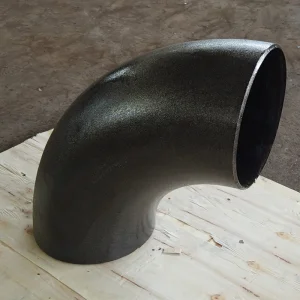
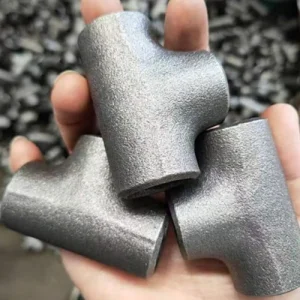
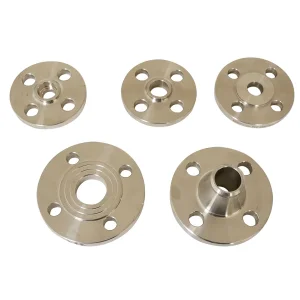
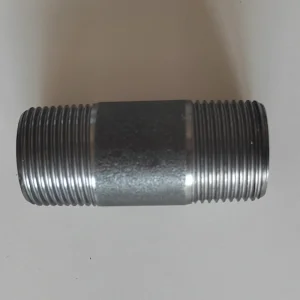
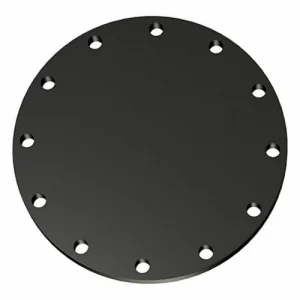
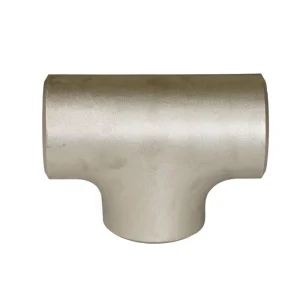
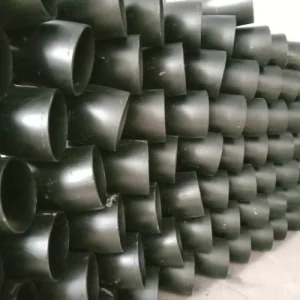
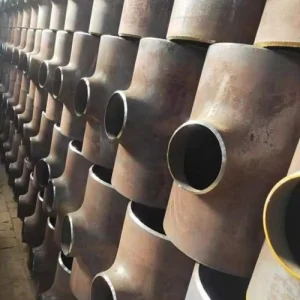
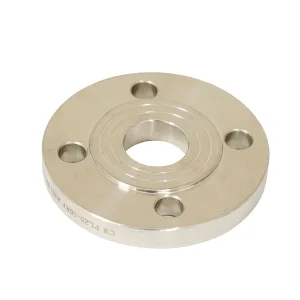
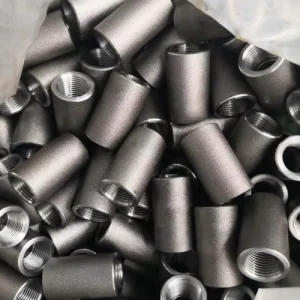
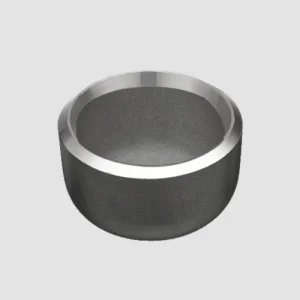
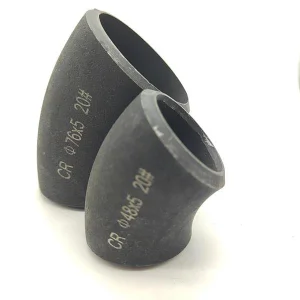
Select matched components certified for integration with ERW piping packages across West Africa.