
Featured Industrial Pipe Fittings & Components (Catalog 1-8)
Explore our precision-engineered carbon steel, stainless steel, and alloy fittings certified for heavy-duty commercial roof drainage and high-pressure fluid conveyance.
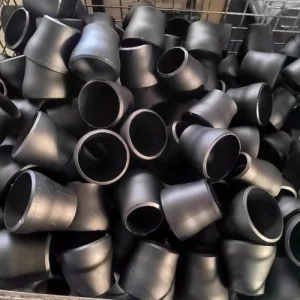
Discount Carbon Steel A234WPB Concentric Reducer Seamless Carbon Steel Pipe Fitting Supplier, Exporters
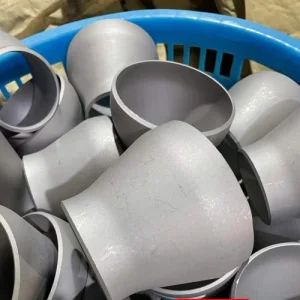
Wholesale Butt Weld Pipe Fitting Stainless Steel SS304 Concentric Reducer SCH10 Exporters, Companies
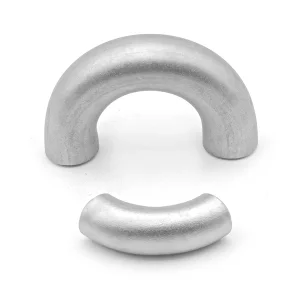
China Pipe Fittings Bend Seamless Butt Welded B/W 90 Degrees Elbows Factories, Companies
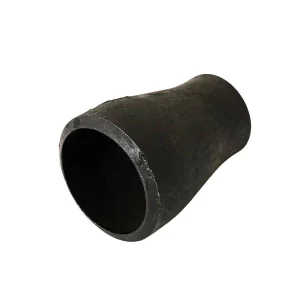
Best ASME B16.9 Carbon Black Stainless Steel Connector Eccentric Butt Weld Pipe Fitting Reducer Manufacturers, Exporters
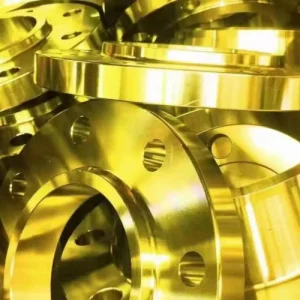
China A105 Carbon Steel Flanges Manufacturers, Supplier
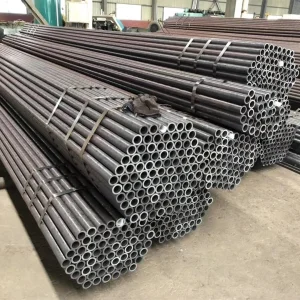
Discount Industrial Seamless Steel Pipe Factory, Company
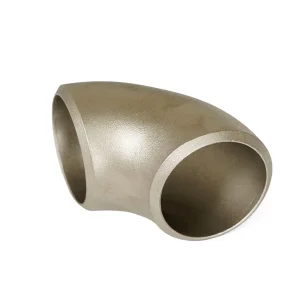
Wholesale ASME 304 Stainless Steel Welded Pipe Fittings Elbow Manufacturer, Pricelist
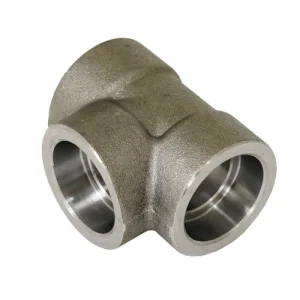
Famous Forged Fittings Socket Weld Fittings Coupling Elbow Tee Manufacturers, Pricelist
Industry Evolution: The Structural Shift in Roof Drainage Piping
Analyzing modern building hydrology, climate-induced rainfall volatility, and the technological advancement from gravity-fed storm lines to engineered siphonic roof drain systems.
Climate Volatility & Hydraulic Load Limits
Commercial roof structures across North America, Europe, and Asia-Pacific face unprecedented meteorological challenges. Industrial facilities, logistics hubs, and airport terminals must withstand intense microbursts and extreme rainfall intensities exceeding 150 mm/hr. Standard gravity drainage systems often fail under rapid hydrostatic pressure spikes, causing roof ponding, structural fatigue, and disastrous water ingress. High-capacity carbon steel (ASTM A234 WPB) and stainless steel (SS304/SS316) roof drain piping systems engineered by specialized manufacturers provide the necessary yield strength (exceeding 240 MPa) to safely convey immense volumetric flow under negative hydraulic pressures.
Siphonic vs. Gravity Hydrodynamics
Traditional gravity drainage relies on air-water mixtures flowing down sloped piping networks, necessitating large pipe diameters and extensive pitch profiles. Modern industrial facilities overwhelmingly specify engineered siphonic roof drainage networks. Siphonic roof drain bowls restrict air entry using anti-vortex baffles, causing the downpipe system to prime rapidly and fill 100% full of water. This creates a powerful suction effect (negative hydraulic head) that accelerates water transport at velocities exceeding 6 m/s. Transitioning to siphonic piping allows project engineers to specify smaller pipe diameters, eliminate horizontal sloped runs, reduce underground civil trenching expenses, and optimize interior ceiling clearance.
Material Engineering & Metallurgical Selection
Selection of materials for roof drain pipes and matching pipe fittings (concentric reducers, 90-degree long-radius elbows, equal tees, and weld neck flanges) depends strictly on local environmental corrosivity, thermal movement requirements, and building height. Seamless carbon steel pipes (ASTM A53 / A106 Grade B) combined with butt-welded ASTM A234 WPB fittings offer unrivaled tensile performance for high-rise commercial towers. Conversely, industrial chemical plants, offshore terminals, and coastal distribution centers demand austenitic stainless steel grades (ASTM A403 WP304/WP316L) to eliminate pitting corrosion caused by atmospheric salt spray or aggressive industrial emissions.
Engineering Information Gain: Negative Hydrostatic Pressure Management
In high-velocity siphonic roof drainage systems, internal pressures can drop as low as -0.8 bar (-80 kPa). Thin-walled PVC or low-grade plastic piping will implode under continuous dynamic cyclic fatigue. Metallic piping systems (carbon steel schedule 40/std and stainless steel SCH10/SCH40) exhibit high structural stiffness, preventing pipe wall buckling, joint separation, and acoustic resonance during sudden hydraulic priming cycles.
Global Enterprise Sourcing Intent & Sourcing Demands
Deconstructing the purchasing decisions of EPC contractors, MEP consultants, commercial developers, and industrial pipeline distributors worldwide.
1. Direct Manufacturer Sourcing vs. Intermediary Trading
Institutional buyers and global EPC firms actively bypass localized brokers to connect directly with premier Chinese pipeline equipment manufacturing hubs (such as Cangzhou, Hebei). Purchasing direct yields substantial procurement cost advantages—typically 22% to 38% unit cost savings on volume orders of butt-weld elbows, reducers, plate flanges, and seamless steel pipes. Direct factory partnership also ensures full material traceability back to the steel mill billet, accompanied by EN 10204 3.1 Inspection Certificates.
- Direct pricing structures with tier-volume discounts
- Elimination of middleman markup and hidden agency fees
- Direct engineering collaboration for custom wall schedules
2. B2B Commercial Quotes & Cost Structure Factors
When requesting wholesale roof drain pipe quotes, engineering buyers evaluate comprehensive Total Cost of Ownership (TCO) metrics rather than base FOB unit price alone. Key variables influencing commercial quotes include metallurgical raw material indices (London Metal Exchange carbon/nickel spot prices), dimensional wall schedules (SCH10S up to XXS), specialized beveling/end preparation (ASME B16.25), anti-corrosive surface treatments (black varnish, hot-dip galvanizing, FBE epoxy coating), and export seaworthy packaging protocols.
- Raw material surcharge elasticity tracking
- Custom beveling and end-prep machining per project spec
- Optimized containerization and maritime freight consolidation
3. Supply Chain Resilience & Multi-Plant Manufacturing
Global supply chain disruptions, port congestions, and regional trade tariffs require buyers to partner with industrial groups possessing redundant production capacity. Leading pipeline enterprises utilize integrated multi-factory operations (e.g., Cangrun Pipeline Equipment with specialized subsidiaries like Cangzhou Feiwo Metal Products and Cangzhou Feixiang Metal Products). This multi-plant ecosystem ensures seamless load-balancing, rapid lead-time execution, and uninterrupted delivery for mega-infrastructure projects.
- Integrated production across multiple specialized facilities
- Dedicated export logistics management for global port routing
- Buffer stock reserves for high-demand fittings and pipes
| Material Grade | Standard Ref. | Yield Strength (MPa) | Tensile Strength (MPa) | Primary Industrial Application |
|---|---|---|---|---|
| ASTM A234 Grade WPB | ASME B16.9 / B16.28 | ≥ 240 | 415 - 585 | High-capacity commercial roof drains, storm risers, heating networks |
| ASTM A403 WP304 / 304L | ASME B16.9 / MSS SP-43 | ≥ 205 | ≥ 515 | Coastal infrastructure, food processing roofs, corrosive process areas |
| ASTM A403 WP316 / 316L | ASME B16.9 / MSS SP-43 | ≥ 240 | ≥ 550 | Marine storm systems, chemical plants, aggressive saline environments |
| ASTM A105 Forged Steel | ASME B16.5 / B16.11 | ≥ 250 | ≥ 485 | High-pressure flange connections, roof header manifolds, valve tie-ins |
Macro Industry Infrastructure & Technical Solutions
Solving complex hydraulic, structural, and thermal dynamics in large-scale commercial and industrial stormwater conveyance networks.
Acoustic Vibration & Hydraulic Shock Mitigation
High-velocity siphonic water movement creates substantial dynamic thrust forces at direction changes—specifically at the base-of-stack 90-degree elbows and horizontal collectors. Unreinforced piping can suffer from excessive acoustic vibration, pipe chatter, and fatigue failure at joint welds. Technical solutions involve specifying heavy-wall long-radius 1.5D or 3D seamless elbows (ASTM A234 WPB) coupled with rigid structural anchoring and vibration-dampening pipe clamps. Seamless forged fittings maintain uniform wall thickness throughout the bend radius, eliminating localized pressure concentration and extending operational lifespan past 50 years.
Thermal Expansion & Seismic Deflection Integration
Roof drainage risers extending vertically through multi-story buildings experience thermal expansion and contraction driven by seasonal temperature differentials (ranging from solar-heated summer roofs at +60°C to winter storm runoffs at +2°C). Linear thermal expansion in metallic piping must be absorbed through engineered expansion loops, flexible bellows, or mechanical grooved couplings. Furthermore, in seismically active regions, vertical storm risers require flexible sway bracing and engineered slip-joint flange connections (ASME A105 slip-on flanges) to accommodate structural lateral drift without shearing riser joints.
Internal Corrosion Protection & Flow Dynamics
Internal surface roughness directly affects hydraulic friction coefficients (Manning’s n value or Hazen-Williams C factor). Corrosion, rust tuberculation, and scale buildup inside carbon steel roof drain pipes increase internal friction, restricting flow velocity and degrading siphonic performance over time. Macro solutions incorporate internal epoxy linings, cement mortar coatings, or hot-dip galvanizing (ASTM A123). Smooth internal bores maintain a low Manning roughness coefficient (n ≈ 0.010 to 0.012), ensuring predictable full-bore siphonic priming and maximum volumetric discharge rates throughout the building life cycle.
Localized Technical Support, Compliance & Quality Safeguards
Adhering to strict international building codes, pressure vessel standards, and rigorous Non-Destructive Testing (NDT) inspection protocols.
International Standard Conformance
Roof drain pipes, fittings, flanges, and isolation valves must strictly comply with regional and international plumbing/piping design frameworks:
- American Standards: ASME B16.9 (Factory-Made Butt-welding Fittings), ASME B16.5 (Pipe Flanges), ASTM A234/A403, ASME A112.6.4 (Roof Drains).
- European Standards: EN 12056-3 (Gravity Drainage Systems inside Buildings), EN 1092-1 (Flanges and joints), DIN 1986-100.
- Japanese & Chinese Standards: JIS B2311 / B2312, GB/T 12459, GB/T 13401, SH/T 3408.
Comprehensive Quality Control & Testing Protocols
To guarantee zero-defect manufacturing for high-stakes municipal and enterprise building projects, certified pipeline plants execute thorough quality testing prior to export dispatch:
- Hydrostatic Pressure Testing: Verifying pressure integrity up to 1.5x nominal working pressure.
- Radiographic & Ultrasonic NDT: 100% volumetric weld seam inspection for seamless and welded fittings.
- Positive Material Identification (PMI): XRF spectrographic analysis verifying exact chemical heat compositions (Cr, Ni, Mo content).
- Dimensional Tolerances: Strict adherence to bevel angle, wall thickness uniformities, and ovality limits.
Localized Logistics & Engineering Support
Navigating international shipping logistics, port strikes, freight surcharges, and customs clearance requires dedicated export support. Enterprise manufacturers provide comprehensive project staging, customized crate packaging, color-coded tagging per building zone/level, and digital documentation packages (MTCs, Certificate of Origin, Form E/F, Third-Party Inspection reports by SGS, TÜV, or BV) to ensure rapid site installation without project delays.
Technology Roadmap: Smart Drainage Sensing & Eco-Metallurgy
Pioneering the next decade of intelligent, digitally connected, and environmentally sustainable roof stormwater infrastructure.
1. IoT Flow Sensors & AI Analytics (2026-2028)
Integration of non-invasive ultrasonic flow sensors and pressure transducers directly into primary roof drain collectors. Embedded IoT nodes continuously feed real-time discharge velocity and pressure telemetry into Building Management Systems (BMS). AI predictive algorithms analyze incoming cloud-radar meteorological data to forecast rooftop hydraulic loads, auto-activating secondary overflow siphon valves before structural stress thresholds are breached.
2. BIM-Integrated Digital Twin Modeling (2028-2030)
Full digitization of pipe fitting geometries, pressure-drop loss coefficients ($K$-factors), and weight schedules into standardized Building Information Modeling (BIM) LOD 400/500 object libraries. Mechanical contractors can run high-fidelity CFD (Computational Fluid Dynamics) simulations directly inside the BIM model, optimizing pipe routing, hanger locations, and siphonic priming speed prior to off-site modular fabrication.
3. Sustainable Eco-Metallurgy & Low-Carbon Steel (2030-2035)
Transitioning manufacturing processes to Green Hydrogen Electric Arc Furnace (EAF) steelmaking. Future roof drain pipes and forged fittings will feature reduced embodied carbon footprints by up to 70%, helping developers achieve LEED Platinum and BREEAM Outstanding environmental building certifications while maintaining 100% mechanical strength and structural longevity.
Comprehensive Sourcing & Engineering FAQ
Expert insights addressing key commercial, technical, and logistical questions asked by global procurement professionals.
What is the difference between concentric and eccentric reducers in roof drain piping? +
How do I determine whether to specify ASTM A234 WPB carbon steel or stainless steel SS304/SS316 for roof drain pipes? +
What certifications should I require when obtaining wholesale quotes for roof drain pipe fittings and flanges? +
Can siphonic roof drainage systems operate using standard gravity pipe fitting dimensions? +
What is the typical lead time for custom-fabricated large-diameter steel fittings and flanges (e.g., DN600 to DN4000)? +
How are butt-weld elbows and fittings packaged for overseas ocean transport to prevent damage? +
Additional Industrial Piping & Flange Inventory (Catalog 9-16)
Complete your procurement specification with our certified socket weld fittings, forged flanges, seamless steel pipes, and specialized branch tees.
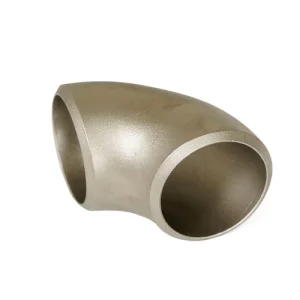
Best SS347H Stainless Steel Pipe Fitting Elbow 6 Inch SCH40 LR Factories, Pricelist
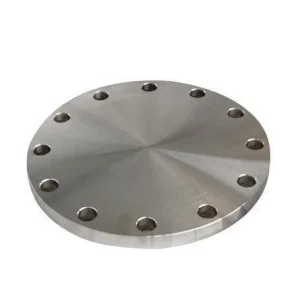
Wholesale Industrial Steel Carbon Steel Stainless Steel Blind Flange Manufacturers, Supplier
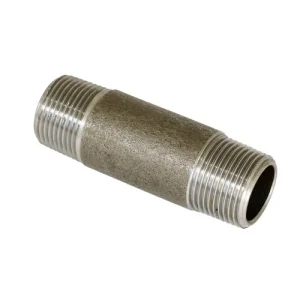
Discount NPT Black Steel Carbon Steel Pipe Nipples Manufacturers, Service
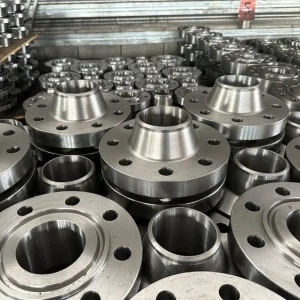
Famous High Quality Flanges Manufacturers, Company
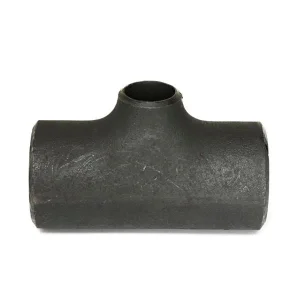
Wholesale Butt-Welding Seamless Pipe Fitting Tee Butt Weld Tee Product, Service
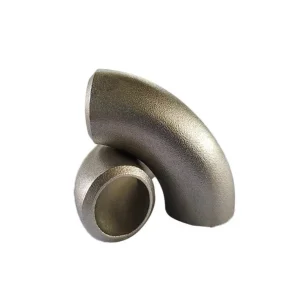
Famous Pipe Fitting Elbow Factories, Service
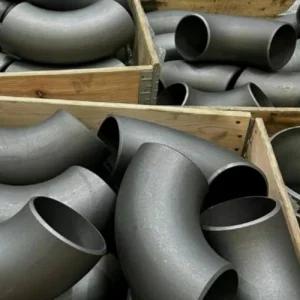
High-Quality A234WPB Seamless Elbow DN100 SCH STD 90Deg 1.5D Pricelist, Exporter
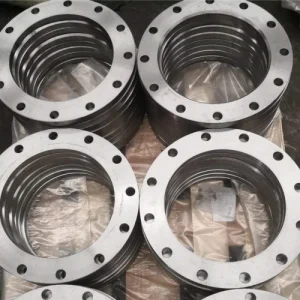
Discount Plain Flange A105 Carbon Steel Flange Pricelist, Companies
Ready to Request Factory-Direct Commercial Quotes?
Submit your Material Take-Off (MTO), piping bill of quantities, or technical drawing specifications. Our engineering sales team will issue a formal factory price quote within 24 hours.
Contact Our Export Engineering Team