Precision Butt-Weld Fittings & High-Pressure Pipe Caps
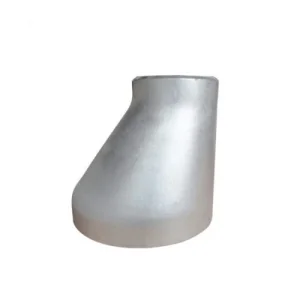
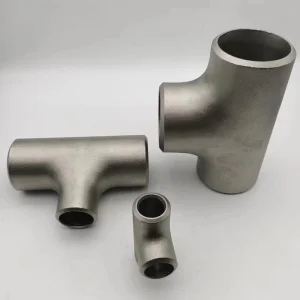
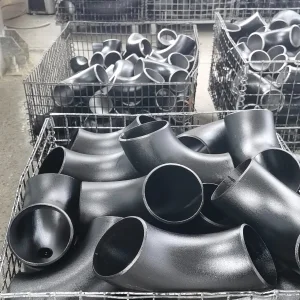
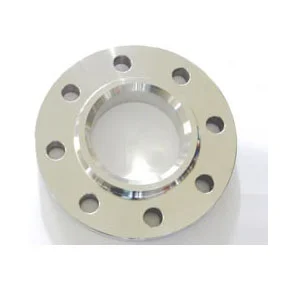
Explore our foundational engineering catalog. Retaining original design configurations with full material traceability and certified manufacturing tolerances.
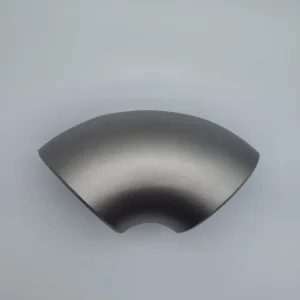
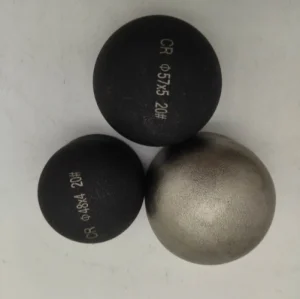
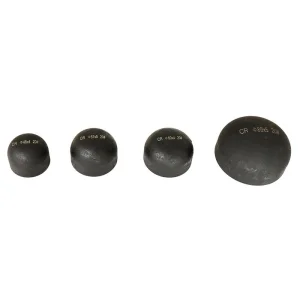
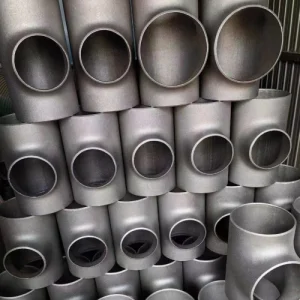
Global Pipeline Infrastructure Trends & Supply Chain Evolution
Analyzing the shift toward ultra-high-pressure infrastructure, LNG terminal expansion, and advanced metallurgical integrity requirements in the global pipe cap market.
High-Pressure LNG & Cryogenic Demand
Global decarbonization initiatives are driving unprecedented expansion in Liquefied Natural Gas (LNG) transport networks. Pipe end caps specified for cryogenic services require nickel-alloy austenitic stainless steels (ASTM A403 WP304L/316L) capable of maintaining Charpy V-Notch impact toughness down to -196°C.
Severe Hydrogen Corrosion Mitigation
As green hydrogen blending penetrates existing natural gas pipelines, material susceptibility to Hydrogen Induced Cracking (HIC) and Sulfide Stress Corrosion Cracking (SSCC) has become a primary engineering risk. Factory-direct pipe caps must adhere to strict NACE MR0175/ISO 15156 metallurgy guidelines.
Digital Traceability & Smart Inventory
EPC contractors no longer accept unverified steel components. Leading wholesale manufacturers, such as Hebei Cangrun Pipeline Equipment Co., Ltd., incorporate QR-code heat number traceability directly onto pipe caps, linked to digital EN 10204 3.1 Mill Test Certificates (MTC).
Procurement Intelligence Insight
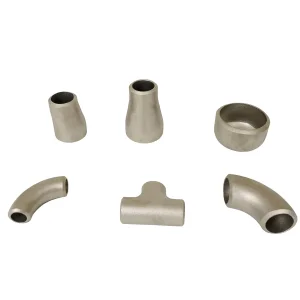
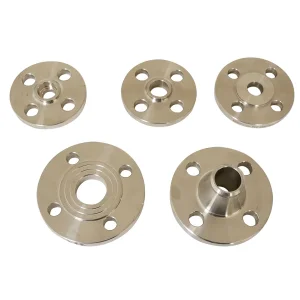
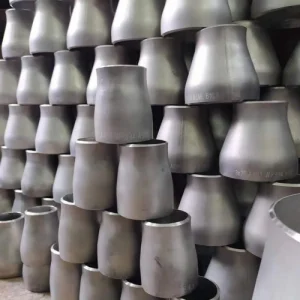
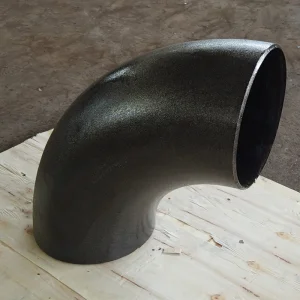
According to recent industrial procurement data, global pipeline projects are shifting heavily toward consolidated purchasing models. Combining seamless carbon steel pipe caps with matching elbows, reducers, and flanges from a single manufacturing hub reduces freight overhead by up to 18% and eliminates material mismatch risks during site fit-up.
Pipe End Cap Design, Manufacturing Metallurgy & Tolerances
Understanding the structural mechanics, hot pressing technologies, and dimensional standards governing ASME B16.9 butt-weld pipe caps.
1. Geometric Configuration & Stress Distribution Mechanics
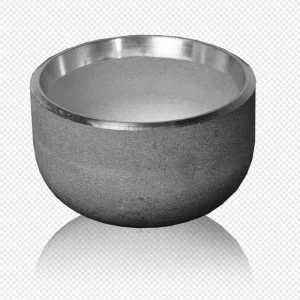
An industrial pipe end cap serves as a permanent pressure containment boundary at the terminal end of a piping run. Unlike flat plates or blind flanges, ASME B16.9 pipe caps are manufactured with an ellipsoidal head profile (typically 2:1 ratio) to ensure optimal hoop stress distribution under internal hydrostatic pressure. The smooth geometry minimizes localized stress concentrations at the knuckle radius, transitioning smoothly into a straight cylindrical land (skirt) designed for full-penetration butt welding.
2. Standard Dimensions & Pressure Rating Calculations
Pipe cap pressure containment capacity must equal or exceed that of straight pipe of the equivalent material grade and wall thickness schedule. The theoretical burst pressure is calculated using Barlow's Formula adjusted for joint efficiency and design factor:
Barlow's Equation for Pressure Containment:
P = (2 * S * t * E) / (D - 2 * t * Y)
Where: P = Design Internal Pressure | S = Allowable Stress Value | t = Nominal Wall Thickness | D = Outside Diameter | E = Weld Joint Efficiency Factor | Y = Temperature Coefficient
3. Material Grade Matrix & Metallurgical Standards
| Material Category | Standard Specification | Common Material Grades | Typical Service Environment |
|---|---|---|---|
| Carbon Steel | ASTM / ASME A234 | WPB, WPC, ST37.0, ST52.0 | General industrial water, oil, gas transmission (-29°C to 425°C) |
| Low-Temp Carbon Steel | ASTM / ASME A420 | WPL6, WPL3 | Low-temperature refrigerated gas & arctic pipelines down to -45°C |
| High-Yield Carbon Steel | MSS-SP-75 | WPHY 42, WPHY 52, WPHY 60, WPHY 70 | Cross-country high-pressure transmission oil & gas pipelines |
| Alloy Steel | ASTM / ASME A234 | WP11, WP22, WP5, WP91, WP911 | High-temperature power plant steam lines & refinery cracking units |
| Austenitic Stainless Steel | ASTM / ASME A403 | WP304, WP304L, WP316, WP316L, WP321, WP347 | Chemical processing, sanitary, marine, and corrosive liquid service |
| Duplex & Super Duplex | ASTM / ASME A815 | UNS S31803 (2205), UNS S32750 (2507) | Offshore oil extraction, desalination plants, chloride environments |
4. Hot Pressing vs. Cold Spinning Production Routes
Depending on wall thickness and nominal pipe size (NPS), factory fabrication of butt-weld caps utilizes two primary methods:
- Hot Deep Drawing (Hydraulic Pressing): Seamless carbon steel plates or pipe blanks are heated above recrystallization temperatures (850°C - 1050°C) and forced through precision dies. This process ensures homogenous grain structure, optimal mechanical toughness, and eliminates internal residual stresses.
- Cold Spinning & Flanging: Suitable for thin-wall stainless steel caps or ultra-large diameter custom caps (DN600+). Cold-formed caps undergo subsequent full-solution annealing heat treatment to eliminate work hardening and restore corrosion resistance.
Wholesale Pipe Cap Pricelist Cost Architecture & Quotation Dynamics
A transparent breakdown of wholesale pricing variables, raw material surcharges, machining costs, and bulk procurement optimization strategies.
Understanding factory cost structures enables B2B procurement managers to evaluate quotes effectively, eliminate unnecessary price markups, and secure competitive unit costs for high-volume pipeline projects.
1. Raw Material Index Surcharges
Raw steel plate or seamless pipe billet accounts for 60% - 75% of total pipe cap manufacturing costs. Price fluctuations in iron ore, nickel, molybdenum, and chromium directly impact unit pricing. Ordering during raw material consolidation cycles can significantly lower project expenditure.
2. Wall Thickness Schedule (SCH) Impact
Moving from standard wall (STD/SCH40) to heavy wall schedules (SCH80, SCH160, XXS) exponentializes press tonnage requirements, heat treatment cycles, and machining times for bevel end preparation, driving up cost per unit weight.
3. Testing, Certification & Inspection
Specialized testing—including Radiographic Testing (RT), Ultrasonic Testing (UT), Positive Material Identification (PMI), and Third-Party Inspection (TPI like SGS, BV, TUV)—add 5% to 15% to final pricelists but are critical for high-hazard oil & gas services.
Benchmark Wholesale Pricelist Reference Matrix (Indicative FOB China)
Note: Actual pricing fluctuates based on steel spot market rates, quantity, and specific heat treatment requirements. Contact our engineering sales desk for formal custom quotes.
| NPS / DN Size | Wall Schedule | Material Specification | Unit Weight (kg) | Est. Wholesale Price Range (USD) |
|---|---|---|---|---|
| 1 1/2" (DN40) | SCH 40 / STD | ASTM A234 WPB Seamless | 0.38 kg | $1.20 - $2.50 |
| 2" (DN50) | SCH 80 / XS | ASTM A234 WPB Seamless | 0.72 kg | $2.80 - $4.50 |
| 4" (DN100) | SCH 40 / STD | ASTM A403 WP304/304L Stainless | 1.85 kg | $12.50 - $18.00 |
| 6" (DN150) | SCH 80 / XS | ASTM A403 WP316/316L Stainless | 4.90 kg | $38.00 - $52.00 |
| 12" (DN300) | SCH 40 / STD | ASTM A234 WPB Seamless | 18.50 kg | $45.00 - $68.00 |
| 24" (DN600) | SCH 80 / XS | ASTM A234 WPB / Heavy Press | 88.00 kg | $220.00 - $310.00 |
Cross-Sector Turnkey Piping Solutions
Engineered pipe cap solutions deployed across critical global energy, processing, and municipal infrastructure installations.
Petrochemical & Refining
Resistant to high-temperature thermal cracking and hydrogen attack. Carbon steel WPB and alloy WP91 caps maintain integrity in hydrocracker and catalytic reformer processing units.
Offshore & Marine Engineering
Duplex SS 2205/2507 caps provide supreme resistance to marine pitting corrosion and chloride stress cracking in subsea manifolds and FPSO topside piping systems.
Nuclear & Thermal Power
Certified low-cobalt alloy fittings strictly tested to ASME Section III nuclear standard requirements for high-pressure main steam and feedwater recirculation loops.
Cross-Country Gas Transmission
High-yield MSS-SP-75 WPHY 52/65/70 caps engineered for seamless integration into large-diameter natural gas transmission lines operating up to 150 bar pressure.
Strict Quality Control & Global Compliance Framework
Guaranteeing zero-defect piping installation through rigorous metallurgical verification and international standard compliance.
Full Metallurgical Traceability
Every raw billet undergoes spectrographic analysis before forging. Heat numbers are deeply stamped onto straight skirts and recorded on EN 10204 3.1 Material Test Reports detailing chemical composition and mechanical test values.
Non-Destructive Testing (NDT)
100% bevel end Liquid Penetrant Inspection (LPI), Ultrasonic Wall Thickness Verification, and Radiographic Testing on welded seams ensure 100% structural soundness under operating hydrostatic pressures.
Global Certification Standards
Certified manufacturing under ISO 9001:2015 Quality Systems, Pressure Equipment Directive (PED 2014/68/EU Module H), and compliance with API 6H, ASME B16.9, EN 10253, and DIN 2617 specifications.
Hebei Cangrun Pipeline Equipment Co., Ltd. Commitment
Operating out of three state-of-the-art group factories in Cangzhou, Hebei, China, Cangrun Pipeline Equipment integrates advanced hot-pressing hydraulic machinery with deep global export logistics support. We provide end-to-end procurement protection, customs compliance paperwork, and export-grade wooden box packaging engineered for ocean freight protection.
Future Technology & Sustainable Manufacturing Roadmap
Pioneering automated manufacturing, advanced anti-corrosion barrier coatings, and eco-friendly steel forging.
AI-Driven Automated Beveling
Implementation of robotic CNC beveling machinery guarantees precise compound weld prep angles (37.5° ± 2.5°) with zero dimensional variance, speeding up field welding procedures for contractor installation teams.
Advanced Ceramic Fusion Coatings
Development of internal nano-ceramic and fusion-bonded epoxy (FBE) linings designed to withstand aggressive slurry transport and high-temperature geothermal steam corrosion without degradation.
Green Steel Carbon Neutral Forging
Transitioning factory induction heating furnaces to 100% renewable electricity sources, reducing the carbon footprint of structural fittings supplied to European and North American infrastructure markets.
Frequently Asked Procurement Questions
Expert answers regarding standard specifications, tolerances, order quantities, and custom drawings.
What is the difference between an ASME B16.9 pipe cap and a blind flange?
Which standards do your wholesale pipe caps and fittings comply with?
Can you supply pipe caps with customized bevel ends or special wall thicknesses?
What documentation is included with wholesale orders?
How can I request a formal price quotation and delivery schedule?
Matching Fittings, Flanges & Seamless Steel Pipes
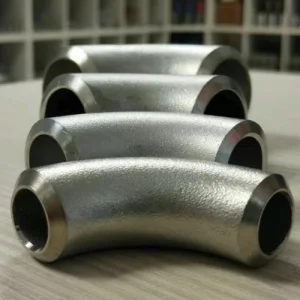
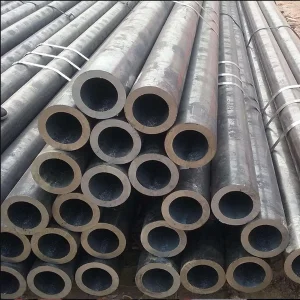
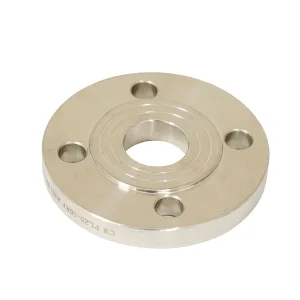
Complete your procurement requirement list with factory-direct elbows, tees, reducers, flanges, and high-strength seamless steel pipes.