
Featured Industrial Piping & Connection Hardware
Factory-direct high-precision fittings, carbon/stainless steel flanges, and engineered pipeline connectors manufactured to ASME, DIN, and ISO standards.
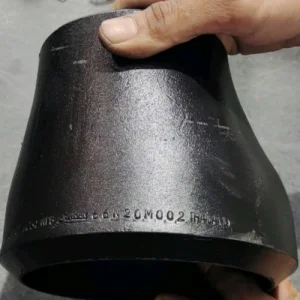
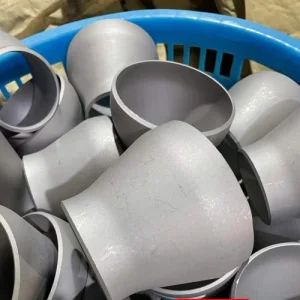
Wholesale Butt Weld Pipe Fitting Stainless Steel SS304 Concentric Reducer SCH10 Exporters
View Product Details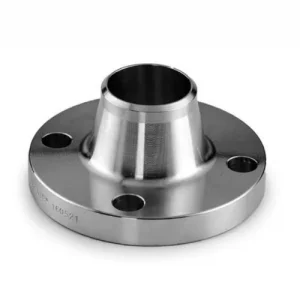
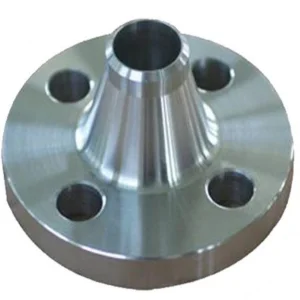
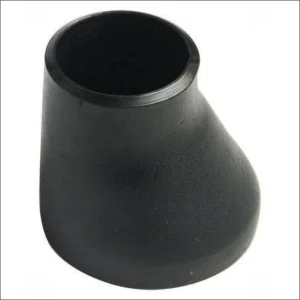
High-Quality Concentric /Eccentric Reducer Butt Weld Pipe Fitting Manufacturers
View Product Details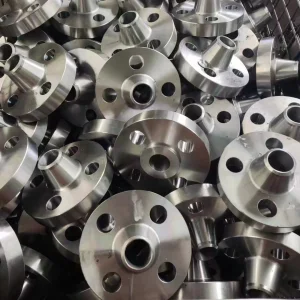
Architectural Breakdown: Mechanical Principles of Flexible Connectors
A rigorous engineering evaluation of thermal movement compensation, vibration dampening, and stress isolation mechanisms in modern fluid handling infrastructure.
In modern high-pressure piping design, fluid distribution loops are continuously subjected to extreme mechanical stresses. Thermal expansion, water hammer, dynamic pump pulsation, ground settlement, and equipment misalignments threaten structural integrity. Flexible pipe connectors serve as critical compliance joints engineered to absorb multidirectional kinematic movement, attenuate structure-borne noise, and isolate delicate machinery such as centrifugal pumps, chillers, turbines, and pressure vessels.
1. Kinematic Compensation Vectors: Axial, Lateral, and Angular Movements
Industrial piping designers must categorize thermal expansion into primary kinematic displacement vectors. Flexible connectors—ranging from elastomeric rubber bellows to hydroformed stainless steel flexible metallic hoses—are customized depending on which mechanical vector dominates the system:
Axial Compression & Expansion
Refers to the dimensional change along the longitudinal axis of the pipe centerline. Bellows compression occurs when fluid heating causes thermal elongation of adjacent straight pipe runs.
- Evaluated in millimeters (mm) or inches of stroke.
- Requires tie-rod assemblies if unanchored line pressure creates thrust loads.
Lateral Shear Displacement
Perpendicular offset movement between the two connecting flange faces. Common in pump suction/discharge interfaces subject to heavy equipment vibration.
- Absorbed effectively by double-sphere rubber expansion joints.
- Multi-ply corrugated metallic hoses mitigate high shear stresses.
Angular Deflection & Torsion
Rotation of the connector centerline relative to its neutral state. While angular rotation can be safely accommodated by spherical bellows, torsional twisting must be strictly avoided.
- Bellows elements must never be subjected to torsional twist.
- Precision alignment during flange bolting is paramount.
Engineering Performance Standards
Quantitative benchmarks demonstrating structural resilience under severe operational conditions.
| Connector Material Class | Primary Construction | Max Pressure (Bar) | Temperature Limits | Dominant Application Scenario |
|---|---|---|---|---|
| Single/Double Sphere EPDM | Neoprene / EPDM + Nylon Cord Reinforcement | 16 - 25 Bar | -10°C to +110°C | HVAC, Chilled Water, Potable Water Lines |
| Fluoroelastomer (FKM/Viton) | FKM Inner Liner + Synthetic Fabric & Wire Ring | 10 - 16 Bar | -20°C to +200°C | Petrochemical Slurry, Acidic Fluids, Hot Oils |
| Stainless Steel Braided Bellows | Corrugated SS304/SS316L + SS Outer Braid | 40 - 100 Bar | -200°C to +550°C | High-Pressure Steam, Gas Turbines, Thermal Power |
| PTFE-Lined Expansion Joint | Virgin Molded PTFE Bellows + Outer Metal Armor | 10 - 16 Bar | -50°C to +230°C | Ultra-Pure Pharma, Concentrated Nitric/Sulfuric Acids |
| Inconel / Hastelloy Bellows | Nickel Alloy Multi-ply Hydroformed Core | 100+ Bar | Up to +850°C | Offshore Oil & Gas, Nuclear Cooling, Flare Stacks |
China Factory Advantages: Scale, Metallurgy, & Quality Control
Why leading global EPC (Engineering, Procurement, Construction) enterprises choose Chinese flexible pipe connector manufacturers for gigawatt-scale infrastructure projects.
Integrated Metallurgical Ecosystem
Situated in premier pipeline equipment manufacturing hubs such as Cangzhou, Hebei, Chinese factories leverage seamless vertical integration. From raw forged steel flanges (ASME B16.5, DIN 2638) to precision cold-drawn stainless steel tubing, raw material leads are minimized and material traceability is 100% verified via MTRs (Material Test Reports) adhering to EN 10204 3.1 certification standards.
Hydroforming & Automated Bellows Manufacturing
Modern Chinese manufacturing facilities utilize advanced multi-ply hydroforming machinery. Unlike mechanically rolled convolutions, hydroformed metal bellows feature uniform wall thickness, minimized residual micro-stresses, and enhanced cycle life. Automated vulcanization presses ensure synthetic rubber bellows (EPDM, NBR, Viton) possess flawless molecular cross-linking for leak-free service.
Rigorous Non-Destructive Testing (NDT)
Top-tier Chinese exporters maintain strict quality assurance protocols compliant with ISO 9001 and ISO 14001. Flexible connectors undergo 100% hydrostatic pressure testing at 1.5x working pressure, pneumatic leak verification, X-ray weld examination, burst tests, and finite element stress analysis (FEA) to ensure zero-defect exports to North America, Europe, and the Middle East.
Macro Trends: Smart Connectors & Decarbonization Pressures
Analyzing the shift toward IoT-enabled predictive maintenance, hydrogen-ready metallic expansion joints, and green energy infrastructure requirements.
1. IoT Sensor Integration for Predictive Maintenance (Industry 4.0)
As industrial processing plants transition toward automated smart factories, traditional passive flexible connectors are evolving. The integration of micro-strain gauges, acoustic emission sensors, and wireless temperature/pressure telemetry directly into the rubber matrix or metallic bellows sleeves allows real-time structural health monitoring. Maintenance teams receive automated alerts for fatigue crack propagation, elastomer hardening, or pressure spikes before catastrophic rupture occurs.
2. Green Hydrogen & LNG Cryogenic Expansion Joints
With global energy markets shifting toward clean fuels, demand for cryogenic flexible pipe connectors has surged. Liquefied Natural Gas (LNG) pipelines operating at -162°C and liquid hydrogen systems operating at -253°C require specialized austenitic stainless steel (SS316L) or nickel alloy (Inconel 625) multi-ply bellows. These connectors must withstand severe thermal shock while maintaining ultra-low helium leak rates (less than 1×10⁻9 mbar·L/s).
3. Strict Fugitive Emission Regulations (TA-Luft / ISO 15848-1)
Environmental standards regarding chemical processing plants have tightened globally. Flexible pipe connector manufacturers are redesigning flange sealing profiles and incorporating double-containment bellows to achieve compliance with TA-Luft (German Clean Air Act) and EPA Class VI fugitive emission standards, eliminating hazardous VOC (Volatile Organic Compounds) leaks.
Global Industry Applications & Engineering Solutions
Tailored flexible connection architecture designed for extreme operational environments across key economic sectors.
Thermal & Nuclear Power Plants
The Challenge: Superheated steam lines experience massive axial thermal expansion up to 300mm, coupled with intense high-frequency turbine vibration.
The Solution: Heavy-duty externally pressurized metal expansion joints equipped with internal flow liners to minimize turbulence and prevent flow-induced resonance.
Offshore Oil Platforms & Marine Systems
The Challenge: Continuous saltwater corrosion, platform motion flexing, and extreme hydro-carbon fluid pressures up to 10,000 PSI.
The Solution: Fire-rated, rubber flexible connectors reinforced with high-tensile Kevlar/steel cords, certified to DNV-GL, ABS, and Lloyds Register maritime safety codes.
Pharmaceutical & Ultra-Pure Chemical Processing
The Challenge: Fluid contamination risk, aggressive chemical attack (nitric acid, caustic washes), and strict hygienic regulations.
The Solution: FDA-compliant PTFE (Teflon) concentric expansion joints featuring smooth bore internal surfaces to prevent bacterial buildup and product hold-up.
Municipal Water Treatment & Desalination
The Challenge: Large-diameter pipelines (DN1000+) subject to soil settlement, water hammer pressure surges, and high salinity corrosion.
The Solution: Full-bore spool-type EPDM expansion joints with integral rubber flanges, eliminate metal wetted parts and prevent galvanic corrosion.
Global Enterprise Procurement Audit Framework
A systematic checklist for procurement managers and EPC sourcing directors when evaluating international flexible pipe connector manufacturers.
1. Material & Code Compliance
Ensure supplier quotes specify exact compliance standards: ASME B31.3 (Process Piping), EJMA (Expansion Joint Manufacturers Association), ISO 15348, DIN EN 14917, and API 607 (Fire Safety).
2. Total Cost of Ownership (TCO)
Evaluate lifecycle costs vs upfront unit pricing. High-quality multi-ply bellows reduce unscheduled plant downtime, gasket replacements, and pump bearing failures over a 25-year service life.
3. Custom OEM/ODM Capabilities
Verify whether the factory provides custom flange drilling (ANSI, DIN, JIS, BS), non-standard face-to-face lengths, limit rod control units, and customized coating systems (epoxy, galvanizing).
Recommended High-Pressure Piping & Connection Equipment
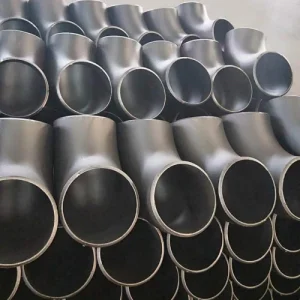
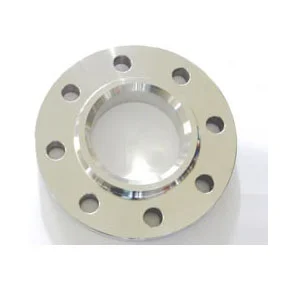
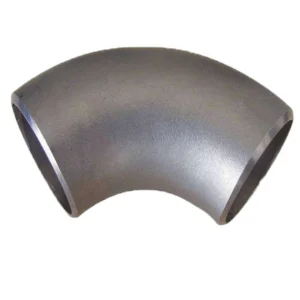
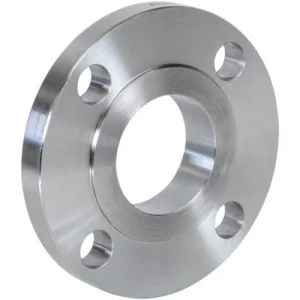
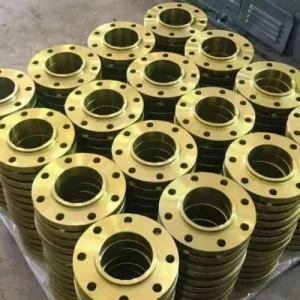
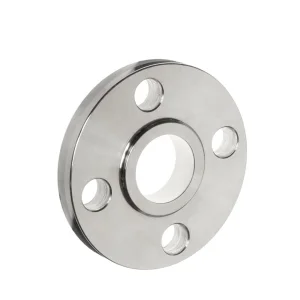
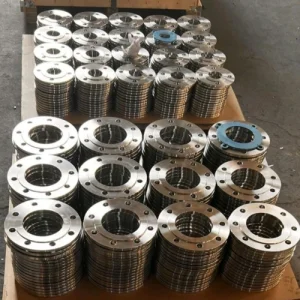
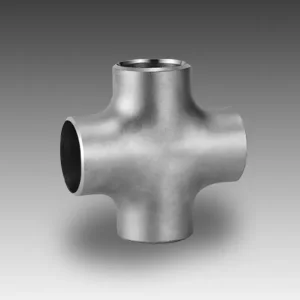
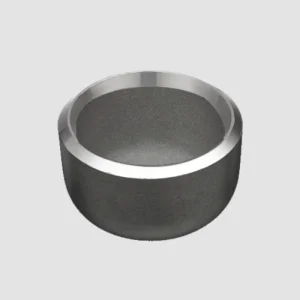
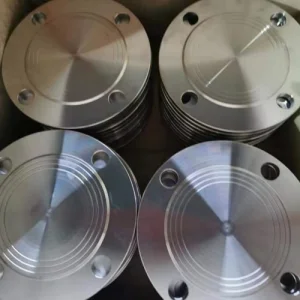
Complete your piping package with precision-manufactured carbon steel elbows, heavy-wall forged flanges, and industrial pipe caps.
Frequently Asked Questions (FAQ) for Piping Engineers
Expert answers regarding installation, material selection, tie-rod thrust forces, and quality assurance.
What is the difference between an unanchored and a tie-rod controlled flexible pipe connector?
An unanchored flexible connector will expand under internal line pressure, exerting a pressure thrust force against adjacent piping anchors. Tie-rod assemblies (control units) act as mechanical limit stops. They prevent the bellows from over-extending past its design limit during sudden pressure surges while still allowing lateral and angular movement modes.
How do I select between rubber expansion joints and braided stainless steel flexible metal hoses?
Rubber expansion joints excel at absorbing high-amplitude vibration, structure-borne noise, and large multi-axis displacements in low-to-medium temperature systems (-10°C to 110°C, pressure up to 25 Bar). Braided stainless steel metal hoses are required for high temperatures (up to 650°C), ultra-high pressures (up to 100+ Bar), cryogenic fluids, or aggressive gaseous media where elastomers degrade.
Why should torsional force be avoided during installation of flexible connectors?
Torsional rotation twisting introduces severe shear stresses across the convolutions of a metallic bellows or elastomer plies. Twisting a bellows dramatically reduces fatigue cycle life and can lead to rapid catastrophic tearing under normal working pressure. Alignment pins and proper bolt torquing sequences must be used during installation.
What quality documentation accompanies Chinese flexible pipe connector shipments?
Standard export shipments include EN 10204 3.1 Material Test Reports (MTRs) detailing chemical analysis and mechanical tensile testing, Hydrostatic Test Certificates, NDT Inspection Reports (X-ray / Dye Penetrant), ISO 9001 Certificate of Compliance, and Third-Party Inspection (TPI) reports from SGS, BV, or TÜV if requested by the purchaser.
How does internal sleeve/liner selection affect slurry and high-velocity steam applications?
Internal flow liners smooth out the fluid path across bellows convolutions. In high-velocity media (>3 m/s for liquids, >7 m/s for gases/steam), flow liners prevent flow-induced resonance and turbulence. In abrasive slurry service, hard-facing liners (e.g., Stellite or hardened SS316) protect the thin bellows wall from erosion wear.