
Industrial Piping & Flange Export Catalog
Browse our factory-direct stainless steel flanges, butt-weld pipe fittings, and high-pressure flexible connections manufactured to ASME, DIN, and JIS standards.
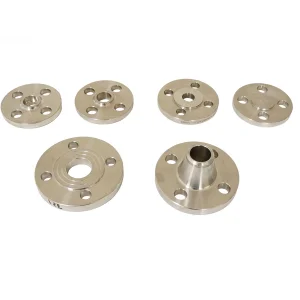
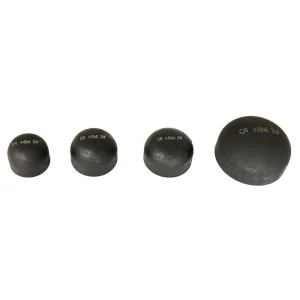
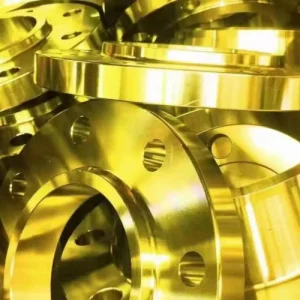
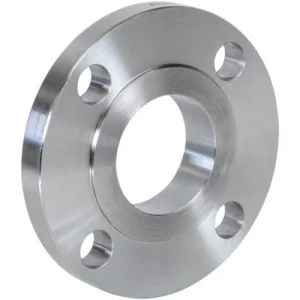
Wholesale B16.5 Duplex 2205 Stainless Steel Weld Neck Flange Blind Flange Manufacturers, Companies
Request Quote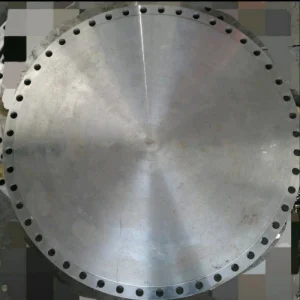
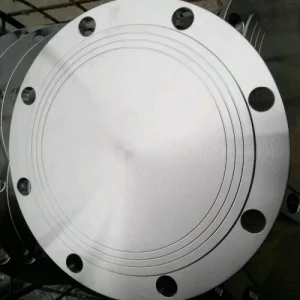
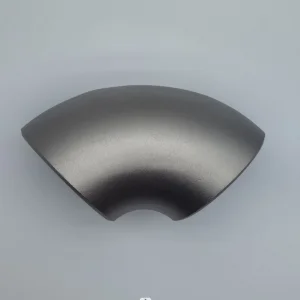
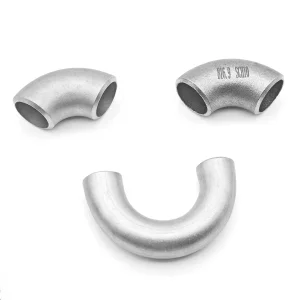
Buy High Quality 45/90-Degree Elbow Stainless Carbon Steel Pipe Fittings Manufacturer, Service
Request Quote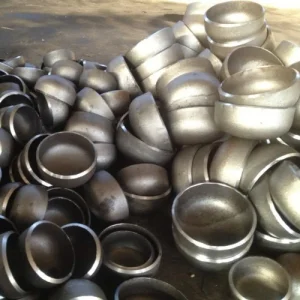
Executive Overview: Metallurgical & Structural Dynamics of Flexible Exhaust Pipes
Understanding thermal stress compensation, mechanical vibration damping, and gas-tight elasticity in modern internal combustion and industrial exhaust systems.
Core Functions of Engine Decoupling Elements
In modern automotive architecture, heavy-duty commercial vehicles, marine diesel installations, and stationary power generation systems, the exhaust manifold is subjected to harsh physical dynamics. Engine vibration, high-frequency torque oscillations, and intense thermal expansion (often exceeding 750°C to 950°C) create severe structural fatigue across rigid piping. Flexible exhaust pipes—also categorized as expansion bellows, flexible joints, or flex couplers—serve as critical compliance elements within the exhaust stream.
Without properly engineered flexible coupling joints, rigid exhaust manifolds suffer from stress-induced cracking, gasket blowouts, turbocharger flange deformation, and early catalytic converter housing failure. As global emissions standards (such as EURO VI, EPA Tier 4 Final, and China VI) enforce strict backpressure thresholds and zero-leakage mandates for Selective Catalytic Reduction (SCR) systems, flexible pipe integrity has transitioned from a standard mechanical component to an essential emission-compliance subsystem.
Metallurgical Selection Matrix: SS304 vs SS316L vs SS409 vs Inconel
Selecting the optimal stainless steel alloy or nickel superalloy is paramount to extending the cycle life of a flexible exhaust connector. Operating environments dictate specific resistance parameters against stress corrosion cracking (SCC), oxidation, and thermal fatigue:
- Austenitic SS304 (UNS S30400): The industry standard for passenger car aftermarket and light-duty applications. Offers excellent formability for hydroformed bellows and high tensile strength at temperatures up to 700°C.
- Austenitic SS316L (UNS S31603): Formulated with 2.0-3.0% Molybdenum, providing superior resistance to pitting corrosion caused by road salts, de-icing chemicals, and acidic exhaust condensate in cold-start cycles. Ideal for marine exhaust applications.
- Ferritic SS409/SS439: Widely specified for OEM automotive underbody flex sections due to its low thermal expansion coefficient and high resistance to elevated-temperature oxidation up to 815°C at a competitive raw material cost point.
- Inconel 625 / SS321: Engineered for extreme-duty applications (commercial turbodiesels, aerospace, and high-performance racing) where exhaust gas temperatures exceed 900°C. Inconel multi-ply bellows withstand hyper-cyclical fatigue and aggressive hot-corrosion environments.
Structural Architecture: Multi-Ply Bellows, Inner Braid & Interlock Liners
A granular breakdown of flex pipe construction variants and their mechanical trade-offs under turbulent gas velocities.
Outer Braiding Network
Constructed from high-tensile stainless steel wire mesh (typically 304 or 316 grade), the outer braid serves two structural purposes: it provides anti-extension pressure containment that prevents the corrugated bellows from elongating under high internal exhaust pressures, and it acts as an external armor shield against road debris impact, stone chips, and mechanical abrasion.
Multi-Ply Precision Bellows
The heart of flex pipe elasticity. Formed through advanced hydraulic or mechanical expansion, multi-ply bellows (combining 2 to 4 thin concentric stainless steel walls) offer up to 400% higher flexural fatigue resistance compared to single-wall designs of equivalent thickness, maintaining a gas-tight seal without sacrificing flexural rigidity.
Inner Liner Configuration
To eliminate exhaust gas turbulence and whistling noises at high RPMs, an internal lining is integrated into the flex core. Engineers specify either an Inner Wire Braid for lightweight vibration damping or an Interlock Flexible Hose Strip formed from helically coiled stainless steel ribbon for high-velocity heavy-duty applications.
| Specification Parameter | Basic Outer Braid + Bellows | Inner Braid Flex Joint | Interlock Liner Flex Pipe |
|---|---|---|---|
| Primary Application | Standard aftermarket passenger cars | High-RPM gasoline & turbo engines | Heavy-duty diesel trucks, gensets, marine |
| Internal Flow Turbulence | Moderate (gas impacts corrugations directly) | Low (smooth wire mesh boundary) | Ultra-Low (smooth metal wall, ideal for laminar flow) |
| Noise, Vibration & Harshness (NVH) | Standard damping | Excellent acoustic damping | Superior structural vibration isolation |
| Max Temperature Limits | 700°C - 800°C | 800°C - 880°C | 900°C - 950°C (with SS321/Inconel) |
| Pressure Resistance | Up to 3.0 Bar | Up to 5.0 Bar | Up to 10.0+ Bar (High-pressure turbo applications) |
Global Industry Landscape: On-Highway, Off-Highway & Power Generation
Examining international demand drivers across commercial transport fleets, industrial power systems, and specialized OEM supply chains.
Commercial Fleet & On-Highway Transport Dynamics
The global transition toward ultra-clean combustion engines has dramatically increased structural loads on exhaust aftertreatment systems. Heavy-duty Class 8 trucks, intercity buses, and vocational vehicles utilize complex Diesel Particulate Filters (DPF) and Selective Catalytic Reduction (SCR) assemblies that can weigh over 150 kg. Flexible exhaust pipes positioned between the turbocharger outlet and the aftertreatment module are essential to prevent heavy dynamic loads from cracking sensitive ceramic catalyst substrates.
In North America and Western Europe, fleet operators prioritize zero-downtime reliability. As a result, Tier-1 OEM suppliers and fleet maintenance operations are rapidly replacing low-cost single-ply flex pipes with heavy-duty interlock flexible couplings manufactured with double-braided stainless caps and reinforced extension sleeves.
Off-Highway, Marine & Stationary Power Generation
Beyond automotive applications, industrial exhaust systems present unique engineering challenges. High-displacement stationary power generation diesel sets (ranging from 500 kW to 3.5 MW) generate continuous low-frequency vibrations that can destroy rigid building exhaust ducts. Flanged metal expansion joints and large-diameter flex pipes (DN100 to DN500) engineered with multi-ply SS316L bellows are essential for absorbing thermal displacement in thermal power stations, data centers, and hospital backup power infrastructure.
Similarly, marine propulsion systems operating in salt-rich offshore environments require specialized flexible connectors certified by classification societies (such as DNV, ABS, or Lloyd's Register) featuring custom duplex stainless steel or Inconel bellows.
Localized Application Scenarios & Engineering Case Studies
Discover how custom flexible exhaust solutions perform under challenging environmental and mechanical conditions globally.
North American Highway Transports
Challenge: Long-haul freight trucks traversing Northern US and Canadian corridors experienced premature flex pipe corrosion and fatigue failure due to aggressive de-icing chemicals (calcium chloride) combined with extreme sub-zero to 800°C thermal cycles.
Solution: Upgraded to dual-layer SS316L interlock flexible pipes with protective outer wire braid and custom electro-galvanized extension nipples, increasing average service life from 140,000 miles to over 450,000 miles.
European Urban Bus Networks
Challenge: City transit buses equipped with Euro VI CNG and diesel engines encountered severe acoustic resonance noise inside passenger cabins caused by exhaust gas pulsation through standard corrugated bellows.
Solution: Implementation of hydroformed 3-ply SS321 bellows featuring an internal smooth interlock liner and anti-vibration rubber-damped flange mounts, successfully attenuating acoustic resonance by 18 dB(A).
Australian Heavy Mining Fleets
Challenge: Ultra-class mining haul trucks operating in the Pilbara desert faced continuous dust ingestion, severe chassis twisting over unpaved haul roads, and exhaust gas temperatures exceeding 900°C.
Solution: Heavy-duty custom-engineered Inconel 625 multi-ply expansion joints fitted with forged flange ends and heavy wire mesh sleeve guards, eliminating unexpected turbo downpipe cracking in 24/7 mining operations.
Technology Roadmap & Next-Generation Exhaust Flex Innovations
How advanced manufacturing, smart sensors, and alternative fuel transition (Hydrogen & Dual-Fuel) are shaping the future of flexible exhaust connectors.
Precision Hydroforming & Laser-Welded Seamless Bellows
Traditional roll-formed flex pipes feature longitudinal seam welds that act as stress concentration points during thermal expansion. Next-generation flex pipe manufacturing utilizes micro-laser welding paired with high-pressure internal hydroforming. This achieves uniform wall thickness distribution across all corrugation crowns, boosting cyclic fatigue performance by over 60%.
Decoupling Solutions for Hydrogen Internal Combustion Engines (H2-ICE)
As the commercial transportation sector evaluates hydrogen combustion engines, flexible exhaust connectors must adapt to unique gas compositions. Hydrogen exhaust streams contain significantly higher moisture content and elevated water vapor condensation risks, demanding ultra-low carbon SS316L or titanium-stabilized alloys (SS321) with specialized internal hydrophobic ceramic coatings to prevent hydrogen embrittlement and rapid moisture oxidation.
Smart Flex Joints with Integrated Strain & Temperature Monitoring
Industry 4.0 fleet telemetry requires real-time predictive maintenance. Smart flexible expansion joints embedded with high-temperature thin-film strain gauges and thermocouple sensors provide continuous data on structural strain accumulation and exhaust gas temperatures, enabling operators to schedule preventative replacement prior to catastrophic field failure.
Chinese Manufacturing Ecosystem: Cangzhou Pipeline Industrial Resilience
Leveraging integrated raw material procurement, automated manufacturing, and agile export logistics to deliver unmatched value to global buyers.
Cangzhou Cluster: Unrivaled Raw Material & Tooling Integration
Situated in Cangzhou, Hebei Province—China's premier capital for steel pipe, flange, and pipeline fitting manufacturing—our manufacturing operations benefit from a hyper-dense supply ecosystem. Within a 30-kilometer radius, we source certified stainless steel coil stock (from premier mills including Tsingshan, TISCO, and Baosteel), specialized tooling, precision wire braiding machinery, and automated CNC flanging equipment.
This geographic concentration allows us to achieve 100% material traceability, minimize raw material transit times, and rapidly scale custom sample development from CAD drawing approval to physical prototype within 72 hours.
Automated Quality Assurance & Export Logistics Optimization
Our production facilities operate under strict ISO 9001:2015 and IATF 16949 quality management protocols. Every flexible exhaust pipe batch undergoes rigorous quality gates:
- Automated TIG/Laser Weld Inspection: Continuous online eddy current testing ensures defect-free seam welds on all stainless steel tubes.
- 100% Pressure & Leak Testing: Pneumatic underwater bubble testing at 6.0 Bar pressure and helium mass spectrometer leak detection.
- Salt Spray & Thermal Fatigue Validation: ASTM B117 salt spray testing exceeding 720 hours alongside 100,000-cycle automated expansion endurance rigs.
- Container Loading Optimization: Custom nested packaging and automated palletization maximize container volume efficiency, reducing ocean freight costs per unit by up to 22%.
RFQ Engineering Checklist: How to Request Accurate Flex Pipe Quotes
Eliminate quote delays and engineering misalignment by providing essential technical parameters in your Request for Quotation (RFQ).
Dimensional & Movement Technical Specifications
When submitting a RFQ to our export engineering team, please specify the following parameters:
- Internal Diameter (ID): Standard sizes range from 1.5" (38mm) up to 6.0" (152mm) for engine flex pipes, and up to 24" (600mm) for industrial expansion joints.
- Overall Length (OAL): Total end-to-end length including extension nipples or flanged ends (e.g., 4", 6", 8", 10", 12").
- Internal Structure: Specify Plain Bellows, Inner Braided Wire, or Interlock Flexible Hose Strip.
- Required Motion Allowances: Axial compression/extension (+/- mm), Lateral offset (mm), and Angular deflection (degrees).
- End Fitting Type: Plain welded nipples (SS304 or aluminized steel), OEM slip-fit slotted ends, floating flanges (ASME B16.5, DIN PN16), or quick-release V-band clamps.
Commercial Factors Influencing Bulk Quotations
Flexible exhaust pipe pricing is structured around volume tiers, alloy market surcharges, and customized packaging requirements:
- Order Volume Tiers: Standard MOQs start at 500 units per specification for custom dimensions. Standard catalog sizes benefit from lower MOQs (100 units) with tier pricing at 1,000, 5,000, and 20,000+ units.
- Material Certification: Standard products include EN 10204 3.1 Material Test Reports (MTR). Third-party inspections (SGS, BV, TÜV) can be arranged upon request.
- OEM Private Labeling: Laser engraving of part numbers, QR codes, and custom buyer logos on flex pipe caps or nipples available for volume distributors.
Industrial Butt-Weld Fittings, Reducers & Flanges
Explore our full line of carbon steel, alloy steel, and stainless steel pipe connectors designed for high-pressure industrial pipeline networks.
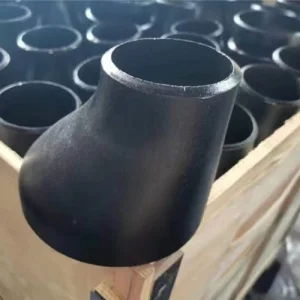
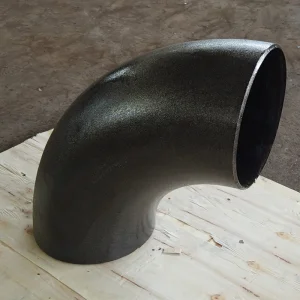
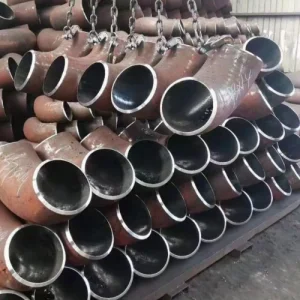
Best Customized Drawings ASME B16.9 304 316 2d 3d 5d 30 35 45 Degree Weld Bend Stainless Steel Carbon Steel 90 Degree 18 Inch Elbow Company, Service
Request Quote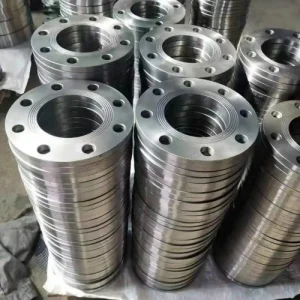
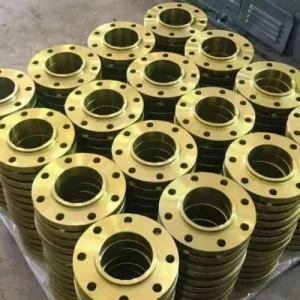
Famous OEM Manufacturers Weld Neck Flange Titanium Stainless Steel 304 Weld Neck Flange Custom Carbon Steel Weld Neck Flange Manufacturers, Service
Request Quote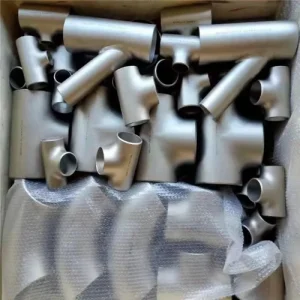
Discount High-Quality Pipe Tees – Equal & Reducing, Stainless Steel, Carbon Steel Manufacturer, Factories
Request Quote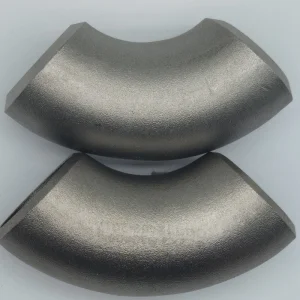
Frequently Asked Technical & Sourcing Questions
Expert answers to common engineering, quality control, and international shipping queries regarding flexible exhaust components.