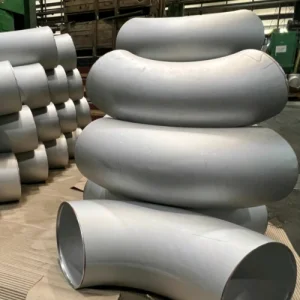
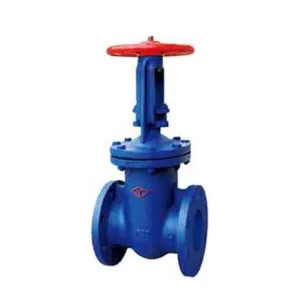
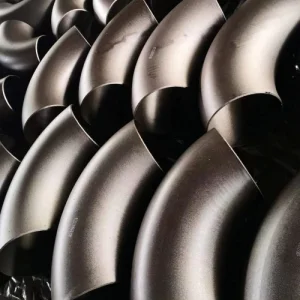
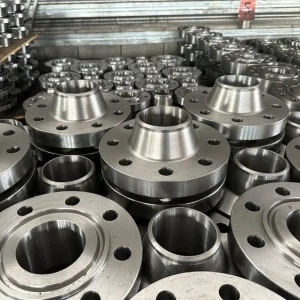
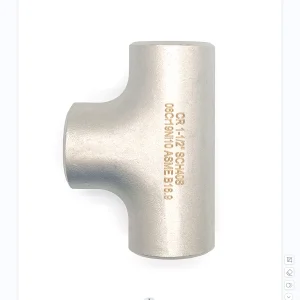
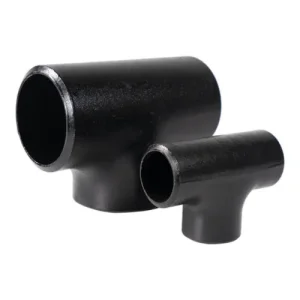
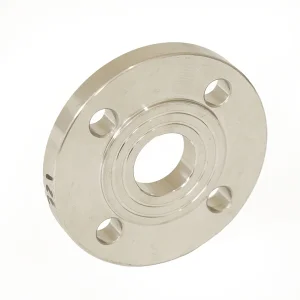
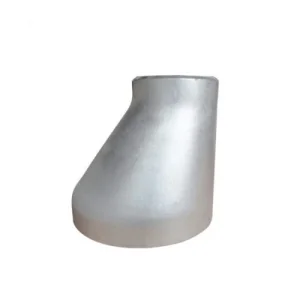
Featured Industrial Pipeline Components & Press Systems
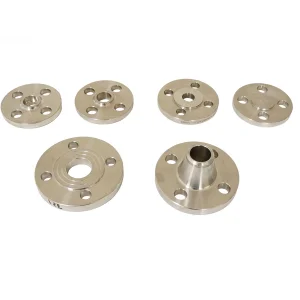
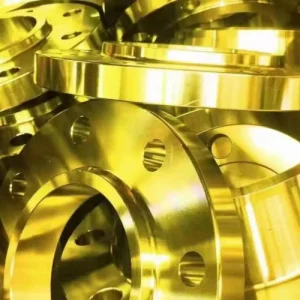
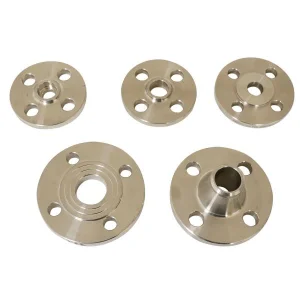
Direct factory-grade engineered fittings, forged flanges, and press-compatible piping solutions compliant with international ASME, EN, JIS, and GB standards.
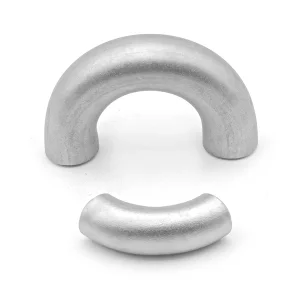
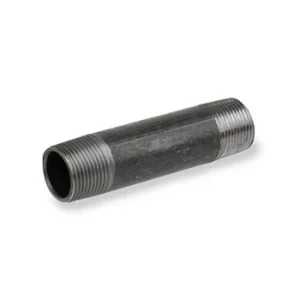
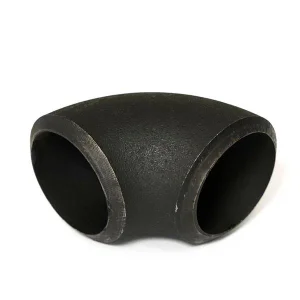

The Evolution of Modern Press Fitting Technology: An Industry Paradigm Shift
In modern mechanical engineering, fluid conveyance, and commercial HVAC infrastructure, the global piping industry is experiencing an irreversible transition away from traditional thermal joining methods—such as torch soldering, oxy-acetylene brazing, and field welding—toward cold-press mechanical connection systems. High-quality copper press fittings stand at the epicenter of this transformation, providing an engineered balance of structural metallurgy, rapid installation velocity, and permanent hermetic sealing.
Driven by rising labor costs, stringent jobsite hot-work restrictions, and demanding project completion timelines, EPC contractors and engineering leads are increasingly mandating press-connect copper technology for domestic water supply, commercial hydronic heating, chilled water loops, solar thermal, and medical gas distribution systems. A single press connection takes under 10 seconds to execute, reducing site installation labor by up to 70% while totally eliminating the fire hazard risks associated with open flames on construction sites.
Macro Industry Driving Forces and Economic Value Drivers
From an asset management perspective, modern construction projects must reconcile tight capital expenditure budgets with aggressive operational efficiency targets. Copper press fittings address these dual pressures through systemic benefits that extend beyond the initial procurement cost of the physical component:
Total Cost of Ownership (TCO) Reduction
While raw material costs for press fittings are higher than standard sweat fittings, total installed cost drops substantially. Labor hours decrease dramatically, and expensive hot-work permits, fire watch personnel, and post-soldering pipe flushing protocols are entirely bypassed.
Quality Consistency & Leak Elimination
Human error in soldering—such as under-heating, insufficient flux coverage, or thermal distortion—is eliminated. Precision calibration in hydraulic pressing tools ensures every joint receives identical circumferential force vectors, backed by Leak-Before-Press (LBP) elastomeric seals.
Operational Safety & Jobsite Logistics
Ideal for occupied retrofit environments such as operational hospitals, historic renovations, and data centers. Cold-pressing generates no smoke, fumes, toxic gas emissions, or open flame hazards, permitting work without shutoffs or evacuation protocols.
Technical Deep-Dive: Metallurgical Composition & Seal Dynamics
High-performance copper press fittings are micro-engineered components designed to withstand severe mechanical vibration, water hammer, dynamic thermal expansion, and aggressive water chemistry.
Copper Alloy Standards (Cu-DHP)
Premium press fittings are manufactured from Phosphorus-Deoxidized High-Residual Phosphorus Copper (Cu-DHP / UNS C12200 according to ASTM B75/B88 and EN 1057 standards). Composed of minimum 99.90% pure copper and 0.015%–0.040% phosphorus content, this alloy resists embrittlement, stress corrosion cracking, and dezincification. It delivers superior ductility, ensuring uniform cold deformation during tool crimping without micro-fracturing the fitting wall.
Elastomer O-Ring Polymer Science
The heart of press fitting sealing reliability lies in the engineered O-ring element retained inside the fitting socket bead. Three primary synthetic rubber compounds dominate technical procurement specs:
- EPDM (Ethylene Propylene Diene Monomer): Black seal engineered for potable water, HVAC chilled/heating water, and compressed air. Operating range: -20°C to 110°C (-4°F to 230°F). Resistant to chloramines and scale buildup.
- HNBR (Hydrogenated Nitrile Butadiene Rubber): Yellow seal customized for natural gas, liquid petroleum gas (LPG), diesel, and fuel oil distribution. Operating range: -20°C to 70°C (-4°F to 158°F).
- FKM / Viton (Fluorocarbon Elastomer): Green or red seal designed for high-temperature solar loops, district heating, steam, and synthetic oil lines. Operating range: -20°C to 200°C (-4°F to 392°F).
Mechanical Press Mechanics: V-Profile vs. M-Profile
Understanding press jaw geometry is vital for procurement specialists and field engineers. Press tools exert controlled electro-hydraulic force (typically 19 kN to 32 kN depending on fitting size) to cold-form the fitting bead over the copper tube. Two international press profile methodologies lead global markets:
| Technical Parameter | V-Profile (Viega Standard) | M-Profile (Mapress Standard) | TH-Profile (Multi-layer Hybrid) |
|---|---|---|---|
| Primary Regional Usage | North America, Australia, UK, Asia | Continental Europe, UK, Middle East | Global HVAC & Radiant Networks |
| Mechanical Deformation Zone | Compresses both sides of the O-ring bead simultaneously | Compresses directly onto the outer edge of the O-ring bead | Multi-ridge radial compression sequence |
| Size Availability Range | 1/2" to 4" (DN15 to DN100) | 12 mm to 108 mm | 16 mm to 63 mm |
| Max Operating Pressure | 16 bar (232 psi) / 200 psi gas | 16 bar (232 psi) / 5 bar gas | 10 bar to 16 bar |
| Anti-Rotation Lock | Hexagonal / Octagonal deformation contour | Linear indentation lock ring contour | Deep rib mechanical interlock |
Global Procurement Demand & Enterprise Macro Solutions
Procurement directors and supply chain executives managing global infrastructure portfolios face diverse regional standards, local plumbing codes, and trade compliance demands. Selecting a fully qualified supplier for copper press fittings requires rigorous evaluation of international certifications, material traceability, and manufacturing quality control metrics.
Regulatory Compliance & Potable Water Certifications
For domestic drinking water applications, fitting components must satisfy zero-lead leaching standards. Essential certifications include NSF/ANSI 61 & 372 (North America), WRAS (United Kingdom), DVGW (Germany), WaterMark (Australia), and cUPC certification. These guarantee that neither the copper body nor the O-ring polymer emits organic toxins or heavy metals into drinking water supplies.
Quality Assurance Workflow & Mill Test Traceability
Tier-1 manufacturing plants enforce strict ISO 9001:2015 quality management procedures. Every production lot undergoes Eddy Current Testing (ECT) to detect microscopic wall defects, hydrostatic burst pressure testing up to 4x working pressure rating (over 64 bar), and spectrographic material analysis accompanied by EN 10204 3.1 Inspection Certificates.
Macro Application Solutions Across Key Industry Verticals
1. Healthcare & Cleanroom Environments
Hospitals require oil-free, sanitized, high-purity piping systems. Copper press fittings equipped with factory-degreased, oxygen-cleaned options meet NFPA 99 medical gas standards for oxygen, nitrous oxide, and medical vacuum distribution, preventing contamination risks inherent to soldering flux residue.
2. Commercial High-Rise Plumbing & HVAC
High-rise multi-family residential towers and commercial office buildings use press fittings for riser systems, branch distribution, hydronic cooling, and fan-coil unit connections. LBP technology allows static pressure drop testing to verify complete installation integrity across thousands of connections before system handover.
3. Industrial Process Piping & Marine Services
Naval vessels, offshore oil platforms, and manufacturing plants leverage copper and copper-nickel (CuNi) press fitting technology due to superior vibration resistance, salinity corrosion protection, and compact profile, allowing clean installation within tight technical chases and machinery spaces.
Technology Roadmap & Future Outlook: Next-Generation Press Systems
As building management systems (BMS) evolve toward smart digitization and decarbonized building envelopes, press fitting technology is advancing along four key engineering fronts:
Smart IoT Press Diagnostics
Integration of Bluetooth-enabled electro-hydraulic press tools equipped with pressure-curve recording. Real-time telemetry records press force vectors and uploads GPS-tagged joint completion data to BIM asset management models, creating a digital twin of the piping infrastructure.
Hydrogen-Ready & High-Pressure Gas Seals
In response to global municipal gas blending mandates (mixing hydrogen up to 20% into natural gas lines), next-generation HNBR and customized fluoroelastomer seals are undergoing atomic permeation testing to guarantee zero micro-leakage under ultra-small hydrogen molecular sizes.
Lead-Free Silicon-Bronze Alloy Adapters
Transitioning threaded transition press fittings (press-to-NPT/BSP male and female connectors) to advanced Silicon-Bronze (UNS C87850 / C69300) alloys. These offer high tensile strength equal to stainless steel while strictly complying with global zero-lead mandates.
Frequently Asked Questions (FAQ): Technical & Procurement Insights
Mining semantic search queries and technical intent from mechanical contractors, structural consultants, and global sourcing specialists.
What is the certified operating temperature and pressure range for copper press fittings?
How does Leak-Before-Press (LBP) technology prevent un-crimped joint leaks?
Can copper press fittings be installed underground or encased inside concrete walls?
Are press jaws interchangeable between different press fitting brands?
What copper pipe tempers are compatible with press connection fittings?
What bulk packaging, custom branding, and OEM options are available for industrial importers?
Complete Industrial Pipeline Solutions & Valve Series
Explore our broader catalogue of industrial pipe bends, high-pressure flanges, heavy-duty valves, and carbon/stainless steel fittings engineered to complete your total piping network package.