
Featured High-Performance Industrial Components & Fittings
Explore our engineered line of high-pressure steel, alloy, stainless, and polymer-compatible fittings manufactured under ISO 9001 and international standard compliance.
1. Macro-Industrial Overview: The Global Shift Toward Advanced Polymer Pipe Systems
In modern civil engineering, energy conveyance, and industrial fluid dynamics, black plastic pipes—specifically those extruded from high-density polyethylene (HDPE), PE100, and PE100-RC resins—have shifted from alternative solutions to the primary standard for critical piping infrastructure worldwide. Historically dominated by metallic systems such as ductile iron, carbon steel, and galvanized piping, global piping networks are undergoing a rapid technological migration toward high-performance thermoplastic conduits. This macro transition is driven by severe environmental degradation factors affecting legacy metallic assets, including electrochemical corrosion, biological fouling, tuberculation, and joint failures caused by seismic or ground settlement stresses.
As a premier high-quality black plastic pipe supplier and manufacturer, our organization bridges material science expertise with large-scale industrial capability. Black plastic pipes derive their distinct pigmentation and extraordinary outdoor longevity from finely dispersed carbon black particles (typically 2.0% to 2.5% by weight) integrated into the polyolefin matrix during polymerization. This additive acts as a powerful ultraviolet (UV) stabilizer, preventing photo-oxidative degradation caused by solar radiation during above-ground installation or extended site storage.
The international market for black HDPE pipes is experiencing compound growth across several macro segments: municipal potable water distribution networks, trenchless rehabilitation via Horizontal Directional Drilling (HDD), agricultural sub-surface micro-irrigation, industrial acid transport, chemical processing, and mining slurry disposal. As infrastructure investments accelerate globally under environmental, social, and governance (ESG) mandates, procurement entities prioritize piping systems that offer zero leak rates, low friction coefficients, carbon-footprint reductions during transport, and a verifiable service life exceeding 100 years.
2. Material Science Deep Dive: Polymer Classifications, Resin Grades & SDR Engineering
Selecting the appropriate black plastic pipe requires a detailed understanding of polyolefin resin classification, molecular weight distribution, and hydrostatic stress ratings. Polyethylene resin technology has evolved across three primary generations: PE63, PE80, and modern PE100 / PE100-RC (Raised Crack Resistance).
PE80 Resin Architecture
First-generation medium/high-density polymer exhibiting a Minimum Required Strength (MRS) of 8.0 MPa at 20°C over 50 years. Primarily applied in medium-pressure gas distribution and smaller-diameter municipal water mains where extreme wall thickness is not required.
PE100 Bimodal Polymers
Advanced bimodal resin structure achieving an MRS of 10.0 MPa. The dual-peak molecular distribution combines high melt strength with exceptional mechanical resistance, allowing thinner pipe walls for given pressure classes and significantly increasing volumetric flow capacity.
PE100-RC (Crack Resistant)
Engineered specifically to resist Point Loading and Slow Crack Growth (SCG). Recommended for trenchless installation (HDD, sandless bedding lay conditions) where external point loads from rocks or sharp aggregates would compromise standard materials.
Standard Dimension Ratio (SDR) & Hydrostatic Pressure Rating Calculations
In hydraulic engineering, the structural capability of a black plastic pipe is defined by its Standard Dimension Ratio (SDR), calculated as the nominal outside diameter ($D_n$) divided by the nominal wall thickness ($e_n$):
$$\text{SDR} = \frac{\text{Outside Diameter }(D_n)}{\text{Wall Thickness }(e_n)}$$ $$\text{Allowable Operating Pressure (PFA)} = \frac{2 \times \text{MRS}}{C \times (\text{SDR} - 1)}$$ (Where $C$ represents the design safety coefficient, typically 1.25 for water systems and 2.0+ for natural gas mains).
| Standard Dimension Ratio (SDR) | PE80 Pressure Rating (20°C, Water) | PE100 Pressure Rating (20°C, Water) | Typical Application Sector | Structural Rigidity & Flex Dynamics |
|---|---|---|---|---|
| SDR 41 | PN 3.2 bar | PN 4.0 bar bar | Gravity Drainage / Low-Pressure Wastewater | Flexible / Requires Continuous Support |
| SDR 26 | PN 5.0 bar | PN 6.0 bar | Agricultural Irrigation & Stormwater | Semi-Flexible / Standard Trenching |
| SDR 17 | PN 8.0 bar | PN 10.0 bar | Municipal Water Trunk Lines / Intake Pipes | Optimal Balance of Hydraulic Capacity & Strength |
| SDR 11 | PN 12.5 bar | PN 16.0 bar | High-Pressure Water Mains / Gas Transmission | High Ring Stiffness / Suitable for HDD Installation |
| SDR 9 | PN 16.0 bar | PN 20.0 bar | Mining Slurry & High-Stress Industrial Lines | Extreme Wear & Heavy Earth-Load Resistance |
| SDR 7.4 | PN 20.0 bar | PN 25.0 bar | Aggressive Chemical Injection / Deep Subsea Outfalls | Maximum Hydrostatic & Tensile Load Capability |
3. Macroscopic Industry Solutions: End-to-End Application Frameworks
High-quality black plastic piping systems serve as the structural backbone across diverse critical industries. Below is a breakdown of our technical solutions engineered to address specialized environmental, thermal, and chemical challenges.
Municipal Potable Water & Sewerage
Traditional metallic water pipes lose thousands of megaliters daily through joint leakage and structural cracking. Our PE100 black HDPE pipes are joined via thermal butt fusion or electrofusion, creating a continuous, monolithic pipeline system that completely eliminates joint leaks. The non-toxic resin formulation complies with international health standards (NSF/ANSI 61, WRAS) to ensure water purity.
Mining Tailings & Slurry Transport
Transporting abrasive mineral slurries, gold tailings, or copper process fluids rapidly degrades steel pipes. The smooth, hydrophobic inner surface of high-density black polyethylene reduces dynamic hydraulic friction (Hazen-Williams coefficient $C=150$), delivering superior abrasion resistance and outlasting steel line pipe by up to 4 to 1 in abrasive slurry environments.
Chemical Processing & Industrial Waste
Industrial effluents containing concentrated acids, alkalis, and inorganic salts cause aggressive electrochemical attack on metallic pipe walls. Black HDPE pipes exhibit near-total chemical inertness to acids, bases, and aqueous salt solutions up to 60°C. They eliminate the need for expensive sacrificial anodes, protective internal linings, or external cathodic protection systems.
Energy Transmission & Geothermal Loops
Utilized extensively for low-pressure natural gas gathering networks, coalbed methane extraction, and closed-loop ground-source heat pump (geothermal) systems. Black polyethylene pipes offer flexibility to accommodate ground movements, thermal contraction, and seismic settling without fracturing or joint separation.
Agricultural Irrigation & Subsea Outfalls
From broadacre drip irrigation networks to marine deep-sea outfalls where pipes must resist wave action and high salinity, black HDPE's light weight, UV stabilization, and high flexibility enable long continuous runs laid with minimal heavy lifting equipment.
Trenchless Rehabilitation (HDD & Pipe Bursting)
Urban underground spaces are densely packed with utilities, making open-trench excavation economically unfeasible. Black PE100-RC pipes are the material of choice for Horizontal Directional Drilling (HDD) and pipe bursting due to their high tensile strength and resistance to surface scratching during pulling operations.
4. Global Compliance, Quality Control Protocols & Localized Regulatory Support
As an internationally recognized black plastic pipe company and exporter, our quality management framework operates under strict compliance with major regional and international standards. Every manufacturing batch undergoes full raw-material verification, automated inline ultrasonic wall-thickness tracking, and continuous hydrostatic burst pressure validation.
International Standards Alignment
Our black plastic pipes and electrofusion fittings comply with ISO 4427 (Plastics piping systems for water supply), EN 12201 (European pressure systems), ASTM F714 / D3350 (North American standard for large-diameter PE pipes), and AS/NZS 4130 (Australian/New Zealand pressure pipe standards).
Strict Laboratory Testing Protocols
Quality assurance includes Melt Flow Rate (MFR) testing according to ISO 1133, Carbon Black Content & Dispersion testing (ISO 18553), Oxidation Induction Time (OIT) at 200°C under ISO 11357-6 to confirm thermal stability, and Resistance to Rapid Crack Propagation (S4 Test ISO 13477).
Global Logistics & Local Technical Support
We provide full Mill Test Reports (MTRs according to EN 10204 3.1), Third-Party Inspection certificates (SGS, BV, TÜV), custom length extrusion up to 12 meters per straight joint or 500-meter coils for small diameters, and engineering support for hybrid piping transitions (HDPE to Flanged Steel).
Every length of pipe extruded at our facilities is permanently laser-marked with manufacturer ID, resin grade (e.g., PE100-RC), nominal size, SDR rating, standard compliance, pressure class, batch number, and production timestamp. This provides 100% operational traceability throughout the lifespan of your project.
5. Jointing Technologies, Field Installation & Technical Roadmap
The integrity of a black plastic piping system depends directly on the quality of field jointing. Because polyethylene is a thermoplastic material, heat fusion joining allows two pipe ends to be melted together under pressure to create a single, continuous structural unit.
Primary Jointing Technologies
A. Thermal Butt Fusion Welding
Governed by ISO 21307 and ASTM F2620 standards. Pipe ends are trimmed with a rotating facer, aligned, heated against a coated plate to molten temperature, and fused under controlled hydraulic pressure. The resulting joint exhibits mechanical tensile strength equal to or greater than the pipe wall itself.
B. Electrofusion Joining
Utilizes specialized electrofusion couplers containing embedded electrical heating coils. When connected to an automated welding machine, current passes through the wires, melting the inner surface of the fitting and the outer wall of the pipe to create a hermetic seal. Ideal for repair work, tight trenches, and pipe diameters up to 1200mm.
C. Flanged & Mechanical Transitions
To connect black HDPE pipes to existing valves, metallic pumps, or carbon steel mains, HDPE Stub Ends (Flange Adapters) with metallic backing rings (ANSI, DIN, JIS) are deployed. This enables removable, pressure-tight mechanical connections across dissimilar materials.
Future Technical Roadmap: Smart Piping & Sustainable Polymers
As digital water management and smart city concepts expand, our R&D division is leading innovations in next-generation thermoplastic piping:
-
Smart HDPE Piping with Embedded Optical Sensors: Integration of fiber-optic temperature and strain sensors directly into the pipe wall during co-extrusion for real-time leak detection and structural monitoring.
-
Enhanced Multilayer PE100-RC Extrusions: Tri-layer co-extruded pipes featuring outer protective jackets designed to prevent physical scoring and scratch propagation during trenchless drag installations.
-
Bio-Based & Circular Polyolefins: Advanced development of ISCC PLUS-certified renewable polyethylenes derived from bio-feedstocks, reducing life-cycle carbon emissions while maintaining PE100 mechanical performance.
Integrated System Components, Steel Flanges & Welded Fittings
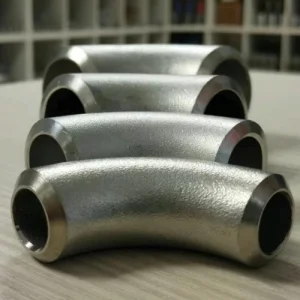
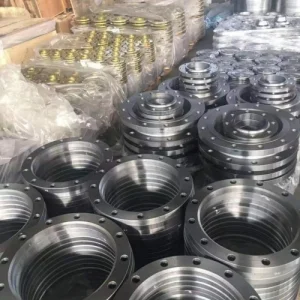
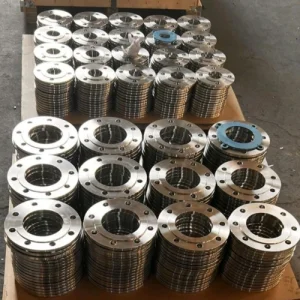
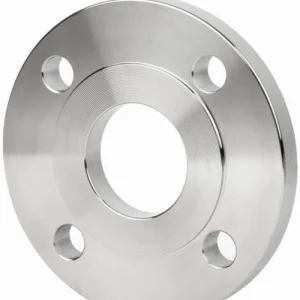
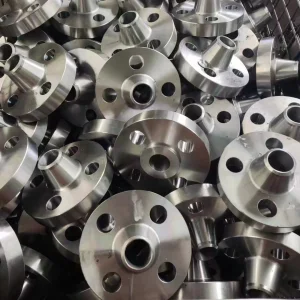
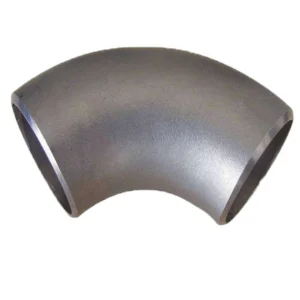
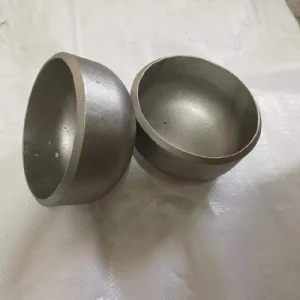
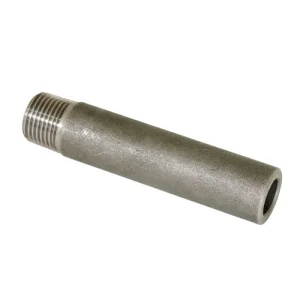
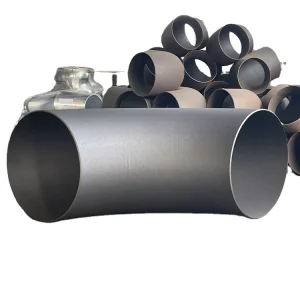
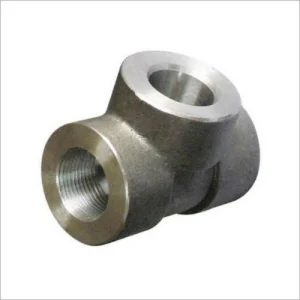
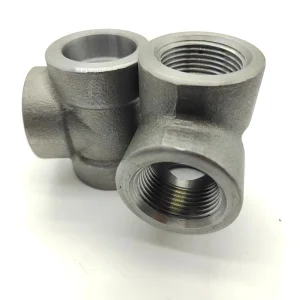
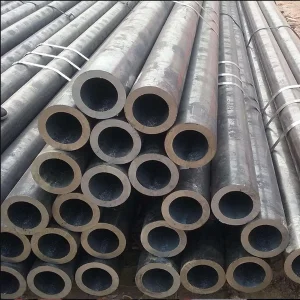
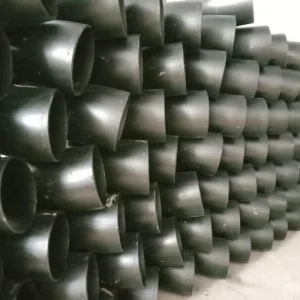
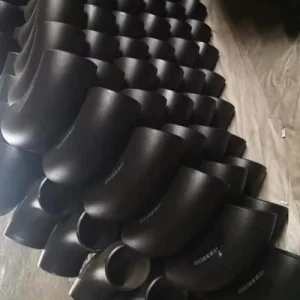
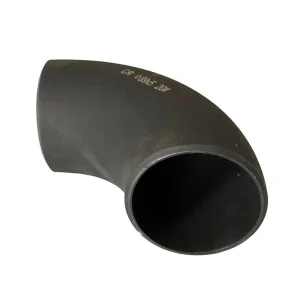
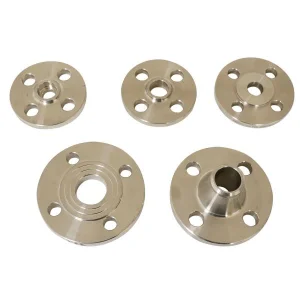
Complete your piping material take-off with our comprehensive range of matched flanges, short radius elbows, butt-weld caps, and forged nipples.
6. Frequently Asked Questions (FAQ) for Engineering & Procurement Teams
Find authoritative technical answers to common questions regarding black plastic pipe selection, pressure calculations, field joining, and supplier evaluation.