
Top-Tier Industrial Pipeline & Valve Catalog (Part I)
Explore our precision-engineered stainless steel gate valves, butt-weld pipe fittings, heavy-duty flanges, and seamless steel piping systems verified under ISO 9001 quality management.
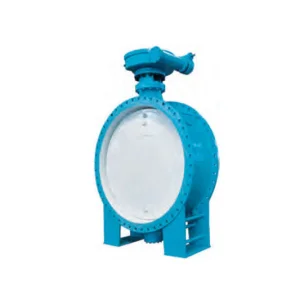
Wholesale Double eccentric flange butterfly valve D342X-10/10Q D942X-10/10Q D342AX-16 Factory, Company
View Details
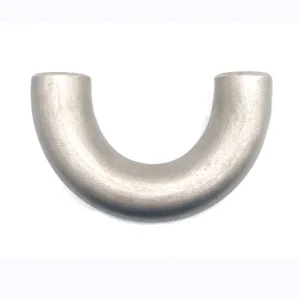
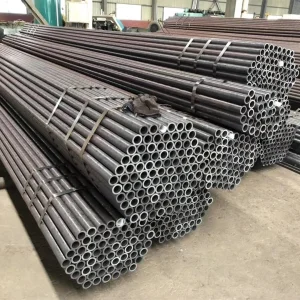
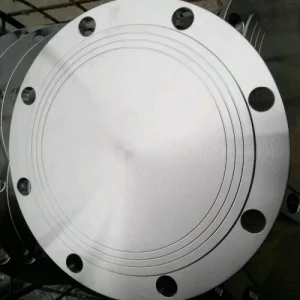
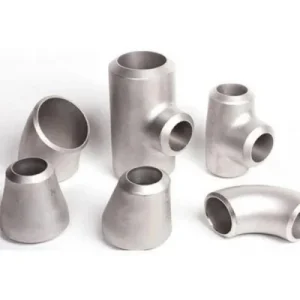
The Global Commercial & Industrial Status of Stainless Steel Gate Valves
Stainless steel gate valves represent a foundational building block of modern fluid mechanics across process industries, energy infrastructure, municipal networks, and marine engineering. Known for their bi-directional isolation capabilities, straight-through flow design, and low hydraulic resistance, stainless steel gate valves are specified in critical applications where zero-leakage, structural integrity, and resistance to aggressive chemical environments are mandatory.
As the international process industry moves toward higher operating pressures, extreme cryogenic temperatures, and increasingly corrosive fluid compositions, the global demand for high-performance stainless steel gate valves has surged. Famous manufacturers and exporters—most notably clustered within advanced manufacturing hubs like Cangzhou, China, alongside specialized foundries across North America and Western Europe—have revolutionized valve casting, forging, and CNC machining processes.
Information Gain Key Insight: Flow Economics & Energy Savings
Unlike globe or butterfly valves, a fully open gate valve leaves the flow path completely unobstructed. This results in an extremely low pressure drop coefficient (K-factor near 0.15 for full-port designs), translating directly into reduced pumping power consumption over decades of continuous refinery or municipal operation.
Petrochemical & LNG Drivers
Expansion in liquefied natural gas (LNG) export terminals, offshore floating production units (FPSO), and naphtha cracking facilities requires stainless steel gate valves tested to cryogenic standards (BS 6364) and high pressure classes (Class 600 to 2500 / PN100 to PN400).
- Extended bonnet designs for cryogenic service down to -196°C
- API 600 heavy-wall wall thickness for severe pressure surges
Fugitive Emission Regulation
Environmental mandates across North America and the EU (such as EPA Method 21 and the EU Industrial Emissions Directive) demand gate valve packing systems certified to API 622, API 641, and ISO 15848-1 Class AH.
- <100 ppm fugitive methane/VOC leakage thresholds
- Live-loaded graphite & PTFE stem packing arrangements
Digital Transformation & Automation
Modern plant operators demand smart stainless steel gate valves equipped with intelligent electric or pneumatic actuators capable of MODBUS, HART, or PROFIBUS communication for real-time diagnostic reporting.
- Torque profile tracking to detect seat galling before failure
- Integration with SCADA systems for automated emergency shut-off
Material Science & Mechanical Construction of SS Gate Valves
The durability of a stainless steel gate valve relies on precise metallurgical formulations and strict mechanical tolerances during casting, forging, and seat hardfacing. Leading exporters utilize computer-aided casting simulations (ProCAST) to eliminate internal porosity, micro-cracks, and structural inclusions.
| Material Grade | UNS / ASTM Code | PREN Rating | Operating Temperature Range | Recommended Fluid Media & Environments |
|---|---|---|---|---|
| Austenitic SS 304 / 304L | UNS S30400 / S30403 CF8 / CF3 |
18.0 - 20.0 | -196°C to +538°C | Freshwater, municipal sewage, nitric acid, food-grade processing, mild steam service. |
| Austenitic SS 316 / 316L | UNS S31600 / S31603 CF8M / CF3M |
23.0 - 25.0 | -196°C to +600°C | Seawater, acetic acid, phosphoric acid, chloride-bearing fluids, pulp & paper processing. |
| Duplex Stainless 2205 | UNS S31803 / S32205 CD3MN / 4A |
32.0 - 35.0 | -50°C to +300°C | Brine concentrate, reverse osmosis desalination, marine topside oil & gas, acidic oil fields. |
| Super Duplex SS 2507 | UNS S32750 / S32760 CE3MN / 5A |
> 42.0 | -50°C to +250°C | High-chloride offshore injection water, harsh geothermal fluids, flue gas desulfurization (FGD). |
| Super Austenitic 6Mo (254 SMO) | UNS S31254 CK3MCn |
> 43.0 | -196°C to +400°C | Chlorine dioxide bleaching lines, extreme offshore subsea piping, high-concentration halide solutions. |
Structural Anatomy of High-Performance Gate Valves
A premier stainless steel gate valve engineered by top exporters consists of several critical components manufactured to stringent dimensions:
1. Wedge Configurations
Flexible Wedge: Cast with a narrow slot around its perimeter, enabling slight elasticity to overcome thermal binding in high-temperature pipelines.
Solid Wedge: Simple, single-piece structure ideal for turbulent or two-phase flow conditions.
2. Seat Overlay & Hardfacing
To prevent seat galling under high differential pressures, valve seats are overlay-welded with Stellite 6 (Cobalt-Base Alloy) or Tungsten Carbide, maintaining a minimum hardness of 38-42 HRC even at temperatures exceeding 400°C.
3. Stem Mechanics (OS&Y)
Outside Screw and Yoke (OS&Y) designs keep stem threads external to the process fluid, preventing thread corrosion and fluid contamination while providing clear visual indication of open/closed status.
Technology Roadmap: Next-Generation Stainless Steel Gate Valves
As industrial automation, decarbonization, and environmental sustainability reshape process engineering, famous SS gate valve manufacturers are implementing advanced R&D initiatives to enhance durability and intelligence.
Additive Manufacturing & Prototyping
Utilization of 3D metal printing (Selective Laser Melting) to produce complex inner body channels, reducing turbulent eddy currents by up to 18%.
Smart Stem Sensor Integration
Embedding wireless piezo-electric vibration and strain sensors directly into the valve stem to enable predictive maintenance and wear tracking.
Zero-Fugitive Nano-Coatings
Applying Diamond-Like Carbon (DLC) and ceramic nanostructured coatings on packing stems, reducing friction while maintaining ISO 15848 Class CC compliance.
Green Hydrogen Severe Service
Engineered high-nickel stainless steels and specialized barrier packings designed to eliminate hydrogen embrittlement and micro-atomic permeation.
Localized Application Scenarios & Macro Industry Solutions
Different industrial sectors present unique pressure, thermal, and chemical challenges. Famous manufacturers design bespoke stainless steel gate valve solutions tailored to specific regional and environmental requirements.
Middle East Hydrocarbon Refineries
High ambient temperatures coupled with sour crude containing elevated H2S and CO2 levels require SS 316L or Duplex 2205 gate valves compliant with NACE MR0175 / ISO 15156.
- Stress corrosion cracking (SCC) mitigation
- Flanged ends to ASME B16.5 Class 300 to Class 1500
North American & EU Bio-Pharma Lines
Clean-in-Place (CIP) and Sterilize-in-Place (SIP) systems demand ultra-polished 316L stainless steel gate valves with low internal surface roughness (Ra < 0.4 µm).
- Zero dead-leg cavity body designs
- FDA-approved PTFE / EPDM resilient seats
SWRO Desalination Plants
Seawater Reverse Osmosis (SWRO) high-pressure pump isolation lines utilize Super Duplex 2507 gate valves to withstand crevice corrosion in chloride concentrations over 35,000 ppm.
- High PREN values (>42) preventing localized pitting
- Lightweight compact design options for offshore skids
Cangzhou Manufacturing Ecosystem: Procurement & Total Cost of Ownership (TCO)
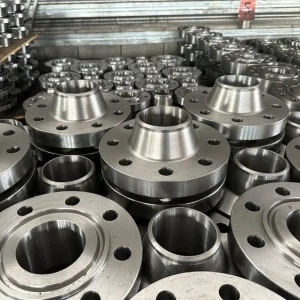
As one of China's primary pipeline equipment clusters, Cangzhou manufacturers leverage integrated raw material supply chains, certified steel foundries, and on-site testing laboratories. By procuring complete piping packages—matching stainless steel gate valves with seamless pipe, elbows, tees, and flanges—EPC contractors achieve up to 22% savings in freight, inspection overhead, and procurement cycle times.
Frequently Asked Questions (FAQ) & Expert Insights
In-depth answers to critical technical questions asked by procurement directors, piping engineers, and plant operators when selecting stainless steel gate valves.
Top-Tier Industrial Pipeline & Valve Catalog (Part II)
Complete your engineering procurement package with certified carbon steel tees, forged fittings, RTJ flanges, and stainless steel expansion compensators directly from our manufacturing facility.
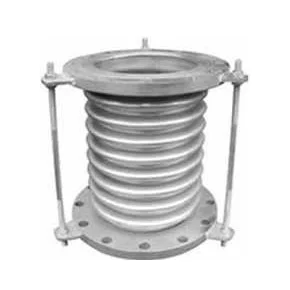
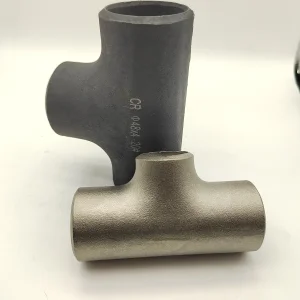
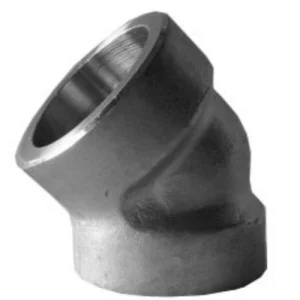
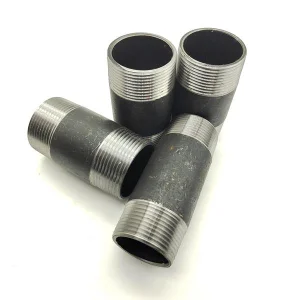
High-Quality High Quality Carbon Steel Galvanized Threaded Nipple Manufacturers, Service
View Details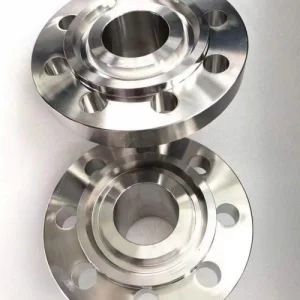
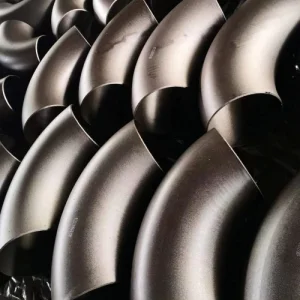
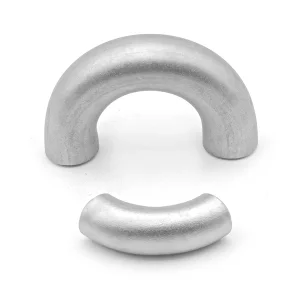
China Pipe Fittings Bend Seamless Butt Welded B/W 90 Degrees Elbows Factories, Companies
View Details