
High-Performance Piping & Valve Inventory
Explore our precision-engineered stainless steel butterfly valves, flanges, elbows, and industrial pipeline fittings built for critical process applications.
Global Stainless Steel Butterfly Valve Market Analysis & Sourcing Shift
Strategic insights for procurement directors, EPC contractors, and plant engineering leads navigating fluid control infrastructure in 2026 and beyond.
The Evolution of Industrial Fluid Control Sourcing
The global demand for high-performance Stainless Steel (SS) butterfly valves is undergoing a structural transformation. Modern industrial facilities—ranging from megascale LNG liquefaction terminals and desalination complexes to fine chemical processing plants—are phasing out conventional legacy iron and cast carbon steel valves in favor of advanced corrosion-resistant austenitic, duplex, and super duplex stainless steel flow control systems.
Procurement teams seeking out famous SS butterfly valve suppliers & companies are no longer evaluating vendors purely on unit price. Strategic sourcing mandates now focus on Total Cost of Ownership (TCO), zero-fugitive emission performance (ISO 15848-1 compliance), safety integrity level certification (SIL 3), and verified material metallurgy (PMI testing with full MTR traceability to EN 10204 3.1/3.2).
Key Sourcing Takeaway for EPCs
Evaluating enterprise valve manufacturers requires looking beyond surface-level mechanical ratings. Leading stainless steel butterfly valve suppliers combine precision CNC machining, finite element analysis (FEA) for torque optimization, and automated robotic stellite hardfacing to deliver bi-directional zero-leakage performance under extreme temperature ranges (-196°C to +650°C).
Technical Taxonomy & Stainless Steel Metallurgy Breakdown
Understanding mechanical offset kinematics, seat engineering, and alloy selection for critical process environments.
Concentric (Zero Offset) SS Valves
Designed for low-pressure water, utility, and sanitary applications. The disc shaft centers on the valve seat. Features resilient soft seats (EPDM, NBR, PTFE) molded into an SS304 or SS316 body, offering low torque and bubble-tight shut-off.
Double Eccentric (High Performance)
Features two shaft offsets to lift the disc off the seat during rotation, dramatically reducing seat friction and wear. Ideal for medium-pressure chemical lines, district heating, and water treatment under Class 150/300 pressure ratings.
Triple Offset (TOBV) Zero Leakage
Incorporates an inclined conical sealing axis (third offset) eliminating all rubbing during rotation. Engineered with laminated stainless steel and graphite seats or solid metal seals for fire-safe, bi-directional Class VI tight shut-off up to Class 600/900.
Stainless Steel Material Grade Comparison Matrix
| ASTM Grade | UNS Designation | EN Standard | PREN Value | Recommended Process Media | Temperature Operating Range |
|---|---|---|---|---|---|
| CF8 (SS304) | J92600 | 1.4308 | ~19.0 | Potable water, HVAC, light industrial fluids, dilute nitric acid | -196°C to +425°C |
| CF8M (SS316) | J92900 | 1.4408 | ~25.0 | Phosphoric acid, marine environments, steam lines, organic solvents | -196°C to +600°C |
| CF3M (SS316L) | J92800 | 1.4404 | ~25.0 | Corrosive chemical batching, welded piping headers, pharma pure water | -196°C to +450°C |
| Duplex 2205 | J92205 / S31803 | 1.4462 | ≥ 34.0 | High-chloride brine, seawater desalination, offshore platform topsides | -50°C to +300°C |
| Super Duplex 2507 | J93411 / S32750 | 1.4410 | ≥ 42.0 | Sour gas (H2S), concentrated sulfuric/hydrochloric acids, subsea flowlines | -50°C to +250°C |
| CK3MCuN (254 SMO) | J93254 | 1.4547 | ≥ 43.0 | Flue gas desulfurization (FGD), bleach plants, hyper-saline environments | -100°C to +400°C |
Macro Industry Solutions & Process Integration
How famous SS butterfly valve manufacturers engineer specialized flow solutions across challenging global industrial sectors.
Petrochemical & Hydrocarbon Refining
Refining environments require valve assemblies capable of handling aggressive sulfur compounds, hydrogen blistering, and rapid thermal cycling. Triple offset stainless steel butterfly valves featuring extended bonnets and graphite packing guarantee fire-safe performance certified under API 607 and ISO 10497. They minimize pressure drop across catalyst regeneration loops and heavy gas oil lines.
Reverse Osmosis & Seawater Desalination
Desalination plants face severe pitting and crevice corrosion due to high chloride concentrations. Leading suppliers provide Duplex 2205 and Super Duplex 2507 disc and body castings paired with vulcanized EPDM seats. This eliminates galvanic coupling and extends service life beyond 25 years without seat degradation or wall thinning.
LNG Liquefaction & Cryogenic Terminals
Transporting Liquefied Natural Gas at -161°C demands valves designed with extended stainless steel necks to keep packing glands away from cryogenic liquids. Stainless steel (CF8M/CF3M) valves undergoes liquid nitrogen cold-soak testing (-196°C) to verify mechanical seat integrity, zero thermal binding, and seal resilience before field deployment.
Biopharmaceutical & Ultra-Pure Water
Hygiene-critical industries demand ultra-smooth internal flow passages. Polished SS316L body constructions with mirror-finish disc surface roughness (Ra < 0.4 μm) prevent bacterial adherence and contamination. FDA-compliant PTFE/TFM seats ensure smooth clean-in-place (CIP) and sterilize-in-place (SIP) cycles.
The Future of Smart Valve Engineering
How digital twins, additive manufacturing, and advanced actuation are reshaping stainless steel butterfly valve performance.
1. Smart Actuation & IoT Diagnostics
Next-generation SS butterfly valves integrate digital positioners with HART, PROFIBUS, or WirelessHART protocols. Real-time monitoring of stem torque curves, pneumatic supply pressure, and partial stroke testing (PST) enables predictive maintenance, eliminating unscheduled plant shutdowns.
2. CFD Flow Optimization & Additive Discs
Utilizing Computational Fluid Dynamics (CFD), manufacturers engineer streamlined, hydrodynamically contoured valve discs that maximize flow coefficient (Cv) values while drastically reducing pressure loss, turbulence, and acoustic noise generation.
3. Advanced Surface Coatings
High-velocity oxygen fuel (HVOF) thermal spray technology applies Tungsten Carbide and Chromium Carbide coatings to stainless steel sealing elements. This yields surface hardness up to 70 HRC, protecting valves against erosive slurry wear and high-velocity cavitation.
How to Evaluate & Audit Famous SS Butterfly Valve Suppliers
A rigorous quality audit checklist for enterprise procurement heads to verify manufacturing capability, testing rigor, and compliance integrity.
1. Manufacturing Quality Systems & Certifications
When selecting a tier-1 stainless steel butterfly valve company, audit their compliance against international quality standards. Must-have credentials include:
- ISO 9001:2015 Quality Management Systems
- API Spec 609 Specification for Butterfly Valves (Double Flanged, Lug and Wafer)
- PED 2014/68/EU Module H Pressure Equipment Directive certification for European exports
- SIL 3 Rating (IEC 61508) Safety Integrity Level for automated Emergency Shutdown (ESD) valves
- API 607 / ISO 10497 Fire Test Certification for soft and metal seated valve designs
2. Non-Destructive Examination (NDE) & Testing Rigor
Top-tier suppliers conduct comprehensive in-house testing to validate material chemistry and mechanical pressure ratings prior to dispatch:
- Positive Material Identification (PMI): XRF spectrographic verification of elemental alloy percentages (%Cr, %Ni, %Mo).
- Pressure Testing (API 598 / ISO 5208): Shell hydrostatic testing at 1.5x PN rating and high-pressure seat air testing.
- Radiographic & Dye Penetrant Testing: 100% NDE on pressure-containing SS castings to detect subsurface porosity or hot tears.
- Helium Mass Spectrometer Leak Testing: Mandatory for vacuum service and ultra-clean gas distribution networks.
Enterprise Supplier Evaluation Checklist
Use these evaluation criteria during vendor pre-qualification audits:
Does the supplier maintain investment casting foundries and 5-axis CNC machining centers to ensure tight disc-to-seat tolerances?
Are stem sealing arrangements certified under ISO 15848-1 Class AH/BH for toxic chemical containment?
Does the manufacturer furnish EN 10204 3.1 material certificates, hydro-test reports, and localized export compliance documents?
Availability of factory spare parts kits (seats, packing, seals) and rapid field technician dispatch SLAs.
Localized Support & Global Compliance Guarantees
Aligning valve manufacturing with international engineering standards and regional pressure vessel codes.
American Standard Alignment
Fully compliant with ASME B16.34 (Valves Threaded, Flanged, and Welding End), ASME B16.5 / B16.47 (Flanges), and API 609 dimensional standards for seamless replacement in North American and Middle Eastern projects.
European Union Directives
Engineered to meet EN 593 dimensional parameters, EN 12516 pressure containment rules, and CE-PED 2014/68/EU certification for safe deployment across European chemical hubs and district heating grids.
Japanese & Asian Standards
Manufactured to JIS B2032 and JIS B2002 standards, supporting Asian shipbuilding yards, energy complexes, and industrial plants requiring strict Japanese industrial conformance.
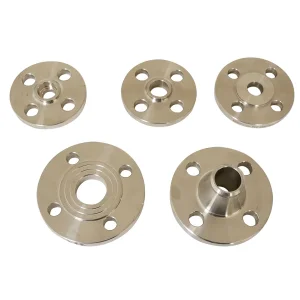
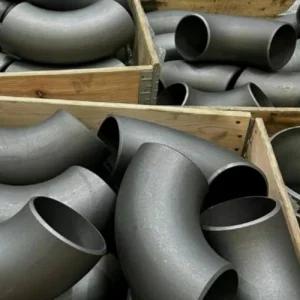
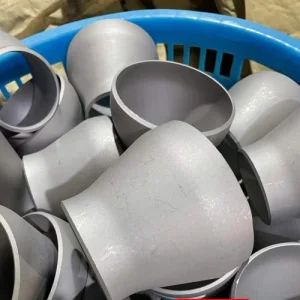
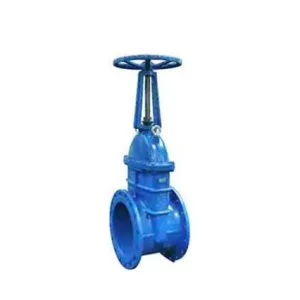
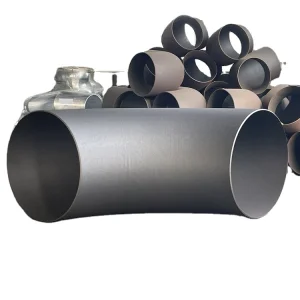
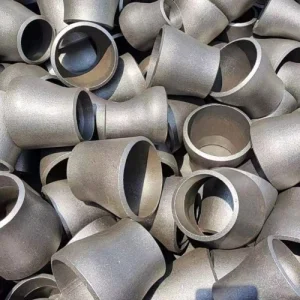
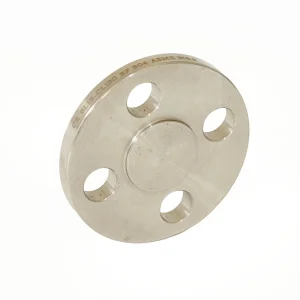
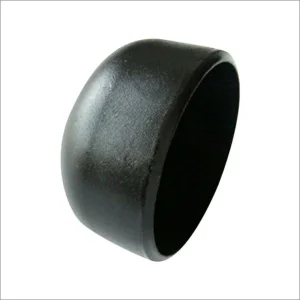
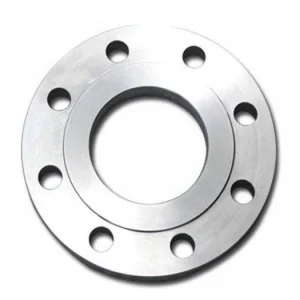
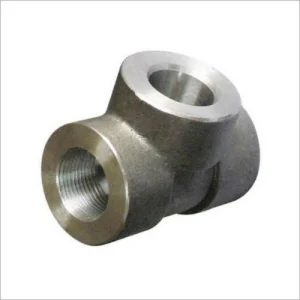
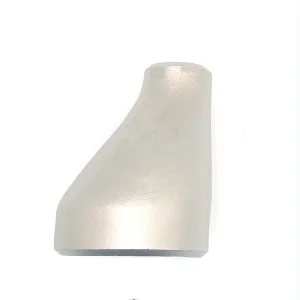
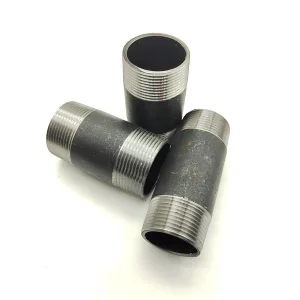
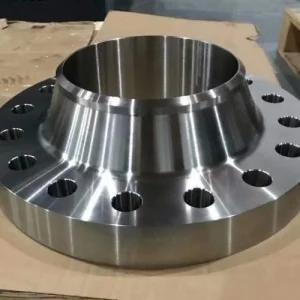
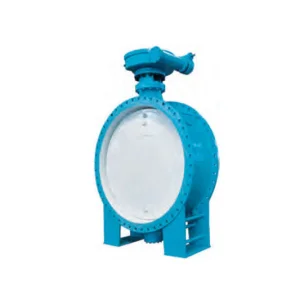
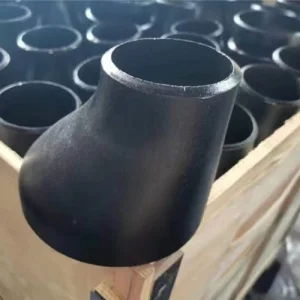
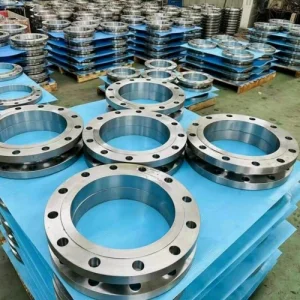
Industrial Flanges, Fittings & Valve Hardware
Integrate certified stainless steel and alloy piping components engineered to matching dimensional standards.
Frequently Asked Technical & Sourcing Questions
In-depth answers to critical technical questions asked by valve engineers, project buyers, and quality control auditors.
What defines a famous SS butterfly valve supplier or company in global enterprise procurement?
How do I select between SS304 (CF8), SS316 (CF8M), and Duplex 2205 for butterfly valve body material?
What is the difference between soft seated and metal seated stainless steel butterfly valves?
Metal Seated Valves feature laminated stainless steel/graphite seals or solid metal seats (hardfaced with Stellite). Designed for extreme temperatures (-196°C to +650°C), abrasive slurries, high-pressure steam, and fire-safe API 607 applications where soft elastomers would degrade or melt.