
High-Precision Piping Components & Flange Assemblies
Engineered for seamless integration into high-rise soil stack systems, industrial process headers, and gravity drainage networks.
Executive Summary: The Evolution of High-Performance Soil Stack Infrastructure
Analyzing modern municipal growth, fluid dynamics challenges, and global procurement trends in gravity drainage architecture.
In contemporary civil engineering and commercial architecture, the soil stack pipe system serves as the primary vertical artery for sanitary wastewater and blackwater conveyance. As urbanization accelerates globally, high-rise residential towers, multi-tenant commercial centers, and specialized industrial facilities demand unprecedented performance from vertical drainage risers. A soil stack is not merely a conduit; it is a complex thermodynamic and hydraulic balance system designed to transport mixed-phase fluids (liquid, solids, and air) while maintaining critical water seals in fixture traps to eliminate noxious gas backflow.
Global Procurement Shifts & Supply Chain Realities
Over the past decade, civil contractors and Mechanical, Electrical, and Plumbing (MEP) procurement leaders have transitioned away from localized, fragmented supply chains toward integrated manufacturing giants. Enterprise buyers seeking famous soil stack pipe suppliers & exporters prioritize manufacturers capable of offering multi-standard compliance (ANSI/ASME, EN/DIN, JIS, and GB standards), rigorous non-destructive testing (NDT), and standardized flange and fitting integration within a singular export framework.
Companies like HEBEI CANGRUN PIPELINE EQUIPMENT CO., LTD.—operating along with major production hubs in Cangzhou such as Cangzhou Feiwo Metal Products Co., Ltd. and Cangzhou Feixiang Metal Products Co., Ltd.—have established comprehensive manufacturing ecosystems. By combining seamless carbon steel, stainless steel fittings, heavy-wall forged flanges, and hubless soil stack pipes, these enterprise clusters resolve supply chain friction for global Engineering, Procurement, and Construction (EPC) firms.
Metallurgical Specifications & Standard Compliance Architecture
Selecting the appropriate alloy matrix, internal coating technology, and standard baseline for vertical soil stacks.
Cast Iron EN 877 / ASTM A888
Gray iron centrifugal casting with graphite flake orientation provides superior acoustic dampening (vibration suppression) and non-combustibility (Class A1 fire rating), making it the gold standard for high-rise soil risers.
Stainless Steel 304L / 316L
For aggressive commercial effluent, chemical labs, and pharmaceutical manufacturing drainage, heavy-gauge welded and butt-weld stainless steel pipes eliminate pitting and stress-corrosion cracking across pH extremes.
Protective Epoxy Lining Systems
Advanced cross-linked polyurethane and dual-layer epoxy coatings applied internally (240 μm nominal thickness) lower hydraulic friction factors (Manning’s n = 0.009) and prevent biological slime build-up.
| Material Standard | Nominal Size Range | Tensile Strength (MPa) | Thermal Expansion Coeff. | Primary Global Application |
|---|---|---|---|---|
| EN 877 / BS EN 877 | DN 40 – DN 300 | ≥ 200 MPa | 0.0105 mm/(m·K) | European Commercial & Super Tall High-Rise Risers |
| ASTM A888 / CISPI 301 | 1.5" – 15" (DN40-DN375) | ≥ 145 MPa | 0.0110 mm/(m·K) | North American Hubless Soil & Vent Systems |
| ASTM A312 / A403 (304L/316L) | 1/2" – 24" (DN15-DN600) | ≥ 485 MPa | 0.0165 mm/(m·K) | Chemical Waste, Industrial Effluent & Offshore Platforms |
| JIS G5525 / GB/T 12772 | DN 50 – DN 300 | ≥ 150 MPa | 0.0108 mm/(m·K) | Asian Infrastructure, Mixed-Use & Municipal Projects |
Macro Industry Solutions & Global Enterprise Procurement Needs
Resolving complex engineering MTO challenges, port bottlenecks, and material consolidation for large-scale developments.
Procurement directors overseeing multi-million-dollar piping projects face a delicate trilemma: balancing strict metallurgical compliance, controlling freight logisitics risk, and maintaining schedule integrity. The global export landscape requires suppliers to deliver more than just raw pipe lengths; modern soil stack solutions require total component interoperability.
1. Integrated Material Take-Off (MTO) Engineering
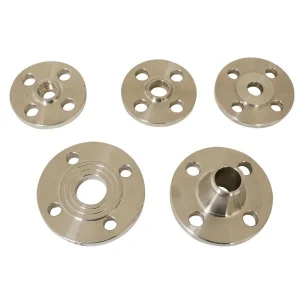
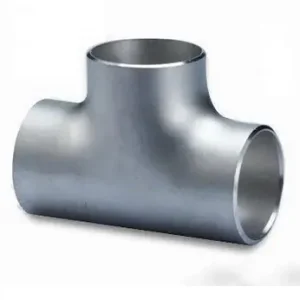
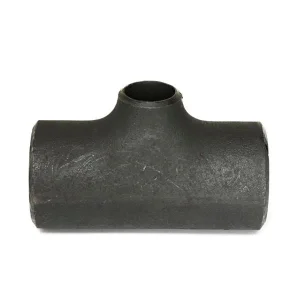
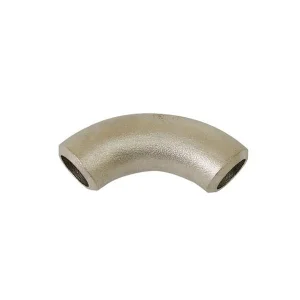
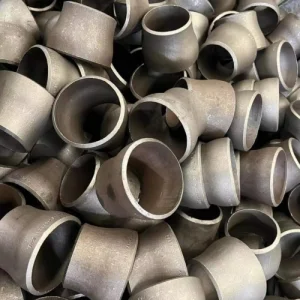
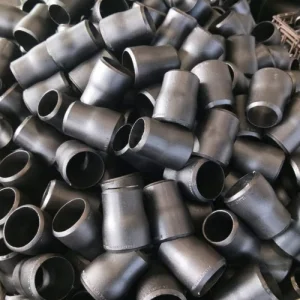
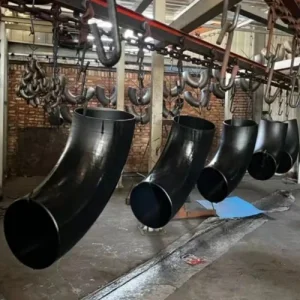
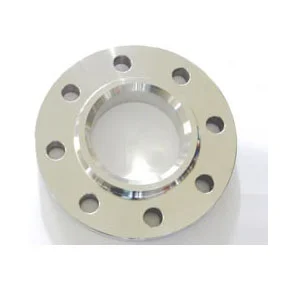
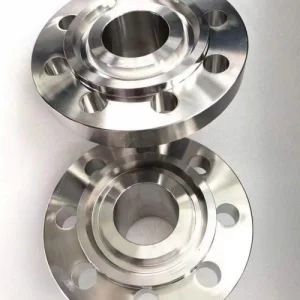
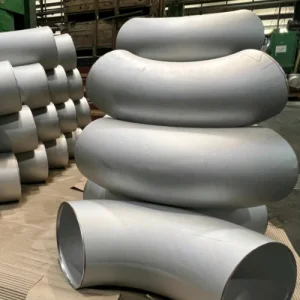
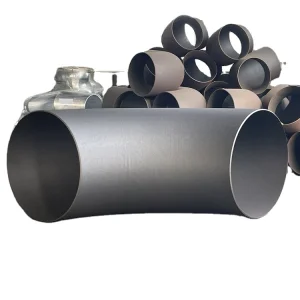
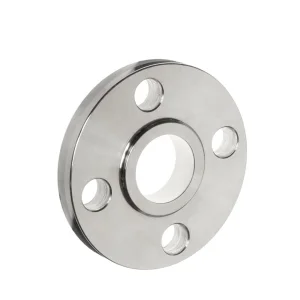
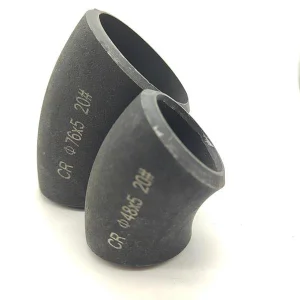
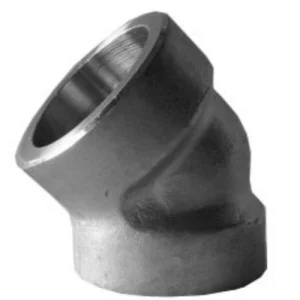
A frequent point of failure in vertical drainage installation occurs at the interface between the primary vertical stack and lateral branch lines. Soil stack offsets require precise fittings—such as 45-degree long-radius elbows, equal tees, concentric reducers, and eccentric offsets—to prevent hydraulic jumps. Enterprise procurement relies on suppliers like Cangrun Pipe to supply certified matching components (ASME B16.9 butt-weld tees, forged slip-on flanges, and DIN cast flanges) within a singular quality assurance envelope.
2. Freight Optimization & Anti-Corrosion Packaging
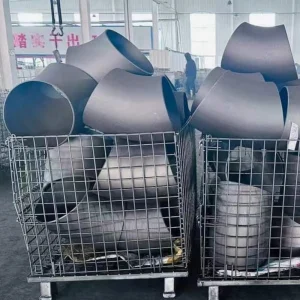
Soil stack pipes and bulk fittings are vulnerable to coastal maritime corrosion, deformation of bevel ends, and physical impact during transit. Reputable Chinese exporters implement multi-stage packaging protocols: end-caps on pipe bevels, rust-inhibitive VCI (Vapor Corrosion Inhibitor) wrapping, heavy-duty wooden crates, and optimized container nesting strategies that reduce volumetric ocean freight charges by up to 18%.
3. Navigating International Trade Surcharges & Port Disruptions
As ocean carriers periodically issue Peak Season Surcharges (PSS) and port congestions affect European and American trade lanes, global buyers require responsive export partners. Cangrun Pipeline Equipment maintains active monitoring of global ocean logistics, offering FOB, CIF, DDP, and CFR terms structured to shelter clients from sudden shipping rate volatility.
Fluid Dynamics & Pneumatic Balance in High-Rise Soil Risers
Understanding terminal velocity, annular flow regimes, and air core preservation in tall building vertical stacks.
Annular Flow Mechanism
As water enters a soil stack from fixture branches, gravity accelerates the liquid downward. Instead of falling as a solid slug, surface tension forces the water to form a continuous ring (annular sheet) clinging to the inner pipe wall, leaving a central air core.
Terminal Velocity Equilibrium
Within 3 to 5 floor levels of entry, the frictional resistance of the pipe wall equals the acceleration of gravity. Water reaches terminal velocity (typically 3.0 to 4.5 m/s), preventing unlimited acceleration and stabilizing pneumatic pressure fluctuatons.
Hydraulic Jump Mitigation
Where vertical soil stacks transition to horizontal building drains, fluid rapidly decelerates, causing a sudden rise in water depth (hydraulic jump). Utilizing dual 45-degree elbows or 1.5D long-radius bends ensures smooth flow transition.
Sovent Single-Stack vs. Traditional Two-Pipe Venting Architecture
In traditional multi-story construction, a two-pipe system—comprising a primary soil stack and a secondary parallel vent stack connected at alternating floors—is installed to relieve negative pressure (siphonage) and positive pressure (blow-out). However, modern engineering increasingly specifies modified single-stack systems utilizing special de-aerator fittings (such as Sovent fittings or aerator junctions).
By breaking up the vertical water fall at each floor branch and mixing air into the flow stream, these specialized fittings eliminate the need for a separate vent stack, saving up to 45% in piping material costs and reducing floor penetration space requirements.
Localized Support & International Compliance Framework
Rigorous quality management, manufacturing footprint in Cangzhou, and global engineering assistance.
For international buyers importing piping systems into strict regulatory markets (such as the EU, North America, the GCC region, or Southeast Asia), supplier credibility hinges on verifiable certification and strict adherence to mill test reporting standard EN 10204 3.1.
Manufacturing Base: Cangzhou Industrial Cluster
Located in Hebei Province, Cangzhou is universally recognized as the epicenter of China’s pipeline equipment manufacturing industry. HEBEI CANGRUN PIPELINE EQUIPMENT CO., LTD. operates along with specialized subsidiaries, including CANGZHOU FEIWO METAL PRODUCTS CO., LTD. and CANGZHOU FEIXIANG METAL PRODUCTS CO., LTD., in the Boerzhuang Industrial Zone and Bobei Industrial Zone. This multi-factory network spans comprehensive forging, heat treatment, machining, and coating operations.
- ISO 9001:2015 Quality System: Every batch of soil stack pipes, butt-weld elbows, equal tees, and blind flanges undergoes strict dimensional, spectrographic, and hydrostatic inspection.
- Full Traceability & Mill Test Certificates (MTC): Products are supplied with EN 10204 3.1 certificates detailing chemical heat analysis, mechanical yield/tensile strength, impact testing, and non-destructive examination (UT/RT/MT).
- Localized Engineering & Technical Sales: Dedicated technical support teams assist EPC contractors in matching flange pressure classes (Class 150 to Class 2500, PN2.5 to PN400) and wall thickness schedules (SCH10 to XXS, up to 150mm wall thickness).
Technology Roadmap: The Future of Soil Stack Engineering (2025–2035)
Anticipating next-generation BIM integrations, sound-dampening composites, and sustainable low-carbon manufacturing.
1. BIM-Native Modular Stack Skids
The industry is rapidly shifting toward off-site prefabrication. Soil stacks, branch fittings, and mounting brackets are pre-assembled into 3-story modular skids using 7D BIM models, accelerating job site installation speed by up to 60%.
2. Acoustic Decoupling Hybrids
Next-generation soil stack pipes incorporate multi-layer sound insulation—combining high-density cast iron structural cores with viscoelastic damping polymers—to meet strict modern luxury residential noise standards (<25 dBA).
3. Zero-Carbon Circular Metallurgy
Leading manufacturers are transitioning to electric arc furnace (EAF) smelting utilizing 100% recycled ferrous scrap and non-toxic water-borne epoxy coatings, significantly lowering the embodied carbon footprint of piping infrastructure.
Certified Pipe Fittings, Flanges & Industrial Connections
Complete your drainage and industrial piping package with direct-from-factory components manufactured to ASTM, DIN, ANSI, and JIS standards.
Frequently Asked Questions & Technical Q&A
In-depth engineering answers regarding soil stack selection, code compliance, installation mechanics, and bulk exporting.
What is the primary difference between a soil stack pipe and a waste stack pipe?
Why is cast iron preferred over plastic (PVC/HDPE) in high-rise soil stack systems?
1. Acoustic Performance: Cast iron's dense molecular structure and graphite flake composition dampen the sound of rushing wastewater by up to 15-20 dB compared to plastic pipes.
2. Fire Safety: Cast iron is non-combustible (Class A1), does not melt, and will not emit toxic fumes or act as a chimney flue during a building fire.
3. Thermal Expansion: Cast iron expands at roughly the same rate as concrete (0.0105 mm/m·K), eliminating the need for complex expansion joints across 30+ story vertical spans.
How do hubless soil stack couplings prevent leaks under vertical thermal loading?
Which standards govern the export of carbon steel and stainless steel pipe fittings for drainage networks?
• Butt-Weld Fittings: ASME B16.9, JIS B2311/B2312/B2313, GB/T 12459, GB/T 13401, and SH/T 3408.
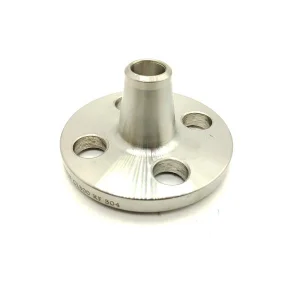
• Flanges: ASME B16.5 (Class 150 to Class 2500), EN 1092-1 / DIN (PN2.5 to PN400).
• Materials: ASTM A234 WPB/WPC for carbon steel, ASTM A403 WP304/304L/316/316L for stainless steel, and ASTM A105 for forged steel flanges.