
-
-
-
-
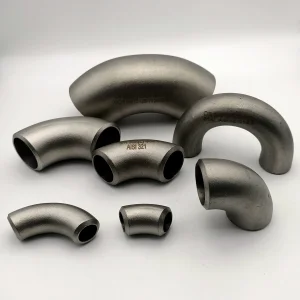
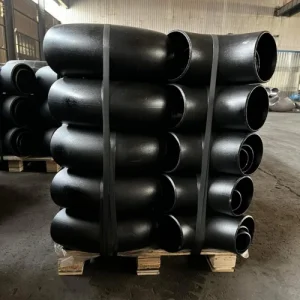
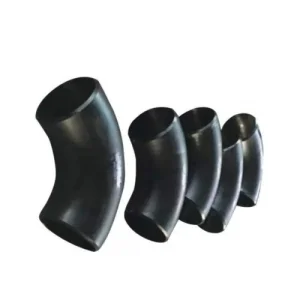
China Oil Gas and Power Generation Industries Pipe Elbow Manufacturer, Products
-
-
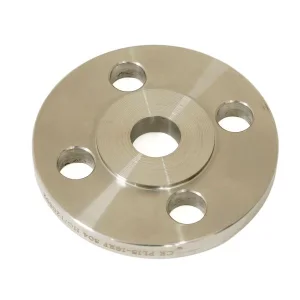
Best ANSI Standard F304/F321/F316 Stainless Steel Pn16 Forged RF Flange Factory, Exporter
-
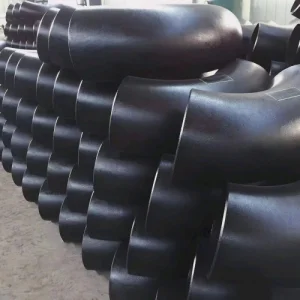
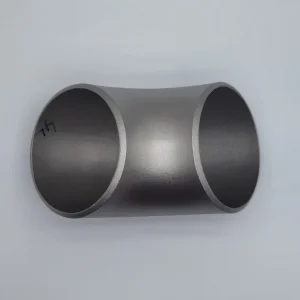
Best Butt Welded Pipe Fitting SS304L 1" Sch40 Short Radius Elbow Supplier, Suppliers
-
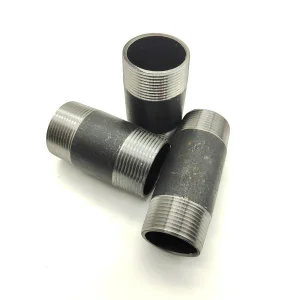
Wholesale Carbon Pipe Fitting Stainless Steel Nipple Exporters, Product
An analysis of macro-economic demand drivers, urbanization metrics, and industrial drainage modernization worldwide.
Soil pipe fittings represent the structural backbone of sanitary drainage, trade waste disposal, industrial effluent routing, and stormwater management systems globally. Unlike standard pressurized fluid conduits, soil piping networks operate predominantly under gravity flow conditions, demanding meticulous hydraulic profiling, zero-leak joint integrity, high resistance to microbial-induced corrosion (MIC), and superior structural deflection tolerances.
The global soil pipe fittings market is undergoing a rapid transition driven by aggressive urbanization across the Global South, rigorous environmental protection directives in North America and Western Europe, and massive modernization of legacy industrial plants. According to recent industrial valve and pipeline logistics analyses, demand for heavy-duty cast iron, carbon steel (ASTM A234 WPB), austenitic stainless steel (ASTM A403 WP304/316), and specialty forged soil pipe fittings is projected to expand at a CAGR of 5.8% over the next decade.
High-Rise & Mega-Structure Demand
Modern tall buildings require specialized soil stack fittings such as aerator tees, sweep bends, and expansive expansion joints to withstand severe hydraulic transients, pneumatic pressures, and acoustic vibrations caused by high-velocity vertical discharge.
Chemical & Industrial Effluents
Industrial processing facilities in petrochemical, pharmaceutical, and energy generation sectors are replacing traditional vitrified clay and unreinforced plastic lines with corrosion-resistant stainless steel (SS304L/SS316L) and heavy-wall carbon steel fittings capable of enduring aggressive thermal cycles and chemical loads.
Stringent Regulatory & Environmental Compliance
Global standards bodies (ASME, EN, JIS, GB) are enforcing strict guidelines on fugitive emissions and wastewater leakage. Soil piping networks must now comply with hydro-test pressures far exceeding legacy requirements, escalating demand for precision-engineered butt-weld and forged components.
Engineered for extreme performance: A comprehensive comparison of soil and industrial pipe fitting materials produced by Cangrun Pipeline Equipment Co., Ltd.
Select industrial applications mandate precise material grade matching between host pipes, tees, elbows, reducers, and caps. Below is an engineering reference breakdown detailing material chemistry, pressure ratings, temperature boundaries, and international standard compliance.
| Category | Material Grade Options | Dimension & Schedule Range | Applicable Standards | Primary Industrial Application |
|---|---|---|---|---|
| Carbon Steel Butt-Weld | ASTM A234 WPB, WPC, ST37, Q235, ST52 | 1/2" to 78" (DN15–DN1900) SCH10 to XXS (Max 150mm WT) |
ASME B16.9, JIS B2311/B2312, GB/T 12459, SH/T 3408 | High-pressure main soil stacks, oil & gas drainage, heavy industrial waste. |
| Stainless Steel Fittings | ASTM A403 WP304/304L, WP316/316L, 310S, 321, 317L, Duplex 2205/2507 | 1/2" to 106" (DN15–DN2700) SCH5S to SCH160 |
ASME B16.9, EN 10253, HG/T 21635, JIS B2313 | Corrosive trade waste, pharmaceutical effluent, offshore marine soil discharge. |
| Alloy Steel High-Temp Fittings | ASTM A234 WP11, WP22, WP5, WP91, WP911, 12CrMo, 15CrMo | 1/2" to 48" (DN15–DN1200) SCH40 to XXS |
ASME B16.9, GB/T 13401, SY/T 0609 | Boiler blowdown lines, thermal power plant steam condensate, hot soil drains. |
| Forged Steel & Flanges | ASTM A105, A350 LF2, F304/F316, F51 | 3/8" to 160" (DN10–DN4000) Class 150 to 2500 / PN2.5 to PN400 |
ASME B16.5, ASME B16.47, EN 1092-1, DIN standards | Cleanouts, inspection hatches, high-pressure soil manifold connections. |
Every fitting manufactured across our three facility hubs in Cangzhou (including HEBEI CANGRUN PIPELINE EQUIPMENT CO., LTD., CANGZHOU FEIWO METAL PRODUCTS CO., LTD., and CANGZHOU FEIXIANG METAL PRODUCTS CO., LTD.) undergoes strict non-destructive testing (NDT), including ultrasonic testing (UT), magnetic particle inspection (MT), and hydro-static proofing to eliminate risk of micro-fractures.
Deploying specialized soil pipe fittings across complex municipal, commercial, and heavy industrial environments.
High-Rise Commercial Towers
High-rise vertical soil stacks experience extreme kinetic forces as waste drops multiple floors. standard 90° elbows often fail due to dynamic fluid impact. Utilizing 1.5D Long Radius Carbon Steel Elbows (ASTM A234 WPB) smoothly shifts flow direction, minimizing hydraulic shock, backpressure air locks, and acoustic noise generation.
Petrochemical Refinery Effluent Drainage
Petrochemical plant soil drains carry hydrocarbons, acidic sludge, and high-temperature water washings. Standard cast iron fittings quickly degrade under solvent exposure. Heavy-wall butt-weld seamless equal tees and eccentric reducers engineered in stainless steel (SS316L) ensure chemical immunity and prevent underground toxic leaks.
Municipal Wastewater & Water Treatment Plants
Large-scale municipal soil networks require big-bore headers capable of taking massive stormwater surges. Cangrun’s custom-fabricated welded steel tees and reducers up to 78 inches (DN1900) provide the structural tensile strength needed to endure heavy earth cover loading and soil shifting without rupture.
Integrating Smart Sensors, Advanced Anti-Corrosion Coatings, and BIM-Ready Modular Pipeline Design.
The pipeline equipment industry is entering an era of digital integration and smart infrastructure. Modern soil pipe fittings are no longer passive fluid conduits; they are evolving into smart structural components integrated into Building Information Modeling (BIM) systems and digital twin municipal networks.
1. Smart Sensing Outlets
Integration of IoT-enabled ultrasonic corrosion monitoring sensors inside forged outlet fittings to measure wall thickness decay in real-time, preventing catastrophic underground soil pipe collapses.
2. Nanocomposite Epoxy Linings
Next-generation internal coatings incorporating ceramic nanoparticles and fusion-bonded epoxy (FBE) to reduce internal wall friction to near zero, eliminating bio-film buildup and scaling in soil waste lines.
3. Zero-Leak Joint Geometry
Advanced beveling and tight-tolerance machine-grooved fittings engineered specifically for robotic orbital welding, accelerating field installation speeds by up to 40% on mega-projects.
4. Low-Carbon Steel Forging
Transitioning manufacturing processes to electric arc furnace (EAF) steel production, reducing the embodied carbon footprint of pipe fittings by over 60% to meet global green construction requirements.
How EPC Contractors and Global Wholesalers Streamline Soil Pipe Fitting Quotes & Sourcing.
Procuring soil pipe fittings, flanges, valves, and steel pipes for multi-million dollar EPC contracts demands a robust procurement strategy to mitigate supply chain volatility, ocean freight surcharges, and material specification mismatches. Cangrun Pipeline provides an integrated manufacturer-direct sourcing model designed to eliminate intermediary markups and delivery delays.
1. Material Consolidation
By sourcing butt-weld fittings, forged flanges (Weld Neck, Slip-On, Blind), seamless pipes, and resilient seated gate/ball valves from a single manufacturer group in Cangzhou, buyers drastically cut shipping logistics costs and reduce customs clearance complexities.
2. Rapid Quotation & Technical Vetting
Our engineering team reviews project Material Take-Offs (MTO) within 24 hours, checking schedule compatibility (e.g., SCH40, SCH80, STD, XXS), bevel angle precision, and material test report (MTR) compliance to EN 10204 3.1 certification.
3. Freight & Freight Surcharge Mitigation
Navigating global ocean carrier rate fluctuations (such as CMA CGM, MSC, and Maersk peak season surcharges) is critical. Our export logistics department coordinates directly with port terminals to lock in container slots and optimize container volume utilization.
Expert insights directly from Cangrun Pipeline’s senior metallurgical engineers and export directors.
-
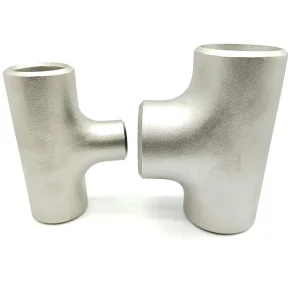
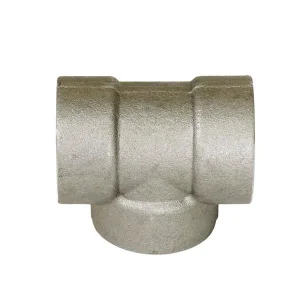
Buy 304/316L/304L/904L/321/310 Seamless Stainless Steel Pipe Fitting Tee Factories, Companies
-
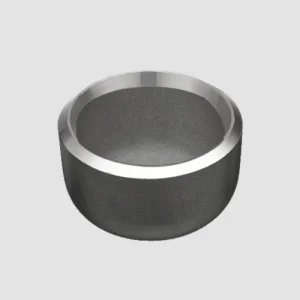
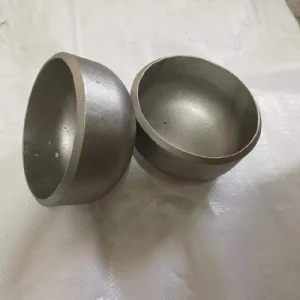
Best Stainless Steel Carbon Steel Pipe Fitting Welding Tube End Cap Factories, Products
-
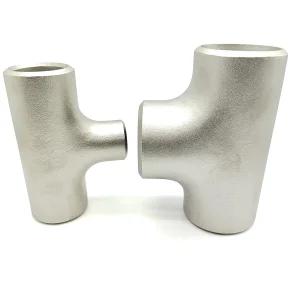
Famous ASME B16.9 A234wpb 1-48 Inch Carbon Steel Pipe Tee Seamless Factory, Companies
-
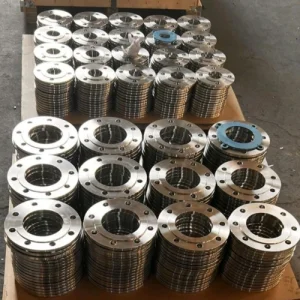
Wholesale Forged Welding Pipe Fitting Stainless Steel Flanges Manufacturer, Companies
-
-
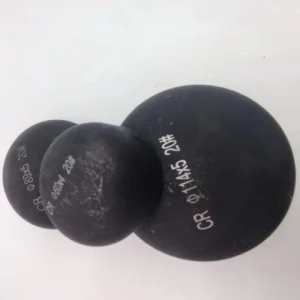
Discount Carbon Steel Pipe Fittings Cap Pricelist, Exporters
-
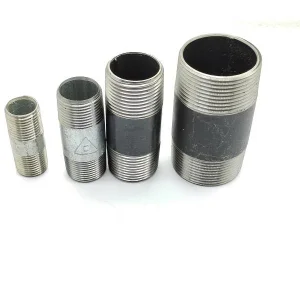
Buy DN6 DN100 Black Steel Pipe Nipples Factory Manufacturers, Companies
-
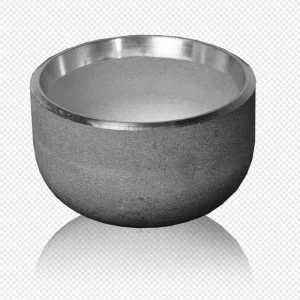
High-Quality 1 1/2" DN40 Carbon Steel Seamless Butt Weld High Pressure Cap Quotes, Exporter