Certified Heavy-Duty Valves & Piping Components
Precision-engineered flow isolation components manufactured under ISO 9001, API, and EN standards for worldwide industrial deployment.
Global Industrial Landscape of Metal Seal Gate Valves
Navigating extreme temperature, abrasive slurries, and high-pressure boundary isolation requirements across modern process energy networks.
In modern process infrastructure—encompassing mega-refineries, coal gasification plants, supercritical thermal energy stations, and LNG liquefaction trains—the isolation of hazardous, ultra-high temperature, and abrasive media demands valve technologies that far exceed the physical limitations of soft-seated elastomeric trims. Metal Seal Gate Valves represent the pinnacle of severe-service fluid mechanics, providing robust, metal-to-metal contact between the gate disc and body seat rings. Designed to perform flawlessly under thermal shocks exceeding 600°C and mechanical stresses up to ASME Class 2500, metal seated gate valves are non-negotiable critical assets in global industrial flow management.
The worldwide industrial valve market is experiencing a profound paradigm shift. Accelerating environmental regulations, such as the EPA Clean Air Act and EU Directive 2010/75/EU, alongside stringent fugitive emission standards (ISO 15848-1 Class AH and API 624), have forced EPC contractors and system integrators to phase out compromised elastomer-seated designs in favor of precision-machined metal seal configurations. Premium exporters and engineering partners must not only offer dimensional fidelity to API 600, API 6D, and ASME B16.34 standards, but also master metallurgical hardfacing processes such as Cobalt-base Stellite overlaying, Tungsten Carbide High-Velocity Oxygen Fuel (HVOF) thermal spraying, and Nickel-base alloy cladding.
The Information Gain Advantage in Severe-Service Isolation
Modern industrial buyers require verifiable engineering metrics rather than generic marketing claims. When specifying metal seal gate valves, decision-makers evaluate the exact seating hardfacing thickness (typically ≥ 1.6 mm after final grinding), seat leakage classification according to ISO 5208 Rate A or ANSI/FCI 70-2 Class V/VI, and thermal expansion differential coefficients between stem (e.g., 17-4PH or Inconel 718) and wedge materials. HEBEI CANGRUN PIPELINE EQUIPMENT CO., LTD. delivers complete metallurgical transparency, certified non-destructive testing (NDT), and traceable supply chain verification across all production runs.
Engineering Architecture & Future Metallurgy
Exploring structural variations, advanced hardfacing thermal spraying, and smart predictive diagnostic integration in metal seated gate valve design.
Flexible & Solid Wedge Kinematics
Precision-ground wedge dynamics engineered with differential taper angles (typically 5° to 10° included angle). Flexible wedge designs compensate for thermal pipe stress binding and body deformation without sacrificing metal seat sealing integrity.
Advanced Hardfacing & HVOF Cladding
Utilizing Plasma Transferred Arc (PTA) welding and HVOF processes to apply Stellite No. 6, Cobalt Alloy 21, or Chromium Carbide coatings. Achieves a surface hardness of 40–52 HRC, preventing galling, cavitation erosion, and micro-particle gouging.
IIoT Smart Valve Monitoring & Diagnostics
Integration of non-intrusive stem load sensors, acoustic emission leak detection, and digital positioners. Enables real-time seat degradation tracking, operational torque trending, and predictive maintenance scheduling before failure occurs.
Next-Gen Technology Roadmap (2025–2035)
The future of metal seated gate valves resides in additive manufacturing of internal trim geometry and multi-layered alloy gradient deposition. Direct Energy Deposition (DED) 3D printing allows for internal conformal cooling channels within massive forged gate blocks, mitigating thermal stress concentration during emergency shut-down (ESD) scenarios in ultra-critical hydrocracking units. Furthermore, smart self-healing nanostructured ceramic-metal matrix coatings (NiCrBSi-WC) are setting new benchmarks for corrosion-erosion resistance in geothermal brine and hydrogen production facilities.
Localized Application Scenarios & Engineering Field Uses
Tailored valve solutions designed to survive severe chemical, petrochemical, and power generation conditions worldwide.
Petrochemical & Refining (Delayed Coking / FCCU)
Fluid Catalytic Cracking Units (FCCU) and Delayed Coking systems generate heavy hydrocarbon residues laden with abrasive catalyst fines at temperatures exceeding 550°C. Metal seated slab gate valves with automatic steam purging systems eliminate media entrapment in the body cavity while maintaining tight zero-leakage shutoff.
Supercritical Thermal Power Plants
Main steam isolation lines operating under ASME Class 1500 to 2500 pressure parameters require heavy forged alloy (ASTM A182 F91 / F92) metal seal gate valves. These valves resist thermal fatigue, steam washing, and creep deformation during rapid plant startup and emergency shutdown cycles.
Sour Gas Gathering & Upstream Offshore (NACE MR0175)
High-pressure natural gas streams containing H2S and CO2 cause rapid sulfide stress cracking (SSC) and hydrogen-induced cracking (HIC) in standard alloys. Metal seal gate valves built from duplex stainless steel (UNS S31803 / S32750) or Nickel Alloy 625 meet NACE MR0175 standards for sour oilfield isolation.
China's Manufacturing Synergy & Cangzhou Industrial Cluster
Integrated raw material access, precision forging, hydrostatic testing, and global logistics efficiency from Hebei's leading pipeline ecosystem.
In global industrial procurement, long lead times, fragmented supplier tiers, and volatile ocean logistics pose significant operational risks. As a premier industrial valve manufacturer and exporter based in Cangzhou, Hebei Province, HEBEI CANGRUN PIPELINE EQUIPMENT CO., LTD.—alongside its specialized manufacturing subsidiaries CANGZHOU FEIWO METAL PRODUCTS CO., LTD. and CANGZHOU FEIXIANG METAL PRODUCTS CO., LTD.—provides an unmatched vertically integrated supply chain architecture.
The Cangzhou industrial pipeline cluster accounts for a substantial percentage of China’s high-pressure pipe fittings, flanges, and severe-service valve exports. This regional concentration yields unique competitive advantages:
- Raw Material & Metallurgy Control: Immediate access to premier steel mills (Baosteel, TPCO, Tsingshan) ensures fully traceable ASTM A216 WCB, A351 CF8M, A182 F316, and A105 raw material stock with complete EN 10204 3.1 chemical & mechanical certifications.
- In-House Full-Process Manufacturing: From heavy forging presses and precision 5-axis CNC machining centers to high-velocity thermal spraying (HVOF) and automated hydrostatic testing benches up to 700 bar.
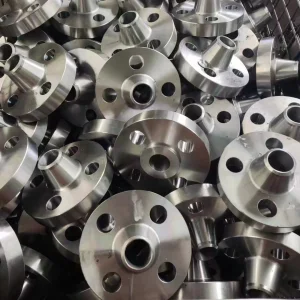
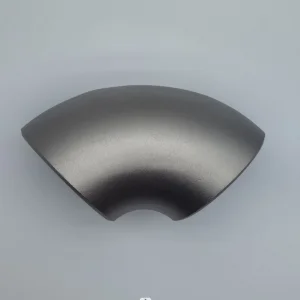
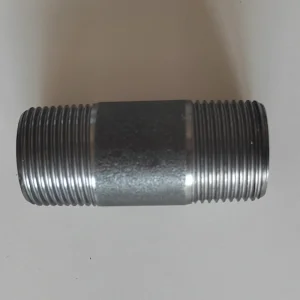
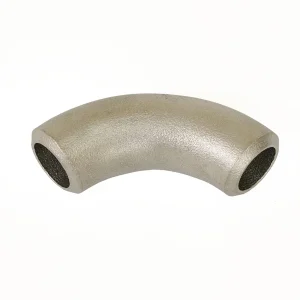
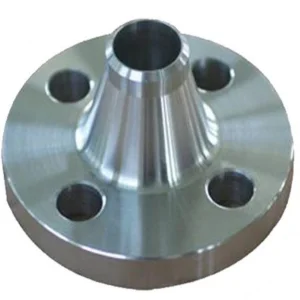
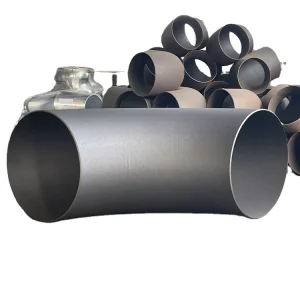
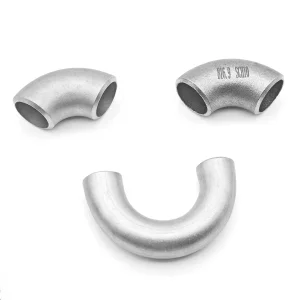
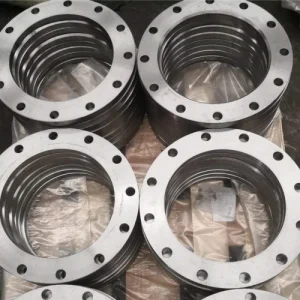
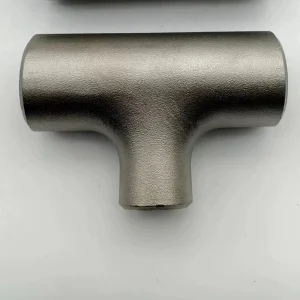
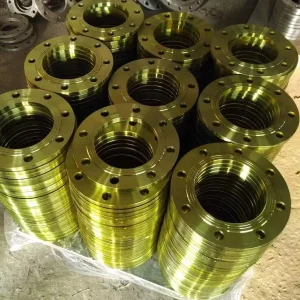
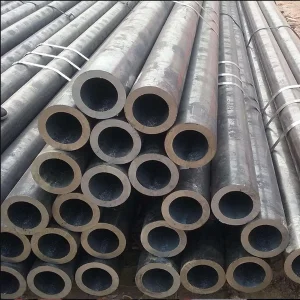
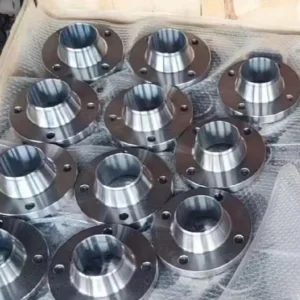
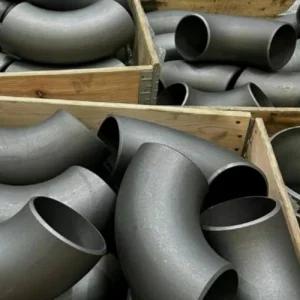
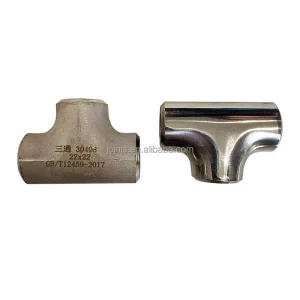
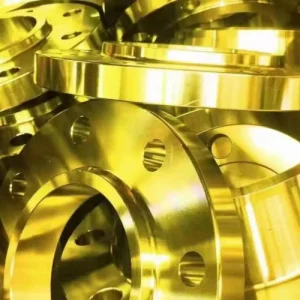
- One-Stop Package Procurement: Engineering teams can consolidate matching seamless steel pipes, butt-weld elbows, tees, reducers, high-pressure weld neck flanges, and metal seal gate valves into a single shipment container, drastically reducing ocean freight costs and customs complexity.
- Logistics Hub Proximity: Located just 150 km from Tianjin Port (Xingang), our logistics team provides rapid vessel booking, container stuffing, and real-time freight tracking despite global shipping disruptions.
Metal Seated vs Soft Seated Gate Valve Engineering Comparison
Detailed parameters comparing operational capabilities, temperature limits, seat wear dynamics, and leakage standards.
| Engineering Metric | Metal Seal Gate Valve (Stellite/HVOF) | Soft Seated Gate Valve (EPDM/PTFE/NBR) |
|---|---|---|
| Operating Temp Range | -196°C to +650°C (Cryogenic to High Temp Steam) | -20°C to +180°C (Limited by polymer breakdown) |
| Pressure Capability | ASME Class 150 to Class 2500 (PN10 to PN400) | ASME Class 150 to Class 300 (PN10 to PN40) |
| Abrasive Media Resistance | Exceptional (Resistant to slurries, catalyst fines, scale) | Poor (Soft elastomeric seat tears under abrasive particle flow) |
| Seat Leakage Standard | ISO 5208 Rate A / ANSI FCI 70-2 Class V & VI | ISO 5208 Rate A / Zero bubble tight (under low temp) |
| Fire Safety Compliance | Inherently Fire Safe (API 607 / API 6FA Certified) | Requires secondary soft seat destruction backing rings |
| Maintenance & Service Life | Long lifecycle in severe service; lap-regrindable seats | Frequent seat seal replacements required under thermal cycles |
Localized Technical Support & Global Compliance Assurance
Strict quality control protocols from raw casting inspection to third-party witness testing (SGS, TUV, BV).
NDT & Quality Testing Protocols
100% Non-Destructive Testing options including Radiographic Testing (RT) on pressure-containing body castings, Ultrasonic Testing (UT) for stem forging integrity, Liquid Penetrant (PT), and Magnetic Particle Inspection (MPI) on hardfaced seating areas.
International Standard Harmonization
Valves and associated flange connections comply fully with American (API 600, API 6D, ASME B16.34, ASME B16.5), European (EN 1984, EN 1092-1, DIN 2638), Japanese (JIS B2071, JIS B2311), and Chinese National Standards (GB/T 12234, GB/T 12459).
Lifecycle Engineering & Field Service
We provide complete global after-sales engineering support, offering on-site technical supervision during commission, emergency replacement trim kits, stem packing repacking tools, and dedicated maintenance consultation.
Frequently Asked Questions by Technical Buyers
Addressing essential technical, operational, and commercial inquiries regarding Metal Seal Gate Valves.
Explore Related Flanges, Fittings & Valves
Integrate your metal seal gate valve requirements with matched steel pipes, butt-weld elbows, reducers, and high-pressure flanges.