
High-Performance Piping & Fitting Solutions
Explore our certified range of pipe tees, elbows, flanges, and specialized fittings manufactured under ISO 9001 and international standards.
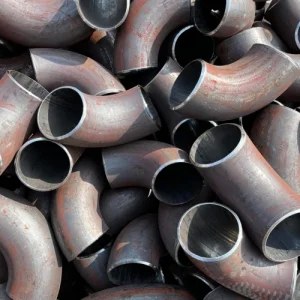
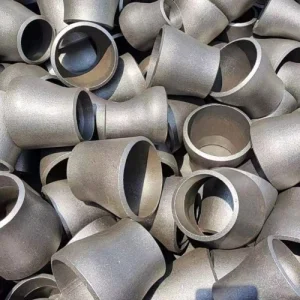
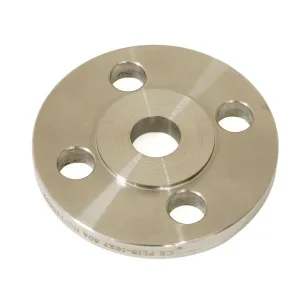
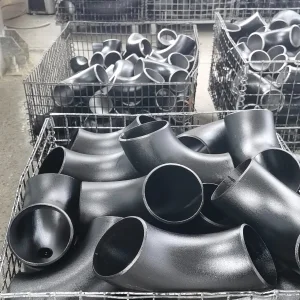
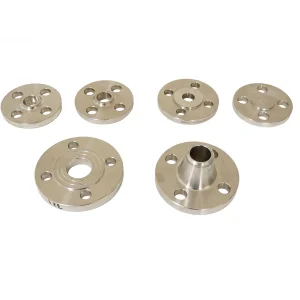
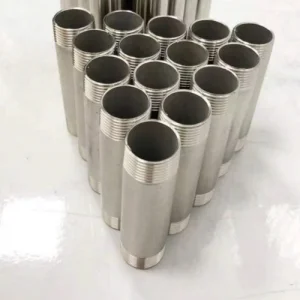
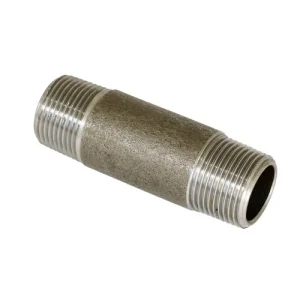
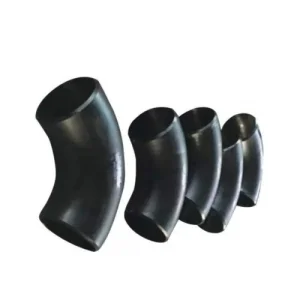
Next-Generation Steel Tee Integration in Macro Infrastructure
Analyzing fluid dynamics, stress distribution, and cost efficiency in heavy industrial piping networks.
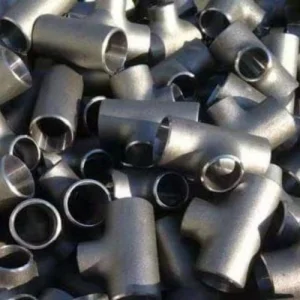
In modern industrial fluid transport systems, the Steel Tee serves as a pivotal structural junction designed to divide or combine flow streams at a 90-degree angle. As energy infrastructure transitions toward higher pressure regimes, hydrogen-blend gases, and ultra-deepwater extraction, the specification of pipe fittings—specifically Equal Tees and Reducing Tees—demands unprecedented metallurgical rigor and dimensional precision.
When engineering teams evaluate procurement options from a global Discount Steel Tee Exporter, the primary technical consideration extends far beyond upfront unit price. True economic value is defined by lifetime operational continuity, resistance to fatigue failure under cyclical thermal expansion, and seamless integration with existing ASME B16.9, MSS SP-75, and EN 10253-2 infrastructure.
Thermal Shock Resilience
Engineered with normalized carbon steel (ASTM A234 WPB) and high-yield alloy structures (WP11/WP22/WP91) to withstand transient steam surges exceeding 540°C without micro-fissure propagation.
Hydrodynamic Optimization
Precision-molded internal radii minimize vortex formation, turbulence-induced erosion, and pressure drops, lowering overall pumping energy demand across multi-kilometer transmission lines.
Severe Corrosion Resistance
Available in austenitic stainless steels (ASTM A403 WP304L/316L) and Duplex variants (UNS S31803/S32750) certified for acidic off-gas, marine, and chemical fluid environments.
Metallurgical Processing, Cold Hydraulic Extrusion & Quality Control
A rigorous examination of fabrication methods, heat treatment regimes, and non-destructive examination (NDE) protocols.
The manufacturing process of a premium steel tee dictates its grain boundary integrity and wall thickness uniformity. Advanced export facilities utilize two distinct primary manufacturing routes based on diameter and wall thickness requirements:
1. Hydraulic Cold Extrusion (Seamless Tees: 1/2" to 24")
Cold hydraulic bulging utilizes a seamless tubular blank placed into a split die. Internal hydraulic fluid pressure forces the tube wall outward into the branch outlet while lateral cylinders compress the pipe ends. This process provides uniform material flow, ensuring smooth branch transitions without localized stress concentration points.
2. Hot Press Forming & Welded Construction (Large Diameter Tees: 24" to 78")
For heavy wall thickness requirements (up to 150mm) or large-diameter trunklines, hot forming techniques are deployed. Plate material is cut, hot pressed into two matching tee halves, and welded using automatic Submerged Arc Welding (SAW). Complete volumetric Non-Destructive Testing (RT/UT) confirms 100% weld joint integrity prior to post-weld heat treatment (PWHT).
Information Gain Insight: Unlike standard commercial fittings, Cangrun Pipeline steel tees undergo controlled normalizing heat treatment at 890°C–920°C, followed by air cooling. This process refines coarse grain structures resulting from hot forming, reinstating impact toughness values up to -46°C for low-temperature applications (ASTM A350 LF2 / A420 WPL6).
| Material Grade | Standard Ref. | Yield Strength (MPa) | Tensile Strength (MPa) | Primary Industrial Application |
|---|---|---|---|---|
| ASTM A234 WPB | ASME B16.9 | ≥ 240 | 415 - 585 | Standard Water, Oil & Gas Distribution Lines |
| ASTM A403 WP316L | ASME B16.9 / EN 10253 | ≥ 170 | 485 - 655 | Chemical Processing & Off-Shore Marine Facilities |
| ASTM A234 WP91 | ASME B16.9 | ≥ 415 | 585 - 760 | Ultra-Supercritical Thermal Power Plant Piping |
| MSS SP-75 WPHY65 | MSS SP-75 | ≥ 450 | 535 - 760 | High-Pressure Cross-Country Natural Gas Lines |
| EN 10253-2 P265GH | EN 10253-2 | ≥ 265 | 410 - 570 | European Pressure Vessel & Industrial Boiler Piping |
Commercial Supply Dynamics & Discount Export Economics
Understanding how industrial manufacturing clusters enable competitive global pricing without compromising quality assurance.
Economies of Scale in Manufacturing
Situated in the Cangzhou pipeline manufacturing hub, integrated steel tube sourcing and centralized forging units significantly reduce raw material procurement costs and transport overheads.
Integrated Freight Logistics
Direct proximity to major deep-water ports (Tianjin/Qingdao) enables real-time vessel booking, consolidated container loads, and proactive mitigation of global shipping surcharges.
Transparent Discount Pricing
Factory-direct tier structures eliminate intermediate trading markups, passing up to 18-25% operational savings directly to global EPC contractors and stockists.
The global market for industrial piping components faces evolving supply chain pressures, including fluctuating raw material index prices (Ni, Cr, Mo alloys), dynamic maritime freight tariffs, and tightening carbon emissions mandates. Navigating these complexities requires working with a certified Discount Steel Tee Exporter equipped with dual manufacturing facilities and dedicated export compliance frameworks.
By maintaining vast inventories of raw seamless steel tubes (ASTM A106 Grade B, API 5L Grade B) and standard fittings across SCH40, SCH80, and SCH-STD schedules, rapid turnaround times are ensured for emergency shut-down projects and large-scale EPC tender requirements.
Regional Compliance Assurance & Technical Localization
Meeting local code requirements, regulatory approvals, and project documentation across North America, Europe, the Middle East, and Asia-Pacific.
North America (ASME / ASTM)
Strict compliance with ASME B16.9 dimensional standards, ASTM material specifications, and Canadian Registration Numbers (CRN) for pressure vessel boundary piping across all provinces.
European Union (PED 2014/68/EU)
Full alignment with Pressure Equipment Directive (PED) Category I-IV requirements, certified EN 10204 3.1 and 3.2 Material Test Reports (MTRs), and EN 10253-2 fitting design compliance.
Middle East (Aramco / SABIC Specs)
Production protocols tailored to stringent oil & gas owner-operator specs, featuring enhanced NACE MR0175/ISO 15156 HIC (Hydrogen Induced Cracking) and SSCC resistance testing.
Eurasian Region (GOST / EAC)
Full manufacturing capabilities according to GOST 17376-2001 standards, backed by EAC Declaration of Conformity for seamless integration into CIS industrial installations.
Localized Application Scenarios & Industrial Implementations
Field-proven performance across critical energy, processing, and heavy marine infrastructure.
LNG Liquefaction & Cryogenics
High-nickel stainless steel tees (ASTM A403 WP304L/316L) subjected to liquid nitrogen impact testing at -196°C to prevent brittle fracture in cryogenic storage and re-gasification manifolds.
Offshore Floating Production (FPSO)
Duplex UNS S31803 and Super Duplex UNS S32750 seamless tees engineered for extreme seawater corrosion, high mechanical vibration, and compact space constraints on topside modules.
Supercritical Power Plants
High-alloy steel tees (ASTM A234 WP91/WP92) operating under 28 MPa steam pressure at 600°C, providing superior creep rupture strength and extended service life.
Technical Roadmap: Next-Gen Pipe Fitting Manufacturing (2025–2035)
Innovations shaping the future of industrial fluid distribution, additive manufacturing, and green metallurgy.
As heavy industry accelerates toward zero-carbon targets, the manufacturing of critical pressure components is undergoing a technological transformation. Key developments defining the next decade of steel tee production include:
- Hydrogen-Compatible Alloy Formulations: Engineering refined micro-alloyed carbon steels with reduced sulfur (<0.002%) and controlled grain orientation to eliminate hydrogen embrittlement risks in 100% pure hydrogen transmission pipelines.
- Smart Fittings with Embedded Fiber-Optics: Integrating thin-film piezo-electric sensors directly into tee branch junctions during forging to provide real-time wall thickness monitoring and stress analytics via IoT gateways.
- Additive-Enhanced Custom Geometry: Hybrid manufacturing combining cold hydraulic extrusion with Directed Energy Deposition (DED) 3D printing to create internal fluid vanes that eliminate dead zones in complex chemical reactor manifolds.
- Green Steel Production Integration: Transitioning raw pipe forging billets to Electric Arc Furnace (EAF) steel produced using 100% green hydrogen reduction, cutting scope 3 embodied carbon by up to 75%.
Frequently Asked Questions on Steel Tee Procurement & Specifications
Direct answers from senior metallurgical engineers and export compliance leads.
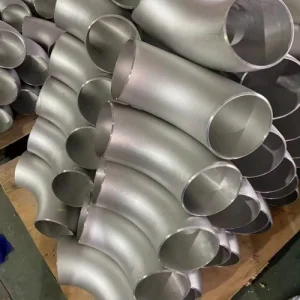
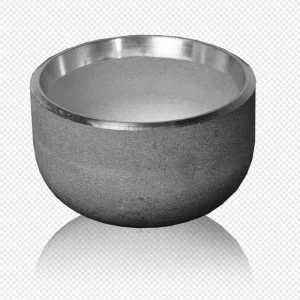
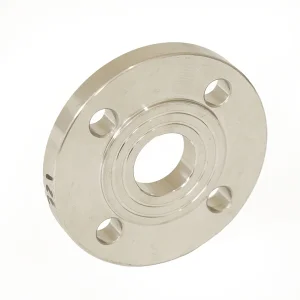
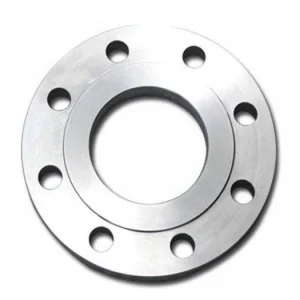
Complete Industrial Fitting & Flange Catalog
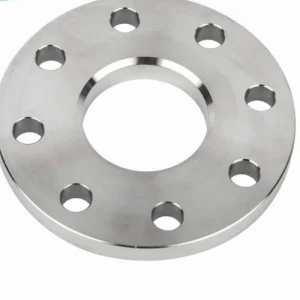
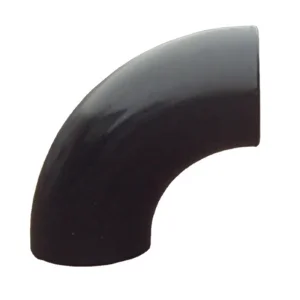
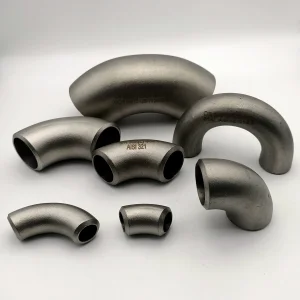
Explore additional high-pressure components, blind flanges, weld neck flanges, and specialized elbows.
Request a Customized Project Quote Today
Send your material take-off (MTO) or tender specifications directly to our engineering export team for immediate technical review and direct factory pricing.
Connect with Technical Sales