
High-Performance Piping & Fitting Solutions
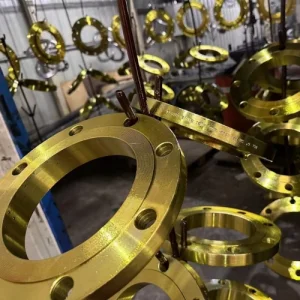
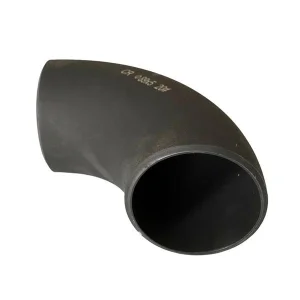
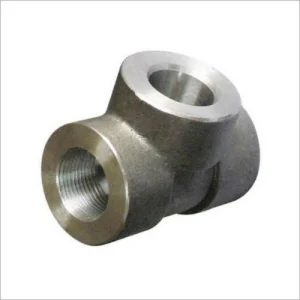
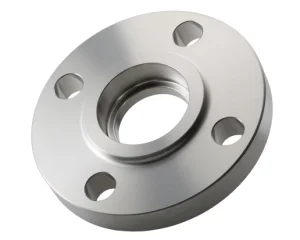
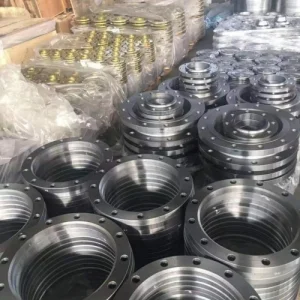
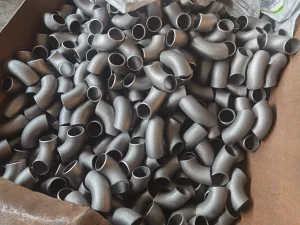
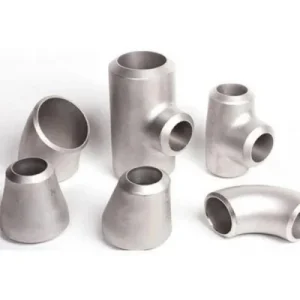
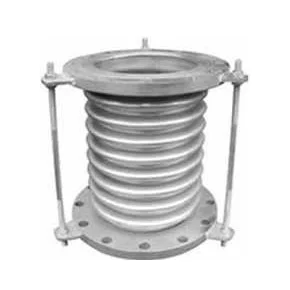
Explore initial technical specifications from our integrated manufacturing matrix. All products are engineered to ASTM, ASME, JIS, GB, and EN international standards.
Global Industrial & Commercial Landscape of Copper Compression Fittings
Analyzing market adoption, fire-hazard mitigations, and the structural transition toward cold-joining technologies in commercial piping infrastructures.
The global fluid routing and piping infrastructure industry is undergoing a monumental paradigm shift. For decades, traditional thermal joining processes—such as oxy-acetylene brazing, soldering, and arc welding—dominated commercial plumbing, HVACR (Heating, Ventilation, Air Conditioning, and Refrigeration), and industrial gas distribution networks. However, escalating labor expenses, stringent municipal jobsite fire-safety regulations, and the imperative for rapid installation cycles have catapulted Copper Compression Fittings and mechanical press-connect technologies to the forefront of modern engineering preference.
Market research indicates that the global HVAC and plumbing fittings sector is projected to expand at a compound annual growth rate (CAGR) exceeding 6.2% over the next decade. Within this growth trajectory, flame-free copper mechanical joining solutions account for a rapidly expanding market share. Industrial procurement managers, EPC (Engineering, Procurement, and Construction) contractors, and commercial facility engineers are actively seeking reliable discount copper compression fittings companies capable of supplying high-integrity components without sacrificing metallurgical standards or dimensional precision.
Zero Hot-Work Risk
Compression and mechanical press fittings completely eliminate open flames on jobsites, eliminating the need for costly hot-work permits, dedicated fire watches, and localized burn risks.
Rapid Installation Cycle
Assembly takes a fraction of the time required for traditional capillary soldering. Mechanical swaging allows rapid, repeatable joint creation even in wet or live maintenance scenarios.
Vibration & Stress Fatigue
Engineered brass olives and resilient elastomeric seals absorb hydraulic shock loading and thermal expansion/contraction cycles superior to brittle soldered joints.
Material Compatibility
Seamlessly connects hard, half-hard, and soft copper tubing (ASTM B88, EN 1057) across drinking water, medical gas, refrigerant, and industrial oil transmission systems.
Metallurgical Chemistry & Mechanical Sealing Dynamics
Understanding the physics behind deformation, fluid containment, and phosphorus-deoxidized copper purity.
Copper compression fittings operate on a precise mechanical principle involving controlled metal deformation and sealing ring (olive) swaging. When the compression nut is torqued onto the fitting body thread, it exerts axial force upon a double-tapered brass or copper olive. As this ring slides into the chamfered seat of the fitting body, it constricts radially, biting into the outer wall of the copper pipe to form a leak-tight, metal-to-metal hydraulic seal.
Microstructure & Material Specifications
To ensure high ductility, corrosion resistance, and structural integrity under high working pressures, top-tier manufacturers utilize UNS C12200 (Cu-DHP) copper alloy. This phosphorus-deoxidized copper exhibits a minimum pure copper content of 99.90% and a controlled residual phosphorus range of 0.015% to 0.040%. This precise chemistry prevents hydrogen embrittlement during manufacturing hot-forming stages and guarantees superior cold-working characteristics.
| Joining Technology | Tooling Requirement | Installation Speed | Thermal Risk | Operating Pressure | Reusability / Servicing |
|---|---|---|---|---|---|
| Copper Compression Fitting | Standard Wrenches / Spanners | Fast (1-2 mins/joint) | Zero (Flame-Free) | Up to 16-25 Bar (Medium/High) | Demountable & Reusable (with new olive) |
| Capillary Soldering (Sweat) | Torch, Flux, Solder Wire | Slow (5-8 mins/joint) | High Fire Risk | Up to 16 Bar (Medium) | Permanent (Requires Heat to Destem) |
| High-Pressure Press Fitting | Electric Hydraulic Press Tool | Ultra-Fast (<30 secs) | Zero (Flame-Free) | Up to 40-50 Bar (High HVACR) | Permanent (Crimp-locked) |
| ANSI/ASME Flanged Joint | Torque Wrench & Gasket Sets | Moderate (Bolted assembly) | Zero (Flame-Free) | Class 150 to 2500 (Extreme) | Fully Demountable / Bolted Maintenance |
China's Manufacturing Efficiency & Supply Chain Advantages
Why sourcing discount copper compression fittings and industrial pipeline components from Chinese industrial hubs delivers unmatched total cost of ownership (TCO).
Global buyers seeking "discount" pricing often worry about compromising structural quality. However, in the realm of advanced metallurgical manufacturing, "discount" in China does not denote inferior raw materials; rather, it reflects unmatched ecosystem synergy, automated high-throughput CNC machining, and strategic industrial clustering.
In major manufacturing centers such as Cangzhou, Hebei—where HEBEI CANGRUN PIPELINE EQUIPMENT CO., LTD. and its specialized subsidiaries CANGZHOU FEIWO METAL PRODUCTS CO., LTD. and CANGZHOU FEIXIANG METAL PRODUCTS CO., LTD. are based—the entire upstream and downstream supply chain is localized within a concise geographical radius. From raw copper and steel billet forging to automated multi-axis CNC lathe turning, surface passivation, quality testing, and direct port container loading, every step is optimized for minimum overhead and maximum throughput.
Automated CNC Manufacturing
High-speed swiss-type rotary transfer machines and multi-axis CNC lathes turn raw brass extrusions and copper blanks into compression fittings with tolerances within ±0.01mm.
Economics of Scale
Processing thousands of metric tons of copper and steel monthly enables factory-direct raw material procurement at Tier-1 mill pricing, passing substantial margin benefits to global buyers.
Strict Quality Control (QA/QC)
Every production batch undergoes spectrographic alloy analysis, 100% pneumatic bubble leak testing under water, hydrostatic pressure verification, and thread gauge checks.
Integrated Logistics Hubs
Direct access to Tianjin and Qingdao deep-water ports reduces inland transit costs and ensures expedited containerized vessel shipping to North America, Europe, and Asia-Pacific markets.
Localized Applications & Critical Engineering Scenarios
Deploying copper compression technology across diverse commercial, medical, industrial, and municipal infrastructures.
Potable Water Distribution
Utilizing CW617N lead-free brass and DHP copper compression fittings for sanitary municipal water supply lines. Complies with strict drinking water health standards (NSF/ANSI 61 and EN 1254).
Commercial HVAC & Refrigeration
Engineered to handle synthetic refrigerants (R410A, R32, R134a) and high operating pressures in VRF/VRV air conditioning units and chiller cooling loops without degradation.
Medical Gas Systems
De-greased and specially capped copper compression fittings are installed in hospital oxygen, nitrous oxide, and vacuum pipelines under HTM 02-01 and NFPA 99 medical standards.
Solar Thermal Arrays
Resistant to high solar stagnation temperatures and glycol fluid additives. Provides a secure joint in rooftop solar water heating panels subjected to extreme thermal cycles.
Global Enterprise Sourcing & Supply Chain Risk Mitigation
A comprehensive checklist for international engineering procurement managers and B2B distributors.
For large-scale construction enterprises and regional piping distributors, acquiring discount copper compression fittings requires balancing direct factory pricing with rigorous quality assurance. Navigating international trade compliance, material certifications, and batch consistency mandates a structured procurement framework.
Key Qualification Metrics for OEM/ODM Copper Fitting Manufacturers:
- Material Certification Traceability: Ensure the factory provides EN 10204 3.1 Material Test Reports (MTRs) for every heat number, verifying chemical composition and mechanical tensile strength.
- Thread & Dimensional Compliance: Fittings must conform strictly to international thread specifications, such as ISO 228-1 (G threads), BS 21, or NPT (ANSI/ASME B1.20.1).
- Lead-Free Environmental Compliance: Verification of low-lead or lead-free brass formulations (e.g., CW511L, C46500) to adhere to European RoHS, REACH, and U.S. Safe Drinking Water Act (SDWA) mandates.
- Package Integrity & Private Labeling: Barcoded packaging, custom branding, anti-tarnish protective poly-bags, and sea-worthy corrugated master cartons to guarantee pristine arrival at overseas warehouses.
Industry Development Trends & Smart Building Integration (2025–2030)
Innovations shaping the next decade of fluid handling, modular offsite construction, and sustainable architecture.
Prefab Modular Plumbing
Increasing reliance on off-site prefabricated bathroom pods and MEP (Mechanical, Electrical, Plumbing) skids demands fast, press-fit, and compression joints that survive highway transport vibration.
Eco-Friendly Recycling
Copper's infinite recyclability without property degradation aligns with global Net-Zero carbon goals and green building rating systems like LEED v4.1 and BREEAM certifications.
Leak-Detection Sensors
Emerging smart compression fittings integrate localized micro-sensors or conductive sealing elements that interface with IoT building management systems to flag minor micro-leaks instantaneously.
High-Pressure R744 (CO2) Systems
Development of thick-walled copper-iron alloy (CuFe2P) compression fittings designed to handle extreme operating pressures in modern eco-friendly natural refrigerant heat pumps.
Frequently Asked Questions (FAQ) & Expert Q&A
Direct answers to engineering, selection, and purchasing queries regarding copper compression fittings and industrial pipeline components.
What is the structural difference between a copper compression fitting and a copper press fitting?
Can copper compression fittings be used for high-pressure gas or refrigeration lines?
Are brass compression olives compatible with soft copper tubing?
How do Chinese manufacturers like Cangrun Pipe ensure factory discount pricing without sacrificing quality?
What standards govern the manufacture of copper and alloy pipe fittings?
- American Series: ASME B16.22 (Wrought Copper & Copper Alloy Solder-Joint Fittings), ASME B16.18, ASME B16.5 / B16.9 (Steel Pipe Fittings & Flanges), ASTM A234, ASTM A403.
- European Series: EN 1254 (Copper and copper alloys - Plumbing fittings), EN 1092-1 (Flanges).
- Japanese Series: JIS B2311, JIS B2312, JIS B2313 (Steel and Non-Ferrous Pipe Fittings).
Can copper compression fittings be reused after being disassembled?
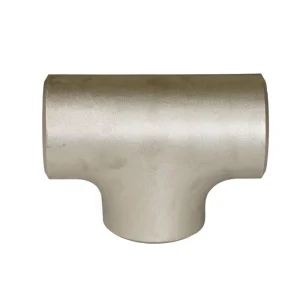
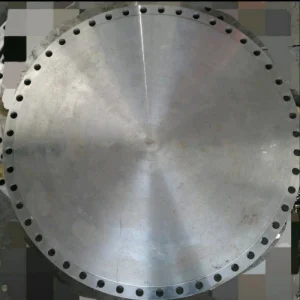
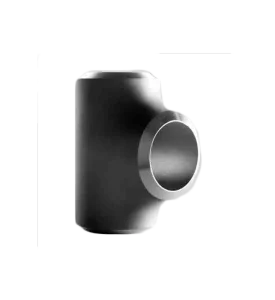
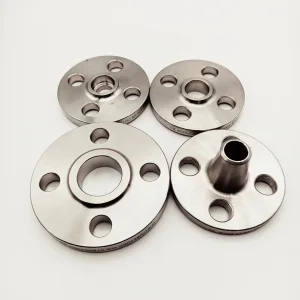
Complete Industrial Pipeline Component Inventory
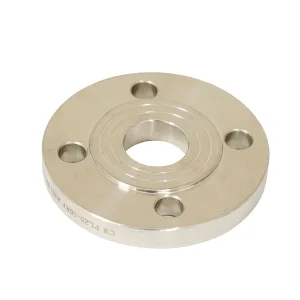
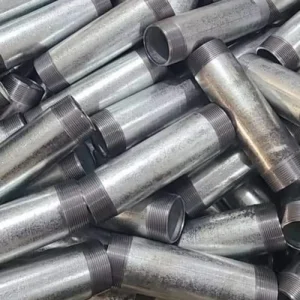
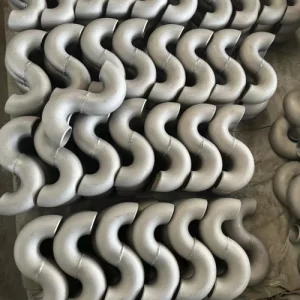
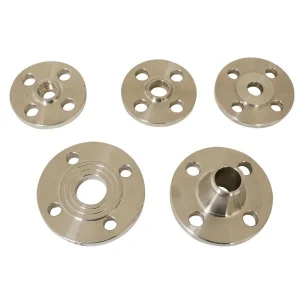
Explore our extensive range of carbon steel, stainless steel, alloy fittings, and companion industrial flanges for high-pressure project requirements.
Streamline Your Global Pipeline Procurement
Whether you require OEM copper compression fittings, high-pressure carbon steel elbows, forged flanges, or complete valve packages, HEBEI CANGRUN PIPELINE EQUIPMENT CO., LTD. offers single-source manufacturing expertise backed by ISO 9001 certification.