Featured Industrial Piping Components
Factory-direct pipeline equipment, flanges, and specialized fittings manufactured under ISO 9001 and API standards.
1. Executive Whitepaper: Engineering Architecture of Cast Steel Gate Valves
Understanding the mechanical design, seating mechanics, and pressure containment principles of industrial gate valves.
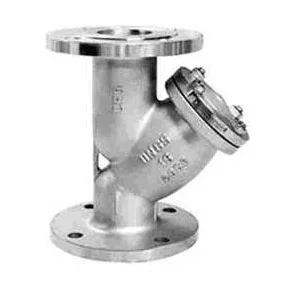
In modern industrial fluid handling systems, the cast steel gate valve serves as the primary linear-motion isolation component for high-pressure, high-temperature piping networks. Engineered predominantly for fully open or fully closed service, gate valves provide minimal flow resistance and straight-through fluid paths, drastically reducing line pressure drop compared to globe or angle valves. When engineering procurement teams source discount cast steel gate valve manufacturers & service providers, evaluating the technical integrity of cast steel valve bodies against API 600, ASME B16.34, and ISO 10434 standards is crucial.
⚙️ Key Anatomical Configurations of Cast Steel Gate Valves
A heavy-duty cast steel gate valve comprises critical pressure-containing and pressure-retaining components engineered to withstand extreme line stresses:
- Flexible Wedge vs. Solid Wedge: Solid wedges offer simplicity and high strength for lower pressure lines, whereas flexible wedges feature a perimeter groove that allows independent movement of seat faces. This compensates for body seat deformation caused by thermal expansion and piping loads, preventing thermal binding in steam and hot hydrocarbon lines.
- OS&Y (Outside Screw and Yoke) Stems: Designed with external stem threads, OS&Y configurations isolate stem lubrication from corrosive process media. Rising stems provide immediate visual indication of valve position, which is essential for safety audits in petrochemical plants.
- Bolted Bonnet (BB) vs. Pressure Seal Bonnet (PSB): Standard Class 150 to Class 600 valves utilize bolted bonnet flange joints with spiral-wound metallic gaskets. For ultra-high-pressure applications (Class 900 to Class 2500), pressure seal bonnets utilize line pressure to compress an internal metallic gasket against the bonnet ring, delivering tighter seals as internal pressure increases.
2. Global Trends Shaping Cast Steel Valve Manufacturing
How decarbonization, IoT automation, and stringent fugitive emission mandates are altering valve specifications.
Fugitive Emission Compliance (ISO 15848-1)
Environmental regulations now mandate strict greenhouse gas and VOC leak thresholds. Leading manufacturers integrate API 622 qualified graphite stem packing and live-loaded Belleville springs to maintain zero-leakage packing seal integrity over thousands of operational cycles.
Smart Actuation & Digital Twin Integration
Industrial automation requires seamless interfacing with DCS and SCADA systems. Modern cast steel gate valves feature ISO 5211 mounting pads for direct attachment of pneumatic, hydraulic, or intelligent electric actuators equipped with predictive diagnostic sensors.
Cryogenic & Extreme Service Metallurgy
The global expansion of Liquefied Natural Gas (LNG) bunkering demands cryogenic cast steel gate valves (ASTM A352 LCB/LCC or A351 CF8M) with extended bonnets to keep stem packing above freezing temperatures (-196°C operating conditions).
3. Enterprise Sourcing & Total Cost of Ownership (TCO)
Evaluating the economic trade-offs between initial capital outlay, service life, and maintenance overhead.
Procurement directors and EPC contract managers frequently balance capital expenditure (CAPEX) restrictions against long-term operational expenditure (OPEX). Purchasing low-grade valves from unverified vendors often results in premature seat erosion, stem scoring, packing degradation, and catastrophic process downtime.
Selecting reliable discount cast steel gate valve manufacturers requires evaluating four core pillars of Total Cost of Ownership:
1. Material Traceability
EN 10204 3.1 Material Test Reports (MTRs) certifying chemical composition and mechanical properties prevent alloy mix-ups in corrosive environments.
2. Hardfacing Quality
Coating seating surfaces with Cobalt-base alloys (Stellite No. 6) extends valve sealing life under abrasive slurries and high-velocity steam.
3. Non-Destructive Testing
Radiographic (RT), Ultrasonic (UT), and Magnetic Particle (MT) inspection on pressure-retaining castings eliminate subsurface shrinkage cavities.
By establishing direct supply relationships with consolidated Chinese group manufacturers like Hebei Cangrun Pipeline Equipment Co., Ltd., international buyers eliminate intermediary markups while retaining full compliance with ASME, ASTM, JIS, EN, and GB specifications.
4. China Industry 4.0: Supply Chain Resilience & Cost Superiority
How Cangzhou's advanced industrial pipeline cluster combines scale, speed, and precision engineering.
China's industrial transformation—specifically within the Hebei pipeline equipment hub—has shifted the regional manufacturing landscape from labor-intensive casting to digitalized Smart Foundries. Incorporating computer-simulated sand casting molds reduces casting defects by over 92%, while 5-axis CNC machining centers guarantee seat ring alignment down to micron-level tolerances.
The Cangzhou Cluster Advantage
Hebei Cangrun Pipeline Equipment Co., Ltd., along with its dedicated manufacturing subsidiaries (Cangzhou Feiwo Metal Products Co., Ltd. and Cangzhou Feixiang Metal Products Co., Ltd.), demonstrates the structural supply chain strengths of Cangzhou:
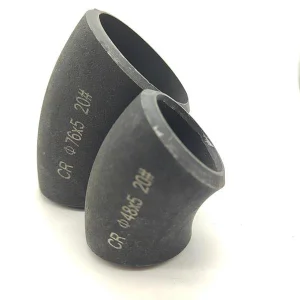
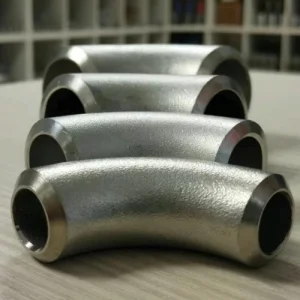
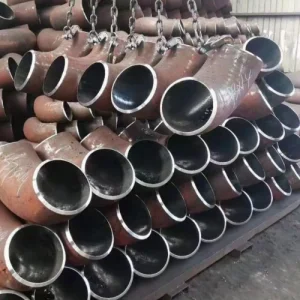
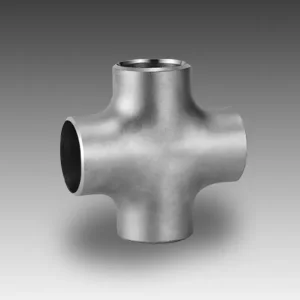
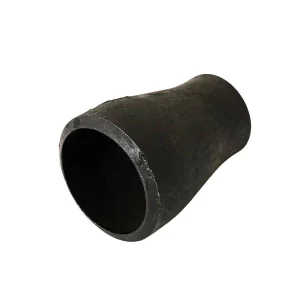
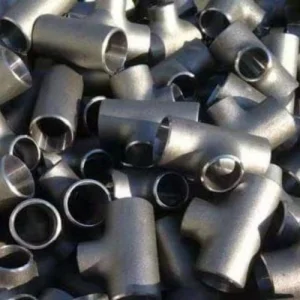
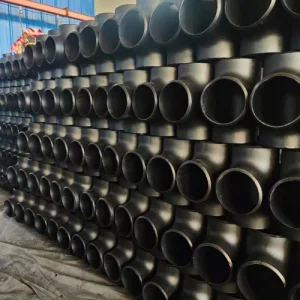
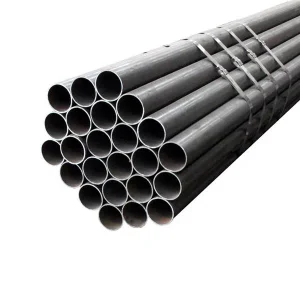
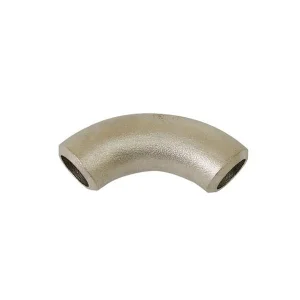
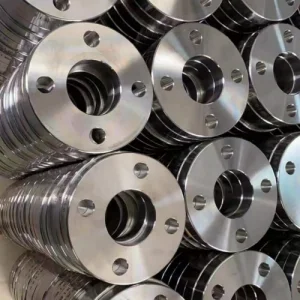
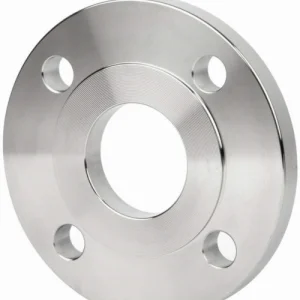
- Fully Integrated Piping Package Sourcing: Procurement teams can source cast steel gate valves, butt-weld fittings (elbows, tees, reducers, caps), forged flanges, and seamless pipes in a single consolidated shipment. This eliminates dimensional mismatch risks during field fit-up.
- Raw Material Bulk Procurement: Direct long-term agreements with premier domestic steel mills guarantee raw material availability and hedge against steel price volatility.
- Port Proximity & Global Freight Management: Located near major northern China ports, the group's logistics team manages ocean freight volatility, peak season surcharges, and container booking allocations for worldwide buyers.
5. Comprehensive Cast Steel Gate Valve Material & Specification Matrix
Engineering reference guide for material selection, pressure classes, and temperature limits.
| ASTM Material Grade | Common Name / Type | Design Pressure Standard | Temperature Range | Primary Industrial Application |
|---|---|---|---|---|
| ASTM A216 Grade WCB | Cast Carbon Steel | ASME B16.34 / API 600 (Class 150–2500) | -29°C to 425°C | General oil & gas, refining, utility water, medium steam lines. |
| ASTM A352 Grade LCB / LCC | Low Temperature Carbon Steel | API 600 / BS 1868 | -46°C to 345°C | Refrigeration plants, cold-climate cross-country pipelines, LPG. |
| ASTM A217 Grade WC6 / WC9 | 1.25Cr-0.5Mo / 2.25Cr Alloy Steel | ASME B16.34 / EN 12516 | -29°C to 593°C | High-temperature superheated steam, power plant boilers. |
| ASTM A351 Grade CF8 (SS304) | 18Cr-8Ni Stainless Steel | API 603 / ASME B16.34 | -196°C to 537°C | Chemical processing, food & beverage, nitric acid handling. |
| ASTM A351 Grade CF8M (SS316) | 18Cr-12Ni-2Mo Stainless Steel | API 603 / ASME B16.34 | -196°C to 600°C | Offshore platforms, marine piping, aggressive acid process lines. |
6. Field Application Scenarios & Engineering Case Studies
Where heavy-duty cast steel gate valves provide critical isolation performance.
Thermal Power Generation & Boilers
High-pressure main steam lines require Class 1500 to Class 2500 Pressure Seal Gate Valves made from alloy steel (WC9/C12A). These valves isolate steam headers during turbine maintenance, enduring rapid thermal cycling without seat deformation.
Petrochemical Refineries & Hydrocracking
Refinery cracking units operate with volatile hydrocarbons at elevated pressures. API 600 cast carbon steel gate valves featuring Stellite-faced discs and seats prevent erosion while maintaining tight isolation against toxic media.
Municipal Water & Desalination Transmission
Large-diameter (DN600–DN1200) resilient seated gate valves and soft-seal wedge valves isolate trunk pipelines. Epoxied internal coatings safeguard potable water purity while shielding valve interiors from marine salt slurry corrosion.
Frequently Asked Questions (Engineering FAQ)
Expert answers to critical technical and procurement queries regarding cast steel gate valves.
Complementary Piping & Fitting Solutions
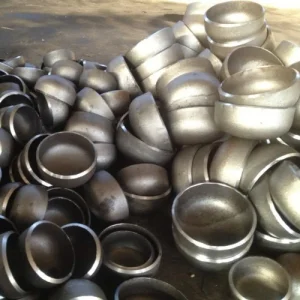
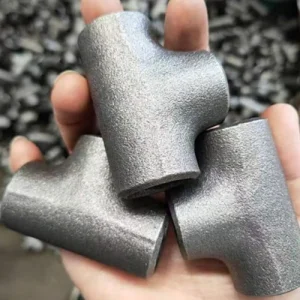
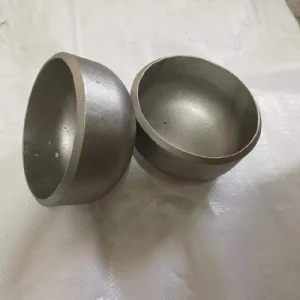
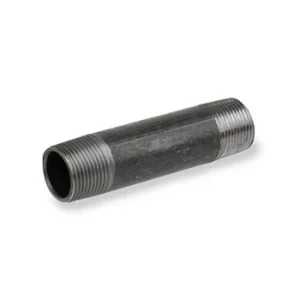
Complete your pipeline package with our factory-direct elbows, tees, caps, and nipples.