
High-Precision Stainless Steel Piping Components & Valves
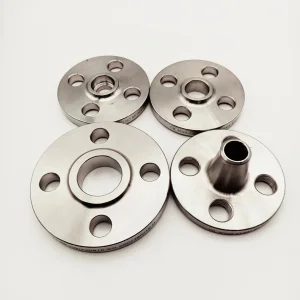
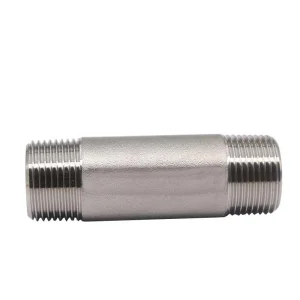
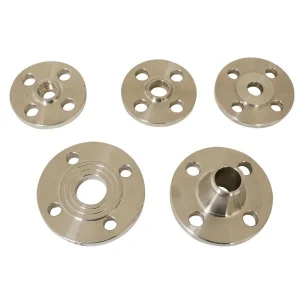
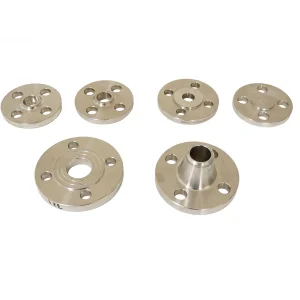
Explore our certified inventory of stainless steel gate valves, carbon steel flanges, pipe fittings, and high-pressure connectors manufactured to ASME, DIN, GOST, and JIS specifications.
The Global Industrial Stainless Steel Gate Valve Landscape
Strategic insights into market drivers, international procurement trends, and engineering demand across energy, chemical, and municipal infrastructure sectors.
Executive Summary: Market Dynamics and Procurement Realities
In modern process industries—spanning oil refining, LNG liquefaction, chemical processing, and power generation—the selection of flow isolation valves dictates operational uptime, system safety, and environmental compliance. Among the wide spectrum of mechanical flow isolation devices, the Stainless Steel Gate Valve stands out as a fundamental asset. Engineered primarily for fully open or fully closed service, stainless steel gate valves provide straight-through, bi-directional fluid movement with minimal pressure drop, making them indispensable in heavy industrial fluid handling networks worldwide.
Global demand for high-performance stainless steel gate valves has experienced a structural shift. Escalating environmental regulations regarding fugitive emissions (e.g., EPA Method 21 and ISO 15848-1 standards) have pushed end-users away from basic cast iron or carbon steel valves toward corrosion-resistant alloy valves designed with precision packing glands and bellows seal technologies. Concurrently, the expansion of green hydrogen infrastructure, seawater desalination plants, and specialty chemical synthesis facilities has heightened reliance on austenitic stainless steel grades such as ASTM A351 CF8 (304), CF8M (316), CF3M (316L), as well as Duplex and Super Duplex alloys (UNS S31803 / S32750).
Information Gain Key Insight: Sourcing industrial stainless steel gate valves directly from Chinese manufacturing ecosystems—specifically verified hubs like Cangzhou, Hebei—offers EPC contractors and international distributors a 30% to 45% cost efficiency advantage without sacrificing metallurgical compliance or pressure-containing integrity. China's integrated supply chains provide rapid casting, precision CNC machining, and full EN 10204 3.1 material traceability under one unified quality management umbrella.
Stainless Steel Gate Valve Technology Roadmap & Standards
A rigorous examination of valve design mechanics, pressure ratings, seating metallurgy, and international code compliance.
Key Design Configurations: OS&Y vs. Non-Rising Stem
Industrial stainless steel gate valves are broadly categorized by their stem actuation mechanics and bonnet sealing designs. Choosing the correct anatomical configuration is vital for long-term field performance:
Outside Screw and Yoke (OS&Y)
Features an external stem thread isolated from the fluid medium. Preferred in critical oil, gas, and chemical processes because the external threads are not exposed to corrosive line fluids or abrasive media, simplifying lubrication and position indication.
Non-Rising Stem (NRS)
The stem rotates within the valve body to raise and lower the wedge disc. Ideal for space-constrained installations such as marine vessel engine rooms, underground municipal water networks, and compact skid systems.
Flexible Wedge vs. Solid Wedge
Solid wedges offer simple, robust single-piece construction for small bore valves. Flexible wedges feature a cut around the perimeter, allowing independent movement between seating surfaces to prevent thermal binding in high-temperature applications.
Metallurgical Selection & Material Equivalency Matrix
Matching the correct cast alloy or forged material to the process medium is essential to prevent localized pitting, crevice corrosion, and stress corrosion cracking (SCC). Below is a standardized engineering breakdown of common stainless steel grades used in valve construction:
| ASTM Material Standard | Wrought / Forged Grade | Cast Grade Equivalent | Operating Temp. Range | Primary Application Environment |
|---|---|---|---|---|
| 304 Stainless Steel | ASTM A182 F304 | ASTM A351 CF8 | -196°C to +537°C | General water service, fresh water, food & beverage, nitric acid. |
| 304L Stainless Steel | ASTM A182 F304L | ASTM A351 CF3 | -196°C to +425°C | Low-carbon variant to prevent intergranular corrosion post-welding. |
| 316 Stainless Steel | ASTM A182 F316 | ASTM A351 CF8M | -196°C to +600°C | Process lines with chlorides, acetic acid, seawater, and mild sour gas. |
| 316L Stainless Steel | ASTM A182 F316L | ASTM A351 CF3M | -196°C to +450°C | Severe corrosive processes, chemical refining, welded piping systems. |
| Duplex SS (2205) | ASTM A182 F51 / F60 | ASTM A890 4A (CD3MN) | -50°C to +300°C | High-strength marine environments, offshore platforms, desalination plants. |
| Super Duplex (2507) | ASTM A182 F53 | ASTM A890 5A (CE3MN) | -40°C to +280°C | Aggressive brine solutions, sour crude gas (NACE MR0175 compliance). |
China Factory Supply Chain Resilience & Efficiency Advantages
How Cangzhou's industrial manufacturing ecosystem delivers superior price-to-performance ratios and supply reliability for global projects.
Integrated Industrial Ecosystem
Situated in Cangzhou, Hebei, our production base operates within China's largest pipeline equipment cluster. Foundries, forge shops, CNC machine centers, and testing labs are co-located within a 30-minute radius, minimizing supply chain bottlenecks.
Advanced Investment Casting (Lost Wax)
Our stainless steel gate valve bodies and wedges are cast using automated silica sol investment casting technology. This delivers near-net shape accuracy, smooth surface finishes (Ra 3.2 to 6.3 μm), and zero porosity defects.
Multi-Standard Manufacturing Flexibility
We seamlessly transition between American (ASME B16.34, API 600, API 603), European (EN 1984, DIN 3352), Russian (GOST 54808), and Japanese (JIS B2071) dimensional and testing standards on the same automated machinery lines.
Quality Control Protocol: From Melt to Dispatch
To ensure total reliability under extreme field conditions, every batch of stainless steel gate valves undergoes strict Quality Assurance (QA) and Non-Destructive Testing (NDT) steps:
- Positive Material Identification (PMI): X-ray fluorescence (XRF) spectrographic analysis verifying Cr, Ni, Mo, and C chemical composition before machining.
- Hydrostatic & Pneumatic Seat Testing: 100% compliance testing per API 598 and ISO 5208, testing shell pressure at 1.5x design pressure and high-pressure closure testing.
- Radiographic & Dye Penetrant Testing: PT inspection on critical hardfaced seat rings (Stellite #6) and RT/UT examination for high-pressure Class 600/900 valve bodies.
- Dimensional & Flange Facing Audit: CMM automated surface scanning ensuring flange alignment, bolt-hole circle symmetry, and smooth serrated raised face (RF) finishes.
Localized Application Scenarios & Field Case Studies
How engineered stainless steel gate valves solve aggressive fluid management challenges in real-world infrastructure.
Petrochemical Refining & Acid Lines
In hydrocracking and sulfuric acid alkylation units, standard carbon steel valves suffer rapid wall thinning. Installing CF8M (316) gate valves with flexible wedges and graphite packing prevents chemical erosion and withstands elevated working temperatures up to 500°C.
LNG Cryogenic Processing
Liquefied natural gas operating at -162°C causes conventional metals to undergo embrittlement. Extended bonnet cryogenic stainless steel gate valves (ASTM A351 CF8/CF3M) keep stem packing away from freezing liquid zones, ensuring zero stem leakage.
Seawater Desalination (SWRO)
High salinity and pressure in Reverse Osmosis (RO) plants induce severe crevice corrosion. Replacing 316L with 2205 Duplex Stainless Steel gate valves extends component service life from 3 years to over 15 years under high chloride stress.
Understanding Stainless Steel Gate Valve Quotes & Cost Structures
A buyer's reference for evaluating price quotations, material surcharges, pressure class multipliers, and international trade compliance.
Primary Cost Drivers in Stainless Steel Valve Manufacturing
When requesting quotations from Chinese valve suppliers, engineering procurement teams often notice price variances. Understanding the breakdown of costs empowers buyers to negotiate effectively while avoiding sub-standard products:
1. Raw Material Surcharges (Nickel & Moly Index)
Austenitic stainless steels rely heavily on London Metal Exchange (LME) market prices for Nickel and Molybdenum. CF8M (316) carries a 25% to 40% cost premium over CF8 (304) strictly due to its 2.0-3.0% Molybdenum content.
2. Pressure Class & Wall Thickness
Moving from Class 150 (PN16) to Class 300 (PN40) or Class 600 (PN100) exponentially increases raw material weight and wall thickness requirements, alongside requiring forged bodies (F316) rather than standard sand casting.
3. NDT & Certification Requirements
Standard commercial testing includes basic API 598 hydro testing. Requesting extra NDT certifications—such as 100% Radiographic Testing (RT), Fugitive Emission ISO 15848-1 testing, or NACE MR0175 sour gas certification—adds 8% to 15% to total unit costs.
Global Compliance & Documentation Checklist
To ensure seamless customs clearance and job site acceptance, every shipment from our Cangzhou facility includes a mandatory compliance package:
- EN 10204 3.1 Material Test Certificate (MTC): Full chemical heat analysis and mechanical physical test reports traceable to body casting heat numbers.
- CE-PED Compliance: Pressure Equipment Directive 2014/68/EU certification for European Union market entry.
- API 600 / API 598 Inspection Logs: Verified pressure test performance records signed by certified QC inspectors.
- Third-Party Inspection (TPI): Full support for SGS, BV, TÜV, and Lloyd’s Register inspection audits at factory premises.
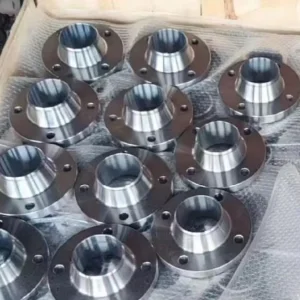
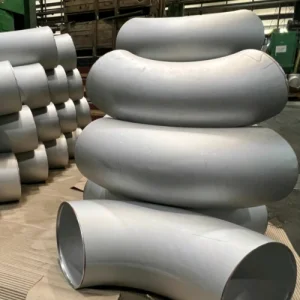
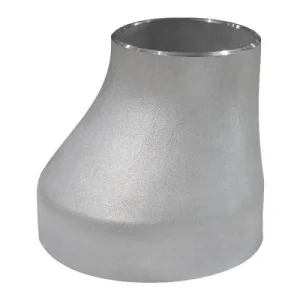
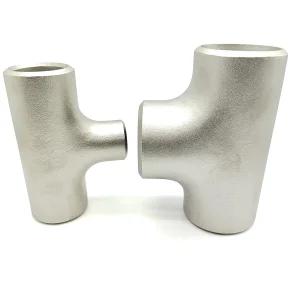
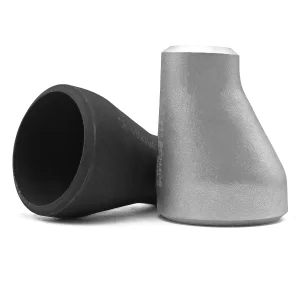
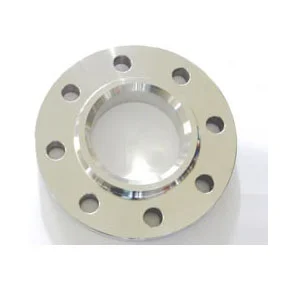
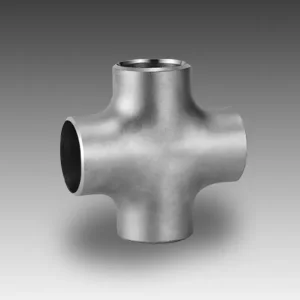
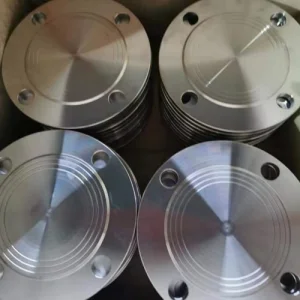
Explore Our Expanded Piping, Flange & Valve Series
Direct factory products engineered for flawless fitment with stainless steel gate valves and high-pressure industrial lines.
China Stainless Steel Gate Valve Quotes & Technical Procurement FAQ
Expert engineering responses to key procurement questions based on Google Search Quality Guidelines and industry standards.