
Featured Stainless Steel Flanges & Components
Explore high-precision forged flanges manufactured in compliance with international standards including ASME B16.5, DIN, and EN 1092-1.
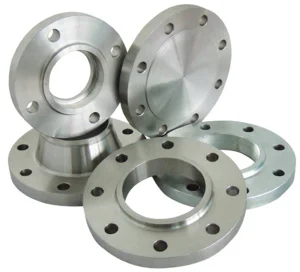
Best ASME ANSI BS EN DN100 Class150 F304/304L Stainless Steel Slip on Flange Products, Service
Request Quote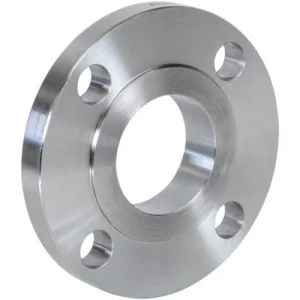
China DIN Class150 Stainless Steel Butt Weld So Slip on Flange Manufacturers, Supplier
Request Quote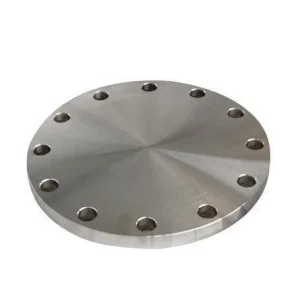
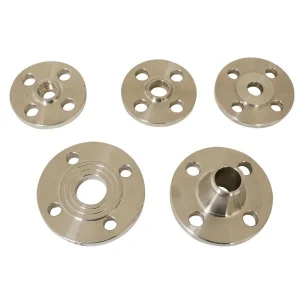
Wholesale Industrial Steel Carbon Steel Stainless Steel Blind Flange Manufacturers, Supplier
Request Quote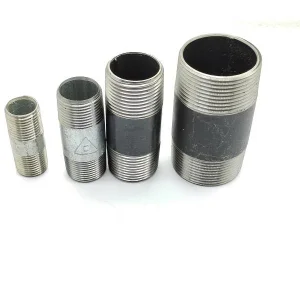
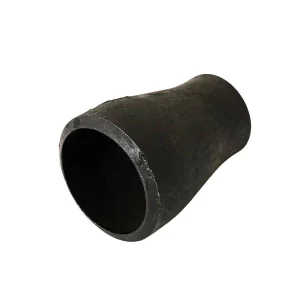
Best ASME B16.9 Carbon Black Stainless Steel Connector Eccentric Butt Weld Pipe Fitting Reducer Manufacturers, Exporters
Request Quote
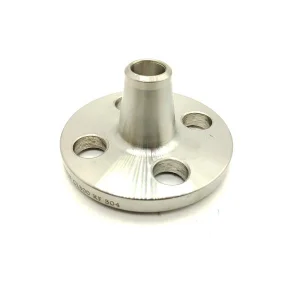
Wholesale ASTM A182 ANSI B16.5 304L 316L Stainless Steel Flange Manufacturers, Suppliers
Request QuoteExecutive Technical Overview: The Stainless Steel Flange Landscape
In modern industrial piping engineering, flanges serve as vital connection nodes that must withstand extreme thermal cycling, mechanical stress, internal pressure spikes, and highly corrosive chemical media. When sourcing China stainless steel flanges, procurement managers and EPC engineers must look beyond surface pricing to evaluate metallurgical integrity, manufacturing process compliance, and full traceability.
As global energy infrastructure transitions toward higher pressure ratings, LNG transport, and green hydrogen integration, Chinese flange manufacturers have undergone a profound technological upgrade. Advanced forging clusters—such as those in Cangzhou (Hebei) and Wenzhou (Zhejiang)—now utilize closed-die radial forging, computerized ring rolling, and automated solution annealing furnaces to ensure consistent grain refinement according to ASTM E112 standards.
Key Information Gain: Metallurgical Factors in Flange Life
- Intergranular Corrosion Protection: Stainless steel grades like 304L and 316L maintain carbon levels under 0.03% to eliminate chromium carbide precipitation during field welding.
- Pitting Resistance Equivalent Number (PREN): For marine and offshore applications, Mo-bearing grades (316L PREN ≥ 23; Duplex 2205 PREN ≥ 35) prevent localized chloride breakdown.
- Forging Ratio (≥ 3.5:1): Proper ingot reduction ensures the destruction of cast structures, eliminating internal voids and maximizing tensile ductility under ASME B16.5 dynamic loads.
Hebei Cangrun Pipeline Equipment Co., Ltd., along with specialized regional production units like Cangzhou Feiwo and Cangzhou Feixiang Metal Products, represents the modern paradigm of integrated Chinese manufacturing: combining raw forging capacity with precise CNC machining and rigorous non-destructive testing (NDT).
Why Global Buyers Source Stainless Steel Flanges from China
China's industrial infrastructure offers unparalleled advantages in material availability, manufacturing density, and cost efficiency without compromising on strict international engineering compliance.
1. End-to-End Cluster Integration
In Hebei and Zhejiang industrial hubs, stainless steel raw billets (sourced directly from tier-1 steel mills like Tsingshan and Baosteel), forging plants, heat treatment facilities, and testing labs operate within a 30-mile radius. This reduces internal transport costs and minimizes manufacturing lead times by up to 40% compared to Western suppliers.
2. Advanced CNC Precision Machining
Modern Chinese flange factories employ multi-axis CNC turning lathes and automatic drilling rigs capable of machining flange faces, ring joints (RTJ grooves), and serrated raised faces (RF) to micro-inch tolerances (Ra 3.2 – 6.3 µm per ASME B16.5). This guarantees bubble-tight seal integrity under cyclic thermal expansion.
3. Strict QA/QC & Full Traceability
Leading suppliers issue EN 10204 3.1 Material Test Reports (MTRs) alongside every shipment. Quality controls encompass Positive Material Identification (PMI), ultrasonic internal defect detection, hydrostatic pressure testing, spectral chemical analysis, and destructive intergranular corrosion testing (ASTM A262 Practice E).
Industry Trends & Future Metallurgy Roadmap
The global piping components market is moving rapidly toward specialized alloy formulations, digital quality verification, and reduced total cost of ownership (TCO). Procurement teams must align with factories actively implementing these advancements:
Rising Demand for Super Duplex & High-Nickel Alloys
While standard austenitic grades (ASTM A182 F304/304L, F316/316L) remain the backbone of general industrial piping, severe service projects in deepwater oil/gas and desalination plants increasingly demand Super Duplex stainless steel (F53 / UNS S32750, F55 / UNS S32760). Chinese forging mills have perfected solution treatment temperatures (1050°C–1120°C followed by rapid water quenching) to achieve a precise 50/50 ferrite-austenite phase balance, avoiding brittle intermetallic phase precipitation (such as Sigma phase).
AI-Driven Non-Destructive Testing (NDT)
To eliminate human error in quality inspection, top-tier Chinese factories have integrated AI-assisted automatic Ultrasonic Testing (UT) and digital Radiographic Testing (RT). Machine learning algorithms scan internal flange forgings for inclusions, micro-cracks, and porosity in real-time, certifying zero-defect output for critical nuclear and aerospace applications.
Standard Comparison Matrix: Flange Engineering Specifications
When requesting quotes, matching international cross-references ensures accurate pricing and structural compatibility:
| Standard Body | Common Flange Types | Pressure Class Range | Facing Types | Primary Regional Use |
|---|---|---|---|---|
| ASME / ANSI B16.5 | Weld Neck (WN), Slip-On (SO), Blind, Threaded, Socket Weld | Class 150, 300, 600, 900, 1500, 2500 | RF (Raised Face), RTJ (Ring Joint), FF (Flat Face) | North America, Global EPC Projects |
| EN 1092-1 / DIN | Type 01 (Plate), Type 05 (Blind), Type 11 (Weld Neck), Type 12 (Slip-On) | PN 2.5, PN 6, PN 10, PN 16, PN 25, PN 40, PN 63, PN 100 | Type A (Flat), Type B (Raised), Type C/D (Tongue/Groove) | Europe, Middle East, Asia-Pacific |
| JIS B2220 | SOP (Slip-On Plate), SOH (Slip-On Hub), WN (Weld Neck), BL (Blind) | 5K, 10K, 16K, 20K, 30K | FF (Flat Face), RF (Raised Face) | Japan, Southeast Asia, Marine Shipbuilding |
| ASME B16.47 (Large Dia) | Series A (MSS SP-44) & Series B (API 605) Weld Neck & Blind | Class 75, 150, 300, 600, 900 | RF (Raised Face), RTJ (Ring Type Joint) | Cross-Country Oil/Gas Pipelines, Pipelines >24" |
Macro Industry Solutions & Localized Applications
Custom stainless steel flange configurations engineered to withstand harsh operating conditions across key global industrial sectors.
1. Petrochemical & Refining
Operating Environment: High ambient temperatures, hydrogen sulfide (H2S) sour gas exposure, severe thermal expansion cycles.
Flange Requirement: ASTM A182 F316L / F321 Weld Neck Flanges with Ring Type Joint (RTJ) facings. Strict compliance with NACE MR0175/ISO 15156 to prevent sulfide stress cracking (SSC).
2. Offshore Oil & Marine Engineering
Operating Environment: Salt spray exposure, high concentration of chloride ions, severe fatigue loading on floating platform risers.
Flange Requirement: Duplex 2205 (UNS S31803) and Super Duplex 2507 (UNS S32750) heavy-wall blind and slip-on flanges offering high mechanical yield strength (>550 MPa) and resistance to crevice corrosion.
3. LNG & Cryogenic Transport
Operating Environment: Sub-zero operational temperatures down to -196°C (-320°F) requiring high Charpy V-notch impact toughness.
Flange Requirement: ASTM A182 F304L / F316L flanges subjected to full liquid nitrogen impact testing at cryogenic conditions to ensure zero brittle-ductile transition failure.
Global Enterprise Procurement Strategy: Optimizing Landed Cost
For international buyers, negotiating quotes for China stainless steel flanges requires evaluating total cost of ownership (TCO) rather than isolated FOB unit price. A structured cost breakdown helps mitigate commercial risks during cross-border procurement:
1. Raw Material Surcharge Volatility
Stainless steel prices fluctuate based on nickel, chromium, and molybdenum spot markets on the London Metal Exchange (LME). Leading Chinese factories offer locked-in contract pricing formulas tied to transparent material indices, protecting buyers from market swings during 60-to-90-day manufacturing cycles.
2. Export Packaging & Seaworthy Protection
Atmospheric humidity during ocean transport can cause surface discoloration or pitting on machined flange faces. Top exporters utilize wooden boxes lined with corrosion-inhibiting plastic wrapping, apply protective rust-preventative oil, and fit heavy plastic end caps on every raised face or groove.
Matching Piping Fittings, Valves & Custom Flanges
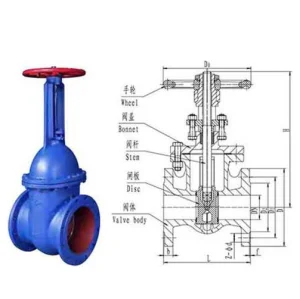
Complete your piping system package with factory-direct supply of concentric reducers, gate valves, galvanized nipples, and specialized fittings.
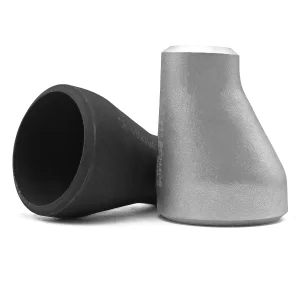
Famous ISO Standard Stainless Steel Sanitary Pipe Fitting Butt Welded Concentric Reduce Exporters, Products
Request Quote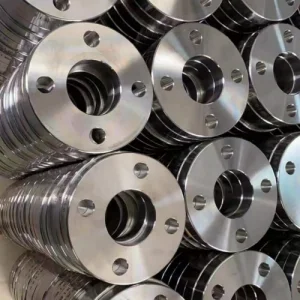
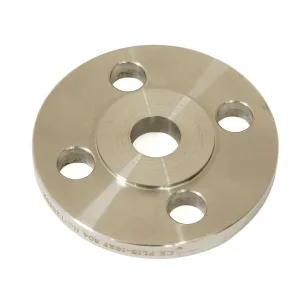
Famous ASME B16.5 Forged 2 Inch Blind ANSI Class 150 Carbon Steel Customized Flange Quotes, Service
Request Quote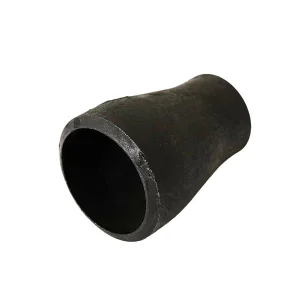
Buy Carbon Steel Pipe Fittings ASTM Carbon Steel Stainless Steel Pipe Fitting Concentric Reducer Products, Service
Request Quote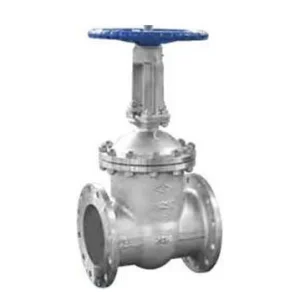
Technical Procurement FAQ: China Stainless Steel Flanges
Expert guidance addressing critical technical, quality control, and international shipping queries from commercial procurement teams.
Material authenticity is verified through a multi-tier Quality Assurance process. First, request an EN 10204 3.1 Material Test Report (MTR) prior to shipment. The MTR must detail exact chemical heat analysis and mechanical test values (Yield, Tensile, Elongation, Hardness) matched to the heat number stamped on the flange rim. Furthermore, reputable manufacturers welcome third-party inspection (TPI) agencies like SGS, BV, TUV, or Lloyd's Register to conduct on-site Positive Material Identification (PMI) using X-ray fluorescence (XRF) analyzer guns.
The primary distinction lies in carbon content. Standard Grade 304 allows up to 0.08% carbon, whereas Grade 304L limits carbon to a maximum of 0.03%. During field welding of weld neck or slip-on flanges, heat-affected zones in 304 can suffer chromium carbide precipitation, depleting chromium at grain boundaries and causing intergranular corrosion. Grade 304L prevents sensitization, making it the preferred choice for welded piping assemblies in chemical process plants.
To receive a precise price estimate, your inquiry should specify: (1) Standard (e.g., ASME B16.5, DIN EN 1092-1); (2) Nominal Pipe Size (NPS / DN); (3) Pressure Class or Rating (e.g., Class 150, PN 16); (4) Flange Type (Weld Neck, Slip-On, Blind, Threaded); (5) Facing Type (Raised Face RF, Ring Joint RTJ, Flat Face FF); (6) Schedule/Wall Thickness for Weld Neck types; (7) Material Grade (ASTM A182 F304L, F316L, F51); and (8) Total Quantity and requested Incoterms (FOB, CIF, DDP).
For sizes exceeding ASME B16.5 standards (greater than 24 inches up to 160 inches), Chinese factories utilize specialized heavy hydraulic ring rolling mills. These components are produced according to ASME B16.47 Series A / B, MSS SP-44, or custom engineering drawings provided by the customer. Machining is performed on vertical CNC lathes, and non-destructive testing includes 100% ultrasonic examination to confirm structural integrity across large wall cross-sections.
For standard stock sizes (ASME B16.5 Class 150/300, 1/2" to 12" in F304L/F316L), factory dispatch can occur within 10 to 15 days. For large-volume contract orders requiring custom forging, solution annealing, and machining, typical lead times range from 25 to 35 days. Sea freight shipping durations vary by destination port: approximately 14-18 days to the US West Coast, 28-35 days to European main ports, and 12-15 days to the Middle East.