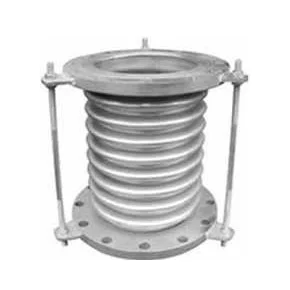
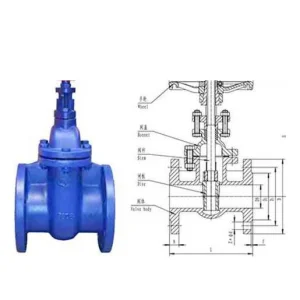
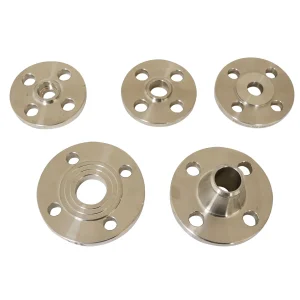
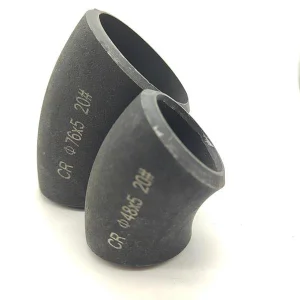
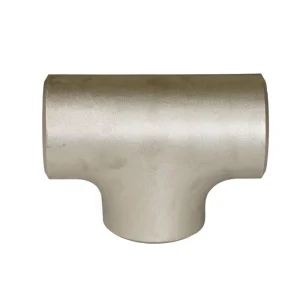
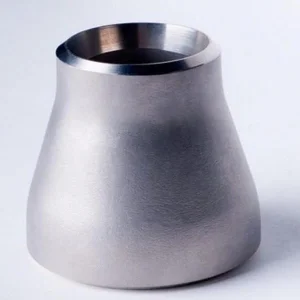
Featured Piping Infrastructure & Flange Showcase
Direct factory manufacturing range compliant with ASTM, ASME, EN, DIN, and JIS standards.
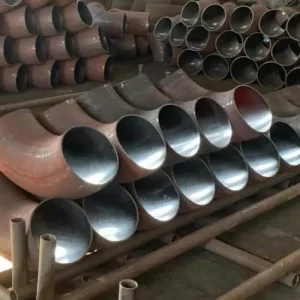
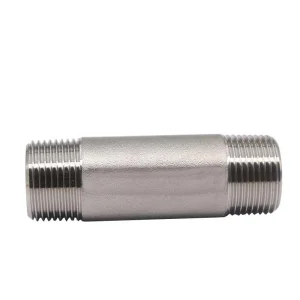
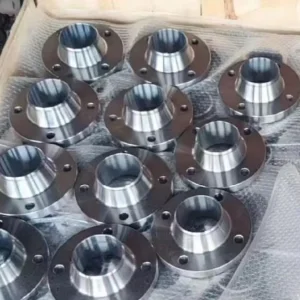
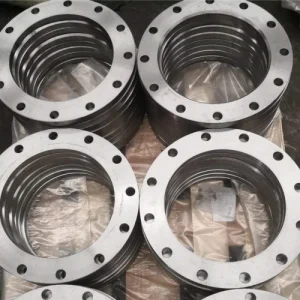
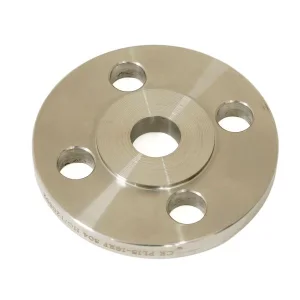
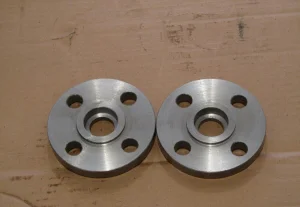
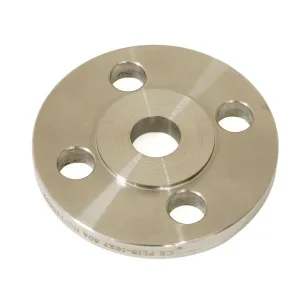
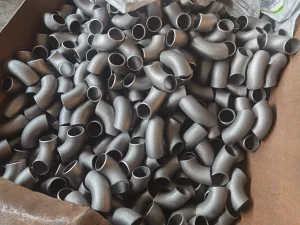
Comprehensive Chemical & Mechanical Metallurgy of Q235 Steel Flanges
In global piping engineering and industrial procurement, carbon steel flanges manufactured from Q235 steel grade (GB/T 700 standard) represent one of the most cost-effective and structurally dependable piping connection solutions available. Q235 carbon steel is a Chinese standard ordinary carbon structural steel characterized by its balanced yield strength (minimum 235 MPa for nominal thicknesses ≤ 16mm), excellent weldability, superior ductility, and outstanding formability.
For international procurement directors, engineering procurement construction (EPC) contractors, and pipeline operators, understanding the material composition, grade variations (Q235A, Q235B, Q235C, Q235D), and international standards equivalencies is essential for selecting the appropriate component for municipal, structural, and industrial applications.
Metallurgical Chemical Composition Matrix
Q235 carbon steel is subdivided into four quality grades based on the level of deoxidation and impact test requirements. Below is the definitive chemical analysis benchmark across Q235 sub-grades:
| Grade | Carbon (C) % | Manganese (Mn) % | Silicon (Si) % | Phosphorus (P) % Max | Sulfur (S) % Max | Deoxidation Method |
|---|---|---|---|---|---|---|
| Q235A | 0.14 - 0.22 | 0.30 - 0.65 | ≤ 0.30 | 0.045 | 0.050 | Rimmed / Killed Steel |
| Q235B | 0.12 - 0.20 | 0.30 - 0.70 | ≤ 0.30 | 0.045 | 0.045 | Killed Steel (20°C Impact Test) |
| Q235C | ≤ 0.18 | 0.35 - 0.80 | ≤ 0.30 | 0.040 | 0.040 | Special Killed (0°C Impact Test) |
| Q235D | ≤ 0.17 | 0.35 - 0.80 | ≤ 0.35 | 0.035 | 0.035 | Special Killed (-20°C Impact Test) |
Global Technical Equivalency Mapping
To assist international engineers who design piping systems according to ASTM, EN, DIN, or JIS frameworks, Q235 steel flange material corresponds to several globally recognized material specifications:
ASTM / ASME Equivalents
ASTM A36 / ASTM A283 Grade D: Q235B provides almost identical yield strength and elongation properties to A36 structural carbon steel plate. For low-pressure non-critical forged flange applications, Q235 forged steel closely aligns with low-carbon variants of ASTM A105.
EN / DIN Equivalents
EN 10025-2 S235JR / DIN 17100 ST37-2: S235JR (1.0038) is the direct European structural equivalent, sharing similar minimum yield limits of 235 N/mm² and impact absorption energy ratings at room temperature.
JIS Standards Equivalent
JIS G3101 SS400: SS400 is Japan's flagship mild carbon steel specification. Q235B flanges are widely accepted throughout Asia-Pacific as a drop-in replacement for SS400 plate and forged flanges.
China Q235 Steel Flange Comprehensive Pricelist & Cost Drivers
Understanding the pricing ecosystem of Chinese Q235 steel flanges requires examining raw material steel billet costs, manufacturing methodologies (cut plate flanges versus forged ring flanges), precision CNC machining hours, and anti-corrosion surface finishes.
Because Cangzhou in Hebei Province functions as the global epicenter for industrial pipeline equipment manufacturing, local factories benefit from direct supply chains with major steel mills (such as Tangshan Steel and Shougang Group), minimizing freight overhead for raw materials.
Indicative Q235 Flange Wholesale Pricelist (FOB China Port)
Note: Prices fluctuate based on prevailing steel billet market indexes, currency exchange rates, and order volume. The matrix below reflects standardized industry pricing benchmarks for standard pressure ratings (PN6, PN10, PN16, Class 150):
| Nominal Size (DN) | Inches | Plate Flange (PL) PN16 | Slip-On (SO) Class 150 | Weld Neck (WN) Class 150 | Blind Flange (BL) PN16 | Hot-Dip Galvanized Surcharge |
|---|---|---|---|---|---|---|
| DN15 | 1/2" | $0.75 - $1.15 | $0.95 - $1.40 | $1.35 - $1.90 | $0.85 - $1.25 | +$0.20 / pc |
| DN25 | 1" | $1.20 - $1.85 | $1.50 - $2.30 | $2.10 - $3.10 | $1.40 - $2.10 | +$0.35 / pc |
| DN50 | 2" | $2.40 - $3.60 | $3.10 - $4.50 | $4.50 - $6.20 | $2.90 - $4.20 | +$0.75 / pc |
| DN100 | 4" | $5.20 - $7.80 | $6.80 - $9.90 | $9.20 - $13.50 | $6.50 - $9.20 | +$1.80 / pc |
| DN150 | 6" | $9.50 - $14.20 | $12.40 - $17.80 | $16.80 - $23.50 | $11.80 - $16.50 | +$3.20 / pc |
| DN200 | 8" | $15.80 - $22.50 | $19.50 - $28.00 | $26.00 - $36.00 | $19.00 - $26.50 | +$5.40 / pc |
| DN300 | 12" | $32.00 - $45.00 | $41.00 - $58.00 | $54.00 - $75.00 | $42.00 - $59.00 | +$10.50 / pc |
| DN600 | 24" | $115.00 - $160.00 | $145.00 - $198.00 | $190.00 - $265.00 | $155.00 - $215.00 | +$35.00 / pc |
Macro Economic Variables Influencing Q235 Flange Pricing
1. Manufacturing Method (Plate vs. Forging)
Plate flanges cut directly from Q235 steel plate via plasma or flame cutting are lower in price due to faster cycle times. Seamless ring-forged Q235 flanges cost 15% to 25% more but offer superior grain structural integrity, eliminating internal void risks under higher hydrostatic pressures.
2. Surface Anti-Corrosion Treatments
Standard Q235 carbon steel is susceptible to atmospheric oxidation. Pricing varies based on coating type: Black Anti-Rust Paint (Base cost), Transparent Yellow Varnish (+3%), Cold Electro-Galvanizing (+8% to 12%), and Heavy Hot-Dip Galvanizing (HDG) (+18% to 25%).
Why Source Q235 Steel Flanges from Cangzhou, China?
Cangzhou City in Hebei Province stands as China's premier manufacturing hub for pipeline equipment, housing thousands of specialized forging plants, CNC machining shops, and certified testing laboratories. Operating in this industrial concentration provides distinct strategic procurement advantages:
Supply Chain Integration
Cangzhou factories like Hebei Cangrun Pipeline Equipment Co., Ltd. and its specialized subsidiaries (Cangzhou Feiwo & Cangzhou Feixiang) control the full manufacturing cycle: from raw steel ingot sourcing to precision ring rolling, CNC turning, drilling, surface coating, and containerized loading.
Extensive Size & Standard Capability
Production capabilities range from small-bore DN15 fittings to massive DN4000 custom municipal water flanges. Tooling and program templates support all international standard flange profiles: ASME B16.5, ASME B16.47, EN 1092-1, DIN 2576/2502, JIS B2220, and BS 4504.
Rigorous Quality Control & Testing
Leading Cangzhou suppliers enforce ISO 9001 certified quality management systems. Every production batch undergoes rigorous non-destructive and destructive testing, including Spectrographic Chemical Analysis, Tensile & Yield Testing, Ultrasonic Flaw Detection (UT), and Hydrostatic Pressure Verification.
Localized Application Scenarios & Industry Solutions
While high-pressure supercritical steam lines and corrosive chemical processes demand stainless alloys or chrome-moly steels, Q235 steel flanges serve as the reliable backbone for global infrastructure projects operating under low-to-medium temperature and pressure regimes.
Municipal Water & Sewage Infrastructure
Q235 Hot-Dip Galvanized (HDG) plate flanges (EN 1092-1 Type 01 / DIN 2576) are extensively specified in urban water distribution networks, wastewater treatment facilities, and agricultural irrigation mainlines. The HDG zinc layer prevents rust in buried or damp soil environments.
HVAC & District Heating Networks
Commercial heating systems, chilled water loops, and low-pressure boiler plant piping rely heavily on Q235B Slip-On (SO) and Weld Neck (WN) flanges. Operating reliably within -10°C to 200°C temperature envelopes, Q235 delivers long service life at optimal capital cost.
Low-Pressure Gas & Utilities Supply
In auxiliary utility lines for air compressors, inert gas distribution, and non-corrosive industrial liquid transfer, Q235 forged steel flanges ensure gas-tight sealing when paired with appropriate synthetic rubber or graphite gaskets.
Structural Piling & Civil Engineering
Custom heavy-wall Q235 plate flanges are frequently welded to steel structural pipe piles, foundations, and offshore marine casings to provide rigid bolting faces for structural connection and load distribution.
Global Procurement Trends & Risk Mitigation Strategies
Navigating the global pipeline equipment marketplace requires international procurement managers to balance material compliance, lead times, sea freight volatility, and Total Cost of Ownership (TCO).
1. Transition to Green Steel Manufacturing
Chinese steel mills are actively implementing Electric Arc Furnace (EAF) technologies and renewable energy sources to reduce the carbon footprint of structural steel production. Sourcing Q235 flanges from environmentally compliant suppliers ensures international contractors meet stringent corporate sustainability metrics.
2. Packaging & Ocean Freight Protection Protocol
Because Q235 carbon steel is susceptible to surface corrosion during transoceanic shipping, high-quality Cangzhou exporters apply a comprehensive protection protocol:
- Surface Protection: Full black painting, rust-preventative oiling, or hot-dip galvanizing.
- Sealing Face Shielding: Raised face (RF) serrations are protected with plastic end caps or wooden discs to prevent impact damage.
- Export Crating: Flanges are packed in ISPM-15 compliant fumigated wooden boxes or steel-banded pallets lined with waterproof VCI plastic wrapping.
Frequently Asked Technical & Commercial Questions (FAQ)
Direct answers from senior pipeline engineers regarding Q235 steel flange specification and procurement.
Can Q235 steel flanges directly replace ASTM A105 flanges in piping systems?
For low-pressure, ambient temperature non-critical utility lines (such as Class 150 water, HVAC, or air piping), Q235B flanges are widely accepted as a cost-effective alternative. However, for high-pressure (Class 300 and above), high-temperature, or critical refinery/petrochemical service, ASTM A105 forged carbon steel is required due to its higher carbon content, mechanical strength, and specific heat-treatment mandates under ASME B16.5 standards.
What is the functional difference between Q235A and Q235B steel flanges?
The primary difference lies in chemical purity and impact testing. Q235B has stricter maximum limits on sulfur (0.045% vs 0.050%) and phosphorus, and requires a mandatory 20°C Charpy V-notch impact energy absorption test (≥ 27 Joules). Q235B is the standard recommendation for welded industrial flanges to eliminate weld cracking risks.
What is the difference between Q235 Plate Flanges (PL) and Forged Flanges (WN/SO)?
Plate flanges (EN 1092-1 Type 01) are cut from flat steel plate and machined. They are economical for flat face/raised face low-pressure connections. Forged flanges are created by heating steel billets and forging them through ring-rolling equipment. Forging aligns the internal grain structure, granting superior burst pressure safety and structural integrity under dynamic pipeline vibration.
Which flange face finishes are available for Q235 steel flanges?
Q235 flanges can be machined with Flat Face (FF), Raised Face (RF), Male & Female (M&F), Tongue & Groove (T&G), and Ring Type Joint (RTJ) profiles. The raised face standard typically features a concentric or spiral serrated finish (125–250 AARH / micro-inches Ra) designed to bite into gaskets for optimal sealing performance.
What documentation is provided with Q235 steel flange orders?
Standard export shipments include EN 10204 3.1 Material Test Certificates (MTC) detailing melt heat numbers, chemical spectral analysis, mechanical yield/tensile/elongation results, dimensional inspection logs, and non-destructive hydrostatic or ultrasonic test reports.
How long is the typical production lead time for bulk flange orders from Cangzhou?
Standard size stock items (DN15–DN600 PN16 / Class 150) are available for dispatch within 7 to 10 days. Custom large-diameter flanges (up to DN4000) or high-volume project packages typically require 20 to 35 days for forging, machining, hot-dip galvanizing, and third-party inspection (SGS/BV).
Complementary Piping Components & Industrial Valve Series
Complete your project material take-off (MTO) with integrated supply from one manufacturing group.