China Fire Hose Pipe Exporter & Product Engineering Solutions
Comprehensive Industrial Whitepaper on High-Pressure Fire Hose Technology, Integrated Pipeline Infrastructure, Global Procurement Standards, and Technical Metallurgy
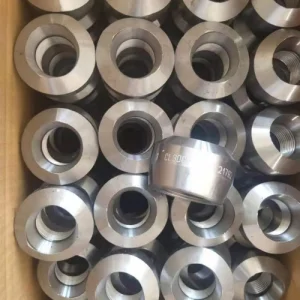
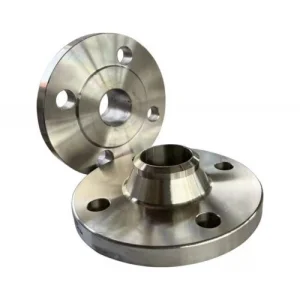
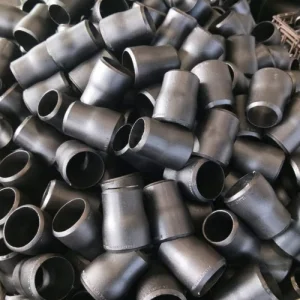
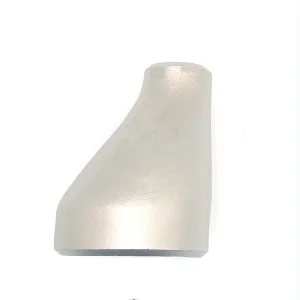
Featured Industrial Pipeline Components & Connections
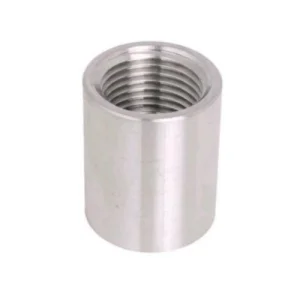
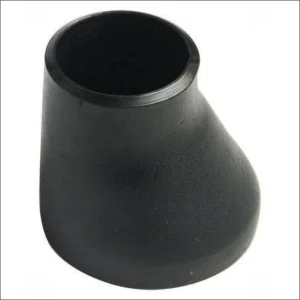
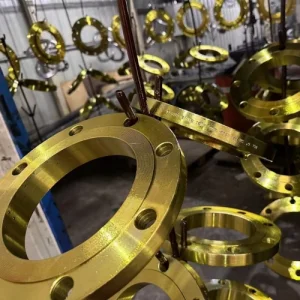
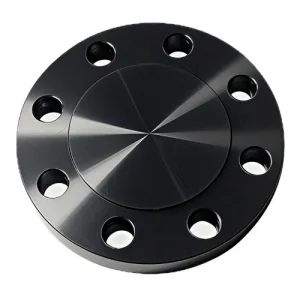
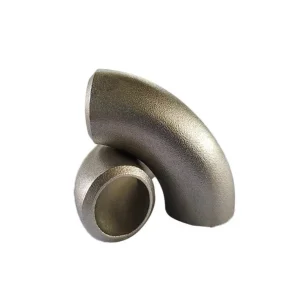
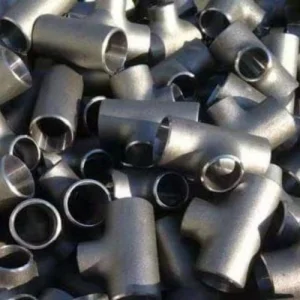
High-performance threadolets, heavy-duty flanges, and precision-engineered butt-weld reducers manufactured to strict ASME, ANSI, and ISO global standards.
1. The Evolving Ecosystem of China Fire Hose Pipe Exporting
The global fire safety and fluid transfer infrastructure landscape is undergoing a structural transformation. As municipal safety regulations tighten across North America, Europe, the Middle East, and Southeast Asia, the requirement for ultra-reliable, high-pressure Fire Hose Pipes and integrated piping systems has reached an unprecedented high. China has transitioned from a high-volume hardware manufacturer into an elite R&D hub for polymer-lined textile conduits, heavy-duty alloy couplings, and forged pipeline fittings.
As a premier China Fire Hose Pipe Exporter, top-tier manufacturing hubs leverage advanced industrial clusters like Cangzhou, Hebei—famous for high-precision metallurgical forging, seamless steel pipe rolling, and synthetic polymer extrusion. Modern emergency response demands holistic system integrity: a fire hose is only as strong as its interfacing flange, threadolet, or reducer connection. By pairing premium layflat fire hoses with heavy-duty ASME/ANSI compliant pipeline fittings (such as Class 3000 threadolets and PN10/PN16 weld neck flanges), Chinese suppliers provide turnkey fluid conveyance solutions that eliminate pressure bottlenecks and mechanical failure risks.
2. Deep Engineering: Layer-by-Layer Hose & Fitting Construction
Modern fire hose pipe performance relies on composite material dynamics. A premium fire hose must withstand intense internal hydrodynamic stress while enduring aggressive external physical abrasion, chemical exposure, and ambient thermal extremes.
Synthetic Textile Outer Jacket Architecture
The strength of a fire hose lies in its woven jacket. Utilizing high-tenacity polyester staple yarn woven tightly with continuous filament warp yarns, modern jackets achieve maximum tensile strength with minimal elongation under pressure. Double-jacket configurations feature an inner jacket encased within a heavy-duty outer sleeve, doubling abrasion life in rocky, industrial, or urban debris environments.
Extruded Internal Elastomer Linings
The internal lining determines friction loss coefficient, flexibility, and chemical compatibility:
- TPU (Thermoplastic Polyurethane): Exceptionally lightweight, ultra-smooth hydraulic surface, low friction coefficient, flexible at -40°C.
- EPDM (Ethylene Propylene Diene Monomer): Superior resistance to ozone, UV radiation, and high operational temperatures up to +150°C.
- NBR (Nitrile Butadiene Rubber): Industrial grade for hydrocarbon, oil, fuel, and heavy chemical resistance in refinery firefighting.
Integrating Layflat Hoses with Rigid Steel Pipelines
Fire suppression networks seamlessly bridge flexible layflat hoses and rigid piping mains. High-pressure pump outlets require specialized manifold connectors—such as CLASS 3000 Threadolets for branch connections, ANSI B16.5 Weld Neck Flanges for valve isolation, and ASME B16.9 Concentric & Eccentric Reducers to manage fluid acceleration and prevent cavitation in emergency water supply lines.
3. Global Engineering Specifications & Material Matrix
| Hose Category / Fitting Type | Nominal Size Spectrum | Working Pressure (WP) | Burst Pressure (BP) | Material Core Standard | Target Operational Environment |
|---|---|---|---|---|---|
| TPU Single-Jacket Fire Hose | 1.0" - 4.0" (DN25 - DN100) | 1.6 MPa - 2.5 MPa | 4.8 MPa - 7.5 MPa | Virgin TPU / Polyester Filament | Municipal Fire Engines, Commercial Buildings |
| NBR Double-Jacket Layflat Hose | 1.5" - 6.0" (DN40 - DN150) | 2.0 MPa - 4.0 MPa | 6.0 MPa - 12.0 MPa | Nitrile Rubber / Heavy Double Jacket | Oil Refineries, Offshore Rigs, Petrochemical |
| Class 3000 Threadolet Branch | 1/2" - 4" (DN15 - DN100) | 3000 PSI (20.6 MPa) | Hydrostatic Tested > 60 MPa | ASTM A105 / A182 F304/F316 | High-Pressure Pump Manifolds & Mains |
| ANSI B16.5 PN10/20# Flange | 1/2" - 24" (DN15 - DN600) | Class 150 / 300 / PN10 / PN16 | Full ASME Flange Standard | Forged Carbon Steel 20# / SS316L | Fire Hydrant & Valve Separation Nodes |
| ASME B16.9 Butt-Weld Reducer | 1/2" - 48" (DN15 - DN1200) | Matches Pipe SCH STD to XXS | Designed to Pipe Rating | ASTM A234 WPB / A403 WP304/316 | Manifold Flow Velocity Regulation |
4. Global Procurement & Total Cost of Ownership (TCO) Optimization
For enterprise EPC (Engineering, Procurement, and Construction) contractors, municipal fire departments, and industrial plant managers, selecting a China Fire Hose Pipe Exporter extends far beyond initial FOB price comparisons. Procurement decisions must evaluate lifetime operational reliability, risk of system failure during emergency discharge, and logistics compliance.
Delamination Risk Mitigation
Inferior vulcanization leads to liner separation from the textile jacket under pulsating water hammer pressures. High-quality Chinese factories employ continuous vulcanization ovens with co-extruded adhesive layers, ensuring liner adhesion strength exceeding 50 N/25mm.
Coupling Retention Systems
The bond between the fire hose and its metal coupling (Storzs, NH, Camlock, or BS Instantaneous) is a crucial failure point. Premium exporter lines utilize computer-controlled expansion ring locking or heavy-duty forged collar clamps engineered to withstand extreme end-pull loads.
Full Supply Chain Consolidation
By sourcing flexible hoses alongside matching forged pipe fittings, weld neck flanges, and concentric reducers from a single export group, buyers save up to 22% in freight costs, eliminate thread/flange mismatching, and streamline customs clearance.
5. Macro Industry Solutions: Field-Tested Application Scenarios
Scenario A: Offshore Oil Platforms & Marine Terminal Protection
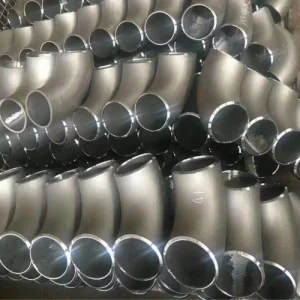
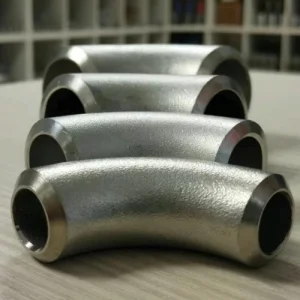
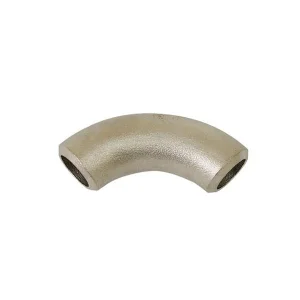
Offshore environments present high corrosion challenges. Salt mist, continuous UV radiation, and volatile hydrocarbons require double-jacket NBR or TPU layflat hoses equipped with bronze or 316L stainless steel couplings. The deck supply mains rely on SS316L Stainless Steel Pipe Fitting Elbows and high-pressure flanges to maintain zero-leakage structural integrity under continuous ocean wave movement.
Scenario B: High-Volume Mine Dewatering & Emergency Water Transfer
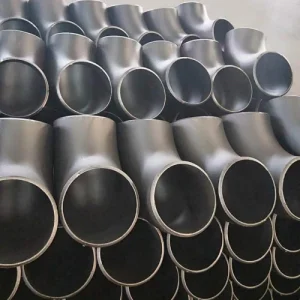
When open-pit mines or flood-stricken municipal zones require rapid bulk fluid transfer, large-diameter (6" to 12") TPU layflat hoses are deployed across kilometers of rough terrain. High flow velocities require heavy-wall Carbon Steel Seamless Bends (90Deg LR) and concentric reducers at pump discharge manifolds to manage hydrodynamic surge pressures without hose detachment.
Scenario C: Chemical Processing & High-Temperature Refineries
Corrosive chemical plants require specialty hoses lined with fluoropolymers or specialized NBR blends capable of resisting acidic water run-offs and solvent exposure. Static electricity build-up during rapid fluid flow is grounded through integrated copper wire strands woven into the hose jacket, connected directly to grounded forged steel flange systems.
6. Localized Support, Global Compliance & Quality Assurance
To maintain authoritative standing in international procurement tenders, leading Chinese fire hose exporters operate under stringent international Quality Management Systems:
Regulatory Compliance
Products strictly adhere to UL 19 (Standard for Safety for Fire Hose), FM Approval 2111, EN 14540 (for non-percolating layflat hoses), and MED (Marine Equipment Directive) certification for maritime safety.
Hydrostatic Testing
Every production batch undergoes 100% proof pressure testing (at 2x working pressure) for a minimum of 60 seconds, alongside destructive burst pressure testing on sample cuts to verify safety margins.
Customized OEM & Logistics
Full OEM customization available: color coding, reflective thread weaving, length customization (up to 100m continuous), localized stencil printing, and export packaging inside reinforced sea-worthy crates.
7. Technology Roadmap: Next-Generation Innovations
The fire protection industry is continuously innovating to meet evolving industrial threats:
Smart IoT Fire Hoses
Integration of passive RFID chips and continuous fiber-optic stress sensors inside the textile jacket, allowing automated tracking of usage hours, inspection history, and real-time internal pressure monitoring via cloud dashboards.
Aramid / Kevlar Hybrids
Utilizing Kevlar hybrid weaves for flashover fire situations, allowing hoses to withstand direct thermal contact up to 500°C without jacket charring or wall structural rupture.
Eco-Polymer Extrusion
Development of bio-based TPU materials and non-toxic, recyclable elastomers that eliminate hazardous fluorinated compounds while maintaining high abrasion resistance.
8. Frequently Asked Questions (FAQ)
Industrial Valves, Stainless Fittings & Heavy Bends
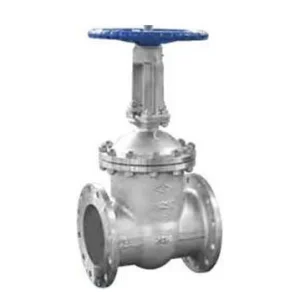
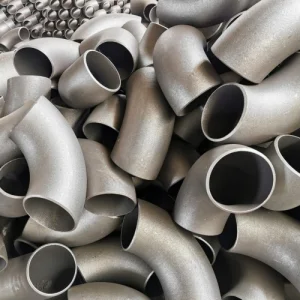
Complement your fire hose deployment networks with high-pressure stainless gate valves, seamless steel elbows, and forged pipe connectors.