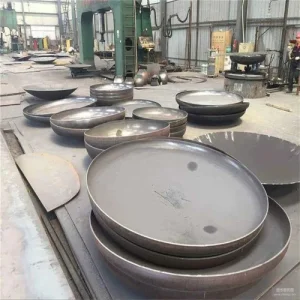
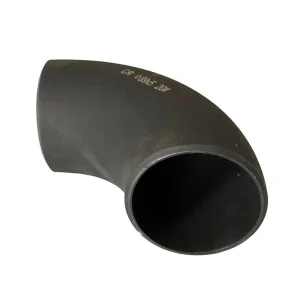
Precision Pipe Fittings & Heavy-Duty Flanges
Engineered for extreme pressure, thermal stress, and corrosive environments. Certified under ASME, DIN, GOST, and ISO global standards.
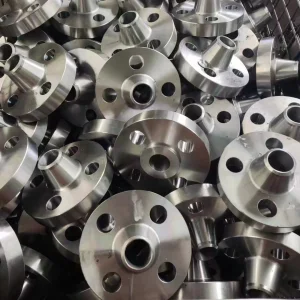
Famous High Pressure DIN 2638 DIN 2628 WN FLANGE WN-RF DN15 DN25 DN50 DN65 DN80 Carbon Steel PN160 PN250 A105 S235JR Weld Neck Flange
Explore Product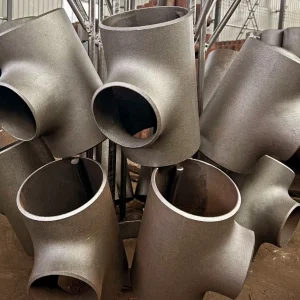
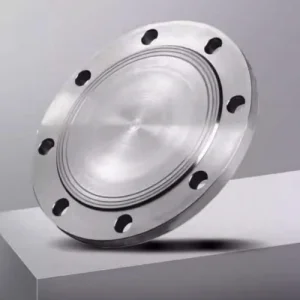
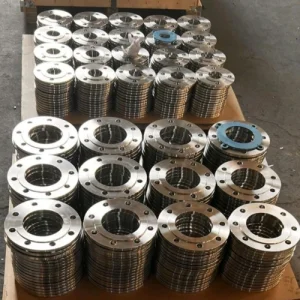
Wholesale Forged Welding Pipe Fitting Stainless Steel Flanges Manufacturer, Companies
Explore Product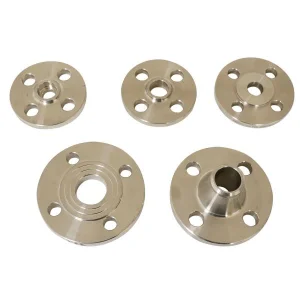
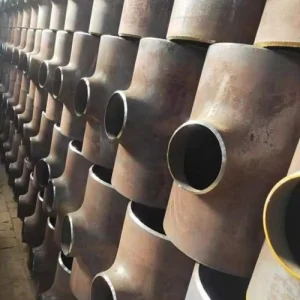
Industrial Carbon Steel Tees: Structural Integrity, Material Science, and Mechanical Superiority
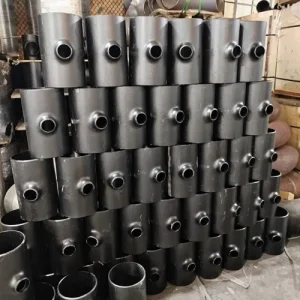
In modern fluid transmission networks—ranging from supercritical power plants to cross-country natural gas trunklines—the pipe tee is a vital structural component. Carbon steel tees act as critical junctions designed to divide or combine fluid flow while enduring severe mechanical bending moments, high internal pressure spikes, and harsh environmental stressors.
ASTM A234 WPB & High-Yield Grades
ASTM A234 WPB serves as the international benchmark material for moderate and elevated temperature applications. For heavy-duty pipeline infrastructure, high-yield grades such as MSS-SP-75 WPHY 42, 52, 60, 65, and 70 deliver enhanced tensile capabilities without sacrificing weldability.
Grain Boundary Refinement & Heat Treatment
Thermal processing—specifically normalizing or quenching and tempering—refines the ferrite-perlite microstructure. This process eliminates residual forging stresses, guarantees uniform impact toughness at sub-zero temperatures (down to -46°C for ASTM A420 WPL6), and prevents catastrophic brittle fracture.
Stress Redistribution at Branch Connections
The 90-degree intersection of a tee branch represents a geometry-induced stress intensification zone. Advanced finite element analysis (FEA) guides wall thickness transitions, ensuring extra reinforcement material at the crotch area to withstand fatigue from pulsation and thermal cycling.
Information Gain Insight: Equal Tees vs. Reducing & Barred Tees
While equal tees maintain consistent nominal diameters across the run and branch, reducing tees require specialized cold hydraulic bulking to achieve smooth, turbulence-reducing transitional geometry. For intelligent pigging operations in oil and gas pipelines, barred tees feature internal guide bars welded across the branch opening to prevent scraper pigs from getting stuck or damaged during inspection passes.
Macroeconomic Trends & Procurement Demands in Global Infrastructure
The global market for seamless and welded carbon steel tees is evolving rapidly, driven by the global energy transition, mega LNG liquefaction expansion, subsea oil gathering projects, and massive urban heating revamps across North America, Europe, the Middle East, and Southeast Asia.
1. Hydrogen-Ready Pipeline Infrastructure
As global energy majors pivot toward hydrogen and natural gas blending, pipeline components must meet strict microstructural resistance against hydrogen embrittlement. Modern carbon steel tees require low carbon equivalent (CE) metallurgy and controlled hardness testing (HV10 < 235) in compliance with NACE MR0175/ISO 15156 for sour service and hydrogen blending.
2. Total Cost of Ownership (TCO) & Supply Resilience
Global EPC contractors are shifting away from fragmented supplier purchasing. Procuring matched piping packages—including carbon steel tees, elbows, reducers, flanges, and valves—from a single validated manufacturing hub significantly reduces logistical overhead, eliminates site fitting mismatches, and reduces expensive installation delays.
China Industry 4.0 Engine: Cangzhou Pipeline Cluster & Smart Manufacturing
Located in Cangzhou, Hebei Province—the heartland of China's pipeline equipment manufacturing—HEBEI CANGRUN PIPELINE EQUIPMENT CO., LTD., together with its group subsidiary factories (Cangzhou Feiwo Metal Products Co., Ltd. and Cangzhou Feixiang Metal Products Co., Ltd.), leads the transition toward digitalized industrial production.
Cold Hydraulic Bulking & Hot Pressing
Using high-tonnage hydraulic forming equipment, seamless carbon steel pipe raw material is pressurized internally while being compressed axially. This creates branch protrusions with uniform wall thickness, exceptional surface finish, and consistent grain flow.
Automated NDT & Quality Control
Every carbon steel tee undergoes non-destructive testing (NDT), including Ultrasonic Testing (UT) for internal lamination defects, Radiographic Testing (RT) on welded seams, Magnetic Particle Inspection (MPI) for surface cracks, and Positive Material Identification (PMI) chemical verification.
Supply Chain Resilience & Raw Stock
Our strategically maintained inventory of high-grade seamless steel tubes (ASTM A106 Grade B/C, API 5L X42-X70) guarantees rapid production lead times. Integrated supply chains protect overseas buyers against global raw material price fluctuations.
International Manufacturing Standards & Specification Comparison
Our carbon steel tees are fully customized and manufactured to comply with global engineering standards across North America, Europe, Japan, and Eurasia.
| Standard Ref. | Origin / Domain | Size Range | Wall Thickness / Pressure | Material Specifications |
|---|---|---|---|---|
| ASME B16.9 | American Standard | 1/2" to 48" (DN15 - DN1200) | SCH 10S to SCH XXS (up to 150mm) | ASTM A234 WPB, WPC, WPHY 42/52/60/65/70 |
| DIN 2615-1 / 2 | German / European | DN15 to DN1000 | PN10 to PN400 Bar | St37.0, St52.0, C22.8, P235GH, P265GH |
| EN 10253-2 | European Union | DN15 to DN1200 | Type A & Type B Full Pressure Rating | P235GH, P265GH, L290NB, L360NB |
| GOST 17376 | Russian / CIS Region | DN15 to DN1000 | PN2.5 to PN160 MPa | Steel 20, 09G2S, 1215G, 15GS |
| JIS B2311 / B2312 | Japanese Standard | 15A to 600A | SGP, SCH 40 to SCH 80 | PT410, PY400, STS370 |
Custom Beveling & Surface Protection Engineering
All carbon steel tees feature precision CNC machined weld bevels in according to ASME B16.25 (Plain End, Compound Bevel, or Compound J-Prep for automated orbital welding). Anti-corrosion surface treatments include black rust-preventative paint, hot-dip galvanizing (HDG), fusion-bonded epoxy (FBE), or 3-layer polyethylene/polypropylene (3LPE/3LPP) coatings.
Engineered Applications Across Critical Global Industries
Our carbon steel tees operate reliably in severe environment applications across major global infrastructure sectors.
Petrochemical & Refinery Units
Installed in catalytic cracking, hydrotreating, and ethylene furnace manifold systems operating under extreme pressure cyclic loads and elevated temperatures exceeding 400°C.
Thermal & Nuclear Power Plants
Utilized in main steam transmission lines, boiler feed water piping, and turbine bypass circuits where resistance to thermal fatigue and high pressure flow vibration is critical.
Cross-Country Oil & Gas Pipelines
Integrated into high-yield transmission lines (API 5L X52 through X70), pig launcher/receiver stations, and offshore FPSO top-side modules with sour service compliance.
Frequently Asked Questions for Engineering & Procurement Teams
Detailed technical answers addressing quality assurance, structural design, testing compliance, and global shipping logistics.
Secondary Product Showcase & Custom Piping Systems
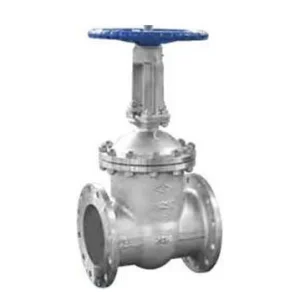
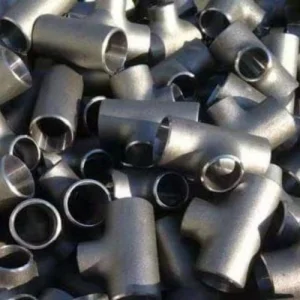
Full portfolio including custom reducing tees, short and long radius elbows, end caps, and high-pressure industrial valves.
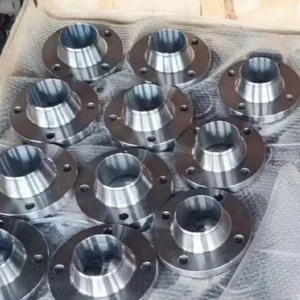
China DIN GOST BS ASME B16.5 ANSI Stainless Steel SS304 316L 316 150lb 8" 24′′ Stainless Steel Flange Weld Neck Flange Manufacturer, Exporters
Explore Product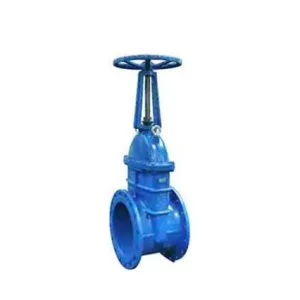
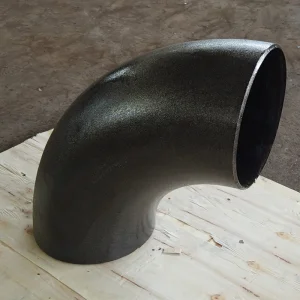
Best Customized Drawings ASME B16.9 304 316 2d 3d 5d 30 35 45 Degree Weld Bend Stainless Steel Carbon Steel 90 Degree 18 Inch Elbow Company, Service
Explore Product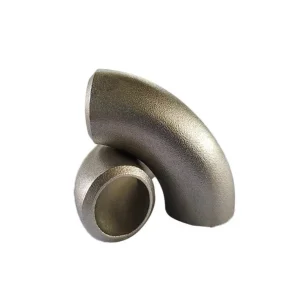
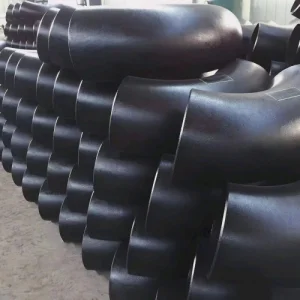
Best Butt Welded Pipe Fitting SS304L 1" Sch40 Short Radius Elbow Supplier, Suppliers
Explore Product