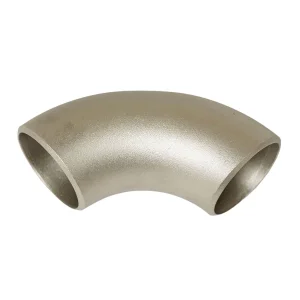
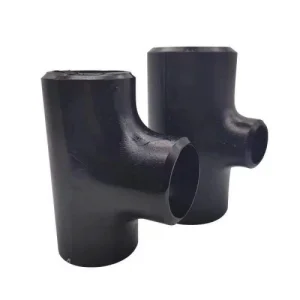
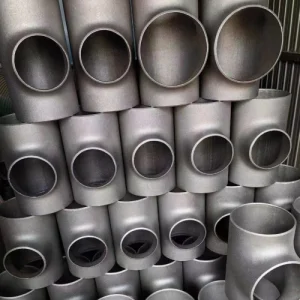
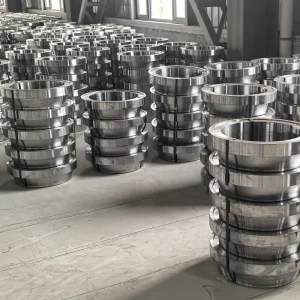
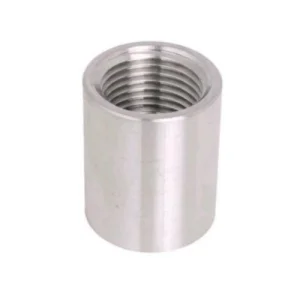
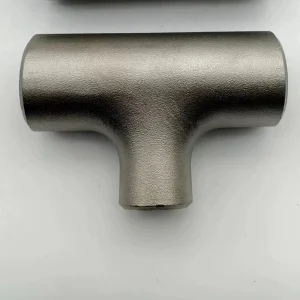
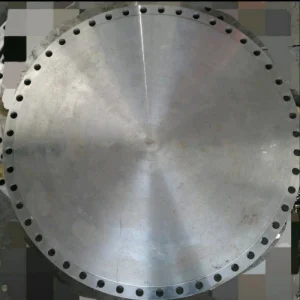
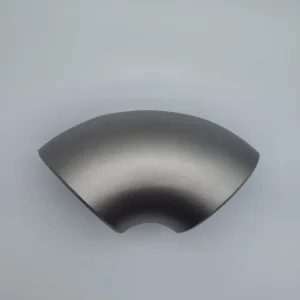
Featured Forged Steel Flanges & Precision Pipe Fittings
Explore our core product line manufactured to international standards (ASME, DIN, EN, JIS) with full heat-lot traceability and mill certs.
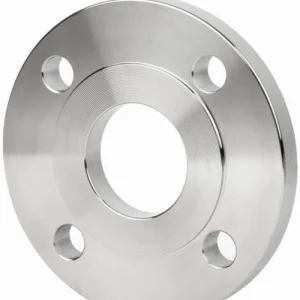
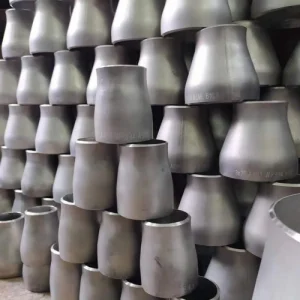
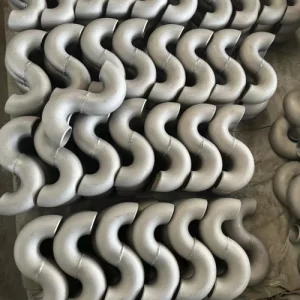
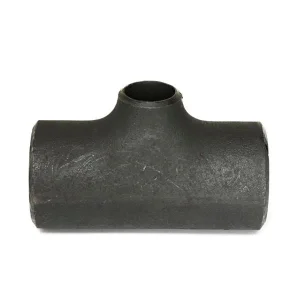
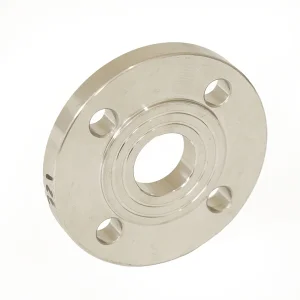
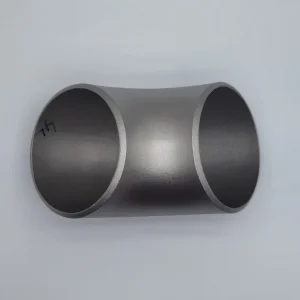
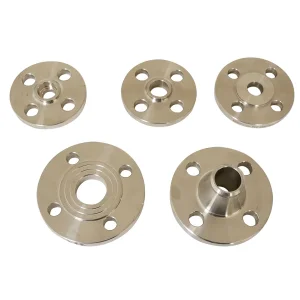
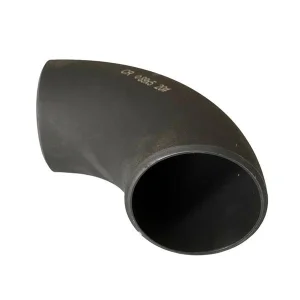
Forged Steel Flanges Industry Development & Macro Trends
Analyzing metallurgical advancements, precision forging technology, and critical market forces reshaping industrial piping systems worldwide.
Advanced Grain Alignment Metallurgy
Modern forging relies on closed-die thermal forging processes that realign internal micro-grain structures along directional stress lines. Unlike cast or plate-cut alternatives, forged steel flanges offer superior yield strength, extreme fatigue tolerance, and zero internal porosity under high cyclic pressures.
Energy Transition & Hydrogen Readiness
With global shifts toward Green Hydrogen, Carbon Capture (CCUS), and Supercritical CO2 transportation, flange integrity requirements have reached unprecedented strictness. Specialized low-alloy and austenitic duplex forgings (e.g., F51/F53/F91) are replacing standard carbon steels to combat hydrogen embrittlement.
Real-Time Automated QC & Machining
Computer Numerical Control (CNC) machining centers integrated with 3D laser-coordinate measuring systems now ensure bolt-circle tolerances, gasket-face serrations (125-250 RMS), and hub tapers remain accurate within fractions of a millimeter, reducing field installation errors.
“In high-pressure petrochemical networks, the mechanical cost of flange failure far exceeds component prices. Precision die-forging combined with certified heat treatment ensures catastrophic shear prevention under severe thermal expansion cycles.”
Global Enterprise Procurement Requirements
Understanding regional demand drivers across mega-scale infrastructure, LNG export hubs, offshore platforms, and refinery modernizations.
Middle East Hydrocarbon & Desalination
Heavy demand for ASTM A105N and ASTM A350 LF2 low-temperature carbon steel flanges rated Class 300 to Class 1500. Large-diameter ASME B16.47 Series A/B flanges are essential for crude oil gathering networks and high-salinity seawater desalination plants.
North American LNG Export Outlets
Projects require cryogenic-grade ASTM A182 F304/F304L and F316/F316L stainless steel weld neck flanges with Ring Type Joint (RTJ) facings to handle liquid natural gas at temperatures as low as -196°C (-320°F).
European Green Energy & Offshore Wind
Rising adoption of Super Duplex Stainless Steel (UNS S32750 / F53) and Nickel Alloy flanges for offshore substation platforms, subsea manifolds, and hydrogen blending transport infrastructure needing zero-maintenance corrosion protection.
High-Pressure Piping Solutions & Material Matrix
Comprehensive metallurgical and dimensional guide for EPC procurement engineers, piping designers, and quality inspectors.
| Material Standard | Material Grade | Tensile Strength (MPa) | Yield Strength (MPa) | Operating Temp Range | Primary Industrial Applications |
|---|---|---|---|---|---|
| ASTM A105 / A105N | Carbon Steel | ≥ 485 | ≥ 250 | -29°C to 425°C | General oil, gas, steam & utility piping systems (Class 150 - 1500) |
| ASTM A350 | LF2 Class 1/2 | 485 - 655 | ≥ 250 | -46°C to 425°C | Low-temperature gas processing, Arctic onshore, cryogenic service |
| ASTM A182 | F304 / F304L | ≥ 485 | ≥ 170 | -196°C to 815°C | Chemical processing, food & beverage, nitric acid, cryogenic pipelines |
| ASTM A182 | F316 / F316L | ≥ 485 | ≥ 170 | -196°C to 870°C | Marine environments, pharmaceutical, chloride acid environments |
| ASTM A182 | F51 (Duplex 2205) | ≥ 620 | ≥ 450 | -50°C to 300°C | High-chloride sour gas, offshore topsides, seawater cooling pipelines |
| ASTM A182 | F91 (Alloy Steel) | 585 - 760 | ≥ 415 | Up to 650°C | Supercritical steam power plants, boiler headers, high-temp refining |
Weld Neck Flanges (WN)
Designed with a long tapered hub that transfers stress to the pipe itself, reducing high stress concentrations at the base of the flange. Preferred for high-pressure, high-temperature, cyclic loading environments.
Slip-On Flanges (SO)
Economical solution slid over the pipe outer diameter and fillet welded both inside and outside. Offers easier alignment during field setup; suited for low-to-medium pressure installations.
Blind Flanges (BL)
Solid disk forgings used to seal the end of a piping run, pressure vessel opening, or inspection port. Engineered to sustain substantial pressure loads caused by fluid dynamics and internal expansion.
Localization Support, Quality Assurance & Certification
Ensuring global compliance through rigorous non-destructive testing, certified mill documentation, and international code adherence.
NACE MR0175 / ISO 15156 Sour Service
Flanges bound for H2S-containing hydrocarbon processing undergo specialized heat treatments (NACE Hardness Testing, HIC & SSC testing) to guarantee immunity against sulfide stress cracking.
EN 10204 3.1 & 3.2 Traceability
Every forging order is accompanied by a full Mill Test Report (MTR) detailing chemical heat analysis, mechanical tensile/yield testing, Charpy V-notch impact values, and 100% heat number traceability.
Non-Destructive Testing (NDT) Suite
Optional and standard non-destructive examinations include Ultrasonic Testing (UT) for internal voids, Magnetic Particle Testing (MT) for surface linear discontinuities, and Positive Material Identification (PMI) alloy verification via XRF spectrum analyzer.
Forged Steel Flanges Pricelist Dynamics & Technology Roadmap
Understanding factory direct pricing mechanics and next-generation smart piping hardware implementation.
Flange Pricing Factors Breakdown
Factory pricing for forged steel flanges is determined by key metallurgical and manufacturing variables:
- Raw Material Index: Fluctuation of carbon steel round billets (A105) vs. alloy/nickel ingot costs.
- Forging Method: Seamless die-forging vs. ring-rolling for large diameter flanges (DN600+).
- Heat Treatment Requirements: Normalizing, Quenching & Tempering (Q&T), or Solution Annealing cycles.
- Machining Precision & Facing: Custom Ring Type Joint (RTJ) or tongue-and-groove machining vs standard Raised Face (RF).
2025–2030 Technology Roadmap
Looking toward the future of heavy industrial fluid transmission:
- IoT-Enabled Smart Flanges: Integration of micro strain gauges and fiber-optic sensors to monitor bolt torque retention and gasket stress in real-time.
- Additive-Forging Hybridization: Utilizing 3D laser-cladding on inner flange bores to coat carbon steel bodies with corrosion-resistant Inconel 625 layers.
- Zero-Emissions Forging Furnaces: Shifting factory operations to electric induction heating to minimize carbon footprint per metric ton of forged steel produced.
Frequently Asked Questions by Purchasing & Engineering Teams
Expert answers addressing flange selection, certification standards, pressure ratings, and delivery logistics.
What is the structural difference between standard cast flanges and forged steel flanges?
How does ASTM A105 differ from ASTM A105N?
Which standards govern flange dimensions and pressure temperature ratings?
What flange facing finish is required for standard spiral wound gaskets?
How can buyers verify the material authenticity of imported flanges?
What is the lead time and packing standard for international flange exports?
Complete Piping Package Products
Explore matching forged fittings, stainless elbows, tees, and heavy wall pipe reducers to complete your bill of materials.