
Precision Steel Piping & Connection Solutions
Direct factory supply manufactured under ISO 9001:2015, ASME B16.9, and EN 10253 compliance.
Fluid Dynamics & Metallurgy of Carbon Steel Reducers
A comprehensive examination of concentric and eccentric reducer mechanics in high-stress piping environments.
Concentric Reducer Hydrodynamics
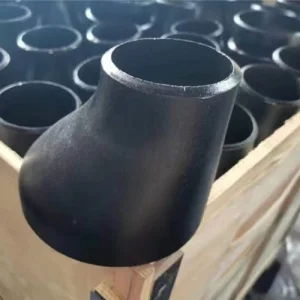
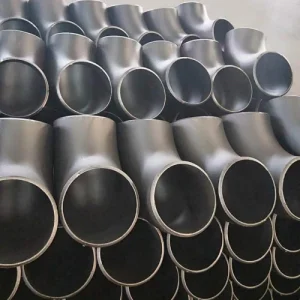
Designed with a shared center line, concentric carbon steel reducers are engineered to facilitate smooth, symmetrical fluid transition between pipes of differing nominal diameters. Primarily applied in vertical process risers and straight horizontal runs where gas entrapment is not a critical risk, concentric geometry minimizes head loss and turbulent boundary-layer separation. Under ASME B16.9 standards, the taper angle is mathematically optimized (typically between 15° and 30°) to prevent localized erosion-corrosion caused by high velocity fluid impingement.
Eccentric Reducer Fluid Control
Eccentric carbon steel reducers feature an offset center line, creating a flat-on-one-side profile (either flat-bottom or flat-top). Flat-bottom installation is mandatory at centrifugal pump suction inlets to prevent vapor pocket accumulation, cavitation, and subsequent impeller degradation. Conversely, flat-top configurations in overhead gas lines ensure liquid condensate drains freely without pooling. Manufacturing eccentric reducers requires advanced multi-stage cold pressing or hot die-forming to maintain precise wall thickness distribution along the asymmetric slope.
Comprehensive Carbon Steel Reducer Material Matrix
Engineering parameters, chemical composition thresholds, and global specification equivalencies for structural compliance.
| Standard Specification | Material Grade | Tensile Strength (MPa) | Yield Strength (MPa) | Carbon Equiv. (CE max) | Primary Industrial Application |
|---|---|---|---|---|---|
| ASTM A234 / ASME SA234 | Grade WPB | 415 - 585 | ≥ 240 | ≤ 0.43% | General oil & gas pipelines, refinery process lines, steam transport. |
| ASTM A234 / ASME SA234 | Grade WPC | 485 - 655 | ≥ 275 | ≤ 0.45% | Higher pressure boilers, fossil fuel power plant high-temp steam headers. |
| ASTM A420 / ASME SA420 | Grade WPL6 | 415 - 585 | ≥ 240 | ≤ 0.43% | Cryogenic service, LNG receiving terminals, sub-zero low temp applications (-46°C). |
| MSS SP-75 | WPHY 52 / 60 / 65 | 500 - 655 | ≥ 360 - 450 | ≤ 0.42% | High-yield cross-country crude oil and natural gas transmission pipelines. |
| EN 10253-2 / DIN 2616 | P235GH / P265GH | 360 - 500 | ≥ 235 - 265 | ≤ 0.39% | European standard pressure equipment, district heating, petrochemical plants. |
Metallurgical Chemical Control & NACE MR0175 Compliance
In aggressive industrial environments containing wet hydrogen sulfide ($H_2S$), hydrogen-induced cracking (HIC) and sulfide stress corrosion cracking (SSCC) represent catastrophic failure mechanisms for carbon steel piping components. Premium exporters enforce rigorous carbon equivalent ($CE$) calculations:
$$CE = C + \frac{Mn}{6} + \frac{Cr + Mo + V}{5} + \frac{Ni + Cu}{15}$$
To satisfy NACE MR0175 / ISO 15156 requirements for sour service, carbon steel reducers undergo targeted normalizing heat treatments, sulfur content limitation below 0.005%, and strict microhardness caps below 22 HRC (Hardness Rockwell C). This grain refinement eliminates residual stress induced during cold extrusion or hot mandrel forming operations.
Why Sourcing Carbon Steel Reducers from China Advantageous
An institutional analysis of structural cost efficiencies, technical capacity, and supply chain maturity.
Integrated Raw Steel Ecosystem
Chinese pipeline equipment hubs, such as Cangzhou in Hebei Province, benefit from immediate proximity to world-class steel mills (Baosteel, Shougang, HBIS). Direct supply contracts for seamless raw pipes and high-grade carbon steel plates ensure batch-to-batch chemical homogeneity, lower raw material transport tariffs, and guaranteed mill test certificates (EN 10204 3.1) with full heat-number traceability.
Advanced Extrusion Technology
Leading Chinese factories utilize automated dual-cylinder hydraulic cold-push machines and high-frequency induction heating mandrel expansion systems. This technological infrastructure permits continuous manufacturing of large-diameter reducers (up to 80 inches) with uniform wall thickness tolerances exceeding ASME B16.9 minimum requirements (maintaining >87.5% of nominal wall thickness at the slope transition zone).
Agile Export Logistics & Speed
China's maritime export infrastructure, anchored by major deep-water ports including Tianjin (Xingang), Qingdao, and Shanghai, offers global buyers unmatched shipping frequencies. Chinese exporters excel at managing containerized, breakbulk, and ISO-tank shipments, featuring standardized anti-rust varnishing, end-capping, and sea-worthy wooden case packing tailored for international transit.
Industry Solutions Across Global Infrastructure Sectors
Engineering integration of carbon steel reducers in high-pressure, thermal, and corrosive processing setups.
1. Oil & Gas Transmission Pipelines
Cross-country pipelines transport crude oil and natural gas over vast distances under operating pressures reaching up to 15 MPa. High-yield carbon steel reducers (such as MSS SP-75 WPHY 60/65/70) are critical for smooth diameter transitions near compressor stations and pig launcher/receiver traps. These components must withstand high cyclic pressure pulsations, soil settlement loads, and extreme thermal fluctuations without suffering fatigue cracking.
2. Petrochemical & Refining Units
In fluid catalytic cracking (FCC) and hydrocracking circuits, pipe reducers endure temperatures exceeding 400°C alongside high hydrocarbon velocities. Concentric reducers manufactured from ASTM A234 WPB or WPC are utilized to connect process heat exchangers, distillation columns, and fractionating towers. Uniform wall thickness is imperative to resist thermal fatigue and localized high-velocity erosion.
3. Thermal & Nuclear Power Plants
Power generation facilities operate critical high-pressure steam supply circuits and boiler feed water systems. Heavy-wall seamless carbon steel reducers (SCH 160 and XXS ratings) maintain system structural integrity under extreme temperature gradients. Seamless manufacturing eliminates long-seam weld fatigue risks, ensuring absolute compliance with ASME Boiler and Pressure Vessel Code (BPVC) Section I and VIII.
4. Offshore Production & FPSO Vessels
Floating Production Storage and Offloading (FPSO) topside piping systems demand lightweight, high-strength fittings due to structural weight limits. High-yield carbon steel eccentric reducers with internal CRA cladding (corrosion-resistant alloy) or specialized epoxy-phenolic external coatings provide severe marine atmospheric protection and resistance to sour crude exposure.
Next-Generation Carbon Steel Reducer Manufacturing Trends
How digital quality assurance, automated beveling, and green metallurgy are shaping the enterprise market.
AI Ultrasonic Wall Scanning
Leading Chinese exporters are deploying automated 3D ultrasonic wall thickness scanners connected to AI quality assessment engines. Every reducer undergoes automated continuous wall mapping during die extrusion to detect sub-surface laminations, wall thinning, or dimensional deviations, ensuring zero-defect dispatches to global sites.
Robotic Precision Beveling
Modern weld preparation demands pristine weld end geometries. Computer Numerical Control (CNC) robotic beveling machines produce standard compound bevels (ASME B16.25) with exact root face tolerances, facilitating seamless automated orbital welding on cross-country pipeline construction projects.
Green Induction Forging
Transitioning from coal-fired reverberatory furnaces to clean electrical induction heating reduces carbon footprints by up to 45% during pre-heating. Furthermore, clean induction heating eliminates surface oxidation scale formation, guaranteeing precise dimensional surface finish prior to shot blasting.
Enterprise Purchasing Risk Mitigation Checklist
A procedural framework for global EPC buyers, procurement officers, and quality assurance engineers.
1. Quality Plan & Inspection Protocols (ITP)
Always specify Third-Party Inspection (TPI) options (SGS, BV, TUV, Intertek) in purchase contracts. Ensure the manufacturer's Inspection Test Plan covers:
- 100% Dimensional Check (OD, ID, Wall Thickness, End Bevel Angle, Length).
- Positive Material Identification (PMI) via XRF analyzer on every heat lot.
- Hydrostatic testing or Non-Destructive Testing (RT / UT / MT) on welded seams.
- Microstructure examination for grain size and band structure.
2. Documentation & Traceability Verification
Demand certified Mill Test Reports (MTR) according to EN 10204 3.1 or 3.2 standards. MTR documents must include:
- Exact heat number matched to hard-stamped markings on the reducer body.
- Full ladle and product chemical analysis (C, Mn, P, S, Si, Cr, Ni, Mo, Cu, V).
- Mechanical test results (Tensile strength, Yield strength, Elongation, Charpy V-notch impact values at specified temperatures).
- Heat treatment furnace charts (temperature profile, soak time, cooling medium).
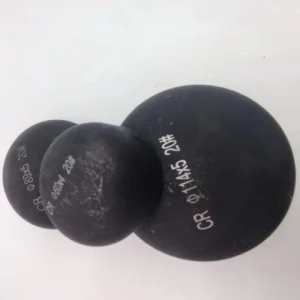
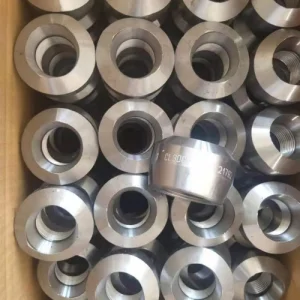
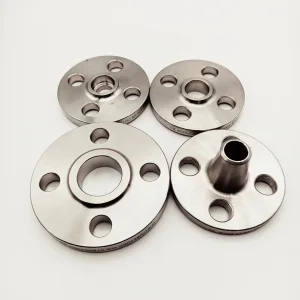
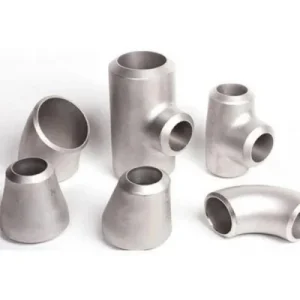
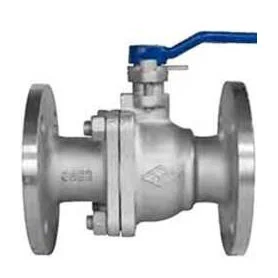
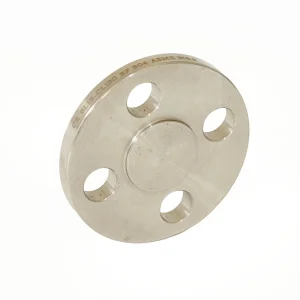
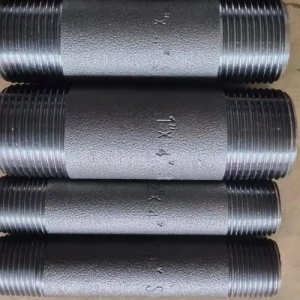
High-Performance Industrial Fittings & Valves
Complementary piping inventory engineered for global distribution and plant construction projects.
Frequently Asked Questions (FAQ)
Expert engineering answers regarding procurement, standards, and technical specifications for carbon steel reducers.
Request a Custom Engineering Quote & Factory Audit Dossier
Connect directly with our senior pipeline engineering team in Cangzhou, China for technical consultations, product catalogs, mill test certificates, and factory-direct wholesale pricing.