
High-Precision Industrial Piping Components
Explore direct factory-grade slip-on flanges, weld neck flanges, valves, and butt-weld fittings certified for global industrial projects.
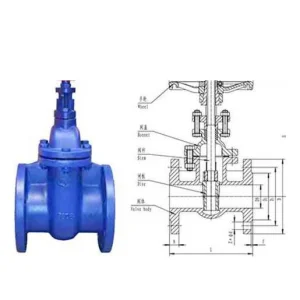
Famous Wedge Gate Valve A+Z45T/W-10/16 Suppliers
View Product Specs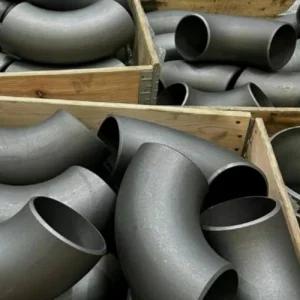
Wholesale 1.5D LR Carbon Steel Elbow Factories
View Product Specs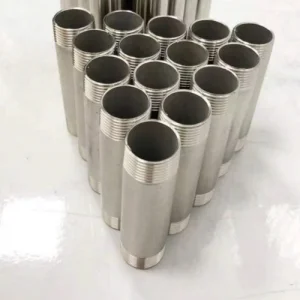
Carbon & Stainless Steel Pipe Nipple Series
View Product Specs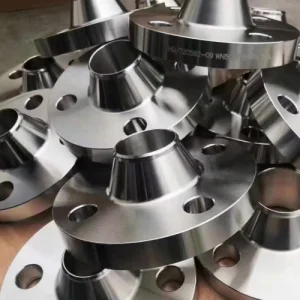
Best Flange Class 600 ASME B16.5 Suppliers
View Product Specs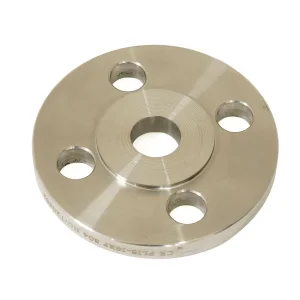
ANSI 6 Inch Forged Class 150 Stainless SO Flange
View Product Specs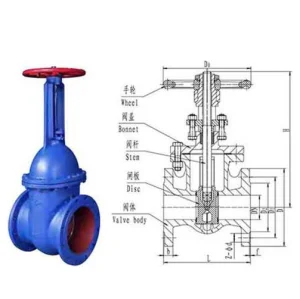
Parallel Double Gate Valve Z44T/W-10/16Q
View Product Specs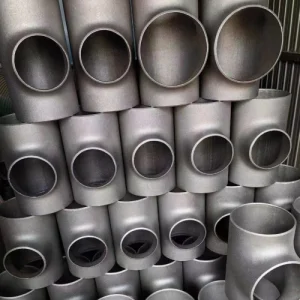
Stainless Steel BW Equal Tee SS316/SS304
View Product Specs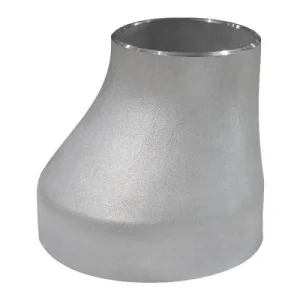
Pipe Reducer 6"x4" SCH40 ASME B16.9 A234WPB
View Product SpecsExecutive Summary & Slip On Flange Structural Mechanics
In modern industrial process engineering, selecting the proper flange connection is paramount to system integrity, leak prevention, and life-cycle economics. A Slip On Flange (SO Flange) is a hubbed or flat flange designed to slide over the outer diameter of an adjoining pipe. Unlike Weld Neck (WN) flanges, which feature a long tapered hub butt-welded directly to the pipe, a slip-on flange is positioned so that the pipe end sits slightly back from the flange face, allowing for dual-fillet welding—one fillet weld on the internal bore wall and another fillet weld on the outer hub collar.
This structural setup offers remarkable installation simplicity and cost-effectiveness. Field alignment requires less precision machining than butt-weld beveling, making slip-on flanges the preferred selection for low-to-medium pressure utility pipelines, municipal waterworks, HVAC thermal loops, fuel oil transfer systems, and non-critical process lines across global refinery networks.
Engineering Rule of Thumb for Slip-On Flange Welding
According to ASME B31.3 Process Piping codes, when installing a slip-on flange, the pipe end must be set back inside the flange face by a distance equal to the pipe wall thickness plus 1/16 inch (1.5 mm). This precise gap prevents weld spatter from damaging the sealing gasket surface during internal fillet welding and accommodates thermal expansion differential between the pipe and flange hub.
Dimensional Standards & International Code Compliance
Leading enterprise procurement teams require strict compliance with international manufacturing codes. Slip-on flanges produced by elite suppliers adhere to stringent dimensional tolerances and material standards:
- ASME B16.5: Pipe Flanges and Flanged Fittings (NPS 1/2 through NPS 24) covering Class 150, Class 300, Class 600, Class 900, and Class 1500.
- ASME B16.47 Series A & B: Large Diameter Steel Flanges (NPS 26 through NPS 60) for heavy-duty pipeline infrastructure.
- EN 1092-1 Type 12: European standard hubbed slip-on flanges for welding, rated from PN6 to PN100.
- DIN 2527 / DIN 2576: German industrial standards for flat plate slip-on flanges used in low-pressure fluid transport.
- JIS B2220: Japanese Industrial Standards covering 5K, 10K, 16K, and 20K flange connections.
Sealing Face Configurations
Depending on working fluid, pressure class, and gasket material, slip-on flanges are machined with specialized sealing face finishes:
Raised Face (RF)
The most widely specified facing. The 1/16" (1.6mm) or 1/4" (6.4mm) raised surface concentrates bolt load onto a smaller gasket area, ensuring superior sealing for Class 150 to Class 600 services.
Flat Face (FF)
Utilized primarily when mating with cast iron valves or fragile equipment flanges. Provides full-face contact to prevent bending moments that could crack cast iron bodies.
Ring Type Joint (RTJ)
Machined with a precise deep metallic groove designed to accommodate metallic ring gaskets (R, RX, or BX series) for high-pressure, high-temperature, or toxic fluid isolation.
Why Procurement Directors Source Slip-On Flanges from Cangzhou, China
Analyzing the industrial cluster synergy, metallurgical control, and cost optimization of Hebei pipeline manufacturers.
Raw Material Billet Economy
Cangzhou manufacturers leverage direct supply contracts with tier-1 steel mills (Baosteel, Shougang, HBIS), securing fully killed carbon steel (ASTM A105) and stainless steel (304/316L) forging stock at optimized bulk rates.
Closed-Die Ring Rolling Mills
Advanced Chinese factories utilize automated 5,000-ton hydraulic forging presses and radial-axial ring rolling machines. Forging eliminates internal porosity and micro-voids inherent in cheap cast flanges, guaranteeing structural density.
High-Precision CNC Machining
Multi-axis CNC lathes execute precise serrated concentric or spiral phonographic face machining (Ra 3.2–6.3 µm) and strict bolt hole positioning, ensuring perfect field alignment without thermal distortion.
Rigorous Quality Assurance & NDT
Factory Quality Management Systems (ISO 9001, PED 2014/68/EU) conduct 100% Ultrasonic Testing (UT), Magnetic Particle Inspection (MT), and PMI chemical verification prior to shipping.
Port Proximity & Container Logistics
Located within 150 km of Tianjin Port (Xingang), Cangzhou exporters minimize inland freight expenditures, facilitate FCL/LCL consolidation, and enable flexible FOB, CIF, or DDP delivery terms.
OEM Customization & MTR Transparency
Custom bore dimensions, heavy-wall schedules (SCH 160 / XXS), non-standard outer diameters, and laser-engraved EN 10204 3.1 heat numbers provide complete traceability for EPC audits.
Global Industry Trends Shaping Flange Manufacturing
The global industrial piping market is undergoing rapid technological evolution driven by sustainability mandates, digital transformation, and extreme-environment energy projects. Forward-thinking procurement officers prioritize suppliers who actively embrace these macroeconomic shifts:
1. Green Forging & Decarbonized Metallurgical Supply Chains
With global carbon border adjustment mechanisms (such as the EU's CBAM) taking effect, leading Chinese forging facilities are transitioning from traditional coal-fired heating furnaces to electric induction heating systems powered by green energy grids. Heat recovery systems during solution annealing and normalizing heat treatment cycles significantly reduce the embodied carbon footprint per ton of forged slip-on flanges.
2. RFID & QR-Code Embedded Smart Material Traceability
Paper Material Test Reports (MTRs) are being replaced by digital traceability solutions. Top-tier slip-on flange manufacturers etch unique QR codes or install rugged RFID tags on flange rims. Scanning the code instantly surfaces heat treatment curves, chemical ladle analysis, mechanical tensile test reports, and hydrostatic test records verified against EN 10204 3.1/3.2 standards.
3. High-Yield Alloy Metallurgy for Clean Energy Infrastructure
As investments expand in Liquefied Natural Gas (LNG) receiving terminals, offshore wind platform utility systems, and green hydrogen transportation networks, demand for specialty alloy slip-on flanges is accelerating. Suppliers now stock low-temperature carbon steels (ASTM A350 LF2 Class 1/2), Duplex stainless steels (UNS S31803 / 2205), Super Duplex (UNS S32750 / 2507), and nickel alloys (Inconel 625, Hastelloy C276) capable of resisting localized pitting and sulfide stress cracking (NACE MR0175/ISO 15156).
Flange Type Comparative Engineering Matrix
Evaluate structural performance, installation speed, stress life, and cost factors across industrial flange styles.
| Flange Type | Joint Welding Method | Stress Life (Fatigue Strength) | Field Fit-Up Speed | Material Cost Index | Primary Industrial Use Cases |
|---|---|---|---|---|---|
| Slip-On (SO) | Dual Fillet Welds (Internal & External) | Moderate (1/3 of WN) | Fast / Easy Alignment | Low (1.0x) | Low/Medium pressure utilities, water, fuel oil, HVAC, non-critical process. |
| Weld Neck (WN) | Single Full Penetration Butt Weld | High (100% Base Rating) | Slower / Precise Bevel Fit | Higher (1.5x - 2.0x) | High pressure, high temperature, cyclic stress, toxic/hazardous media pipelines. |
| Blind (BL) | Bolted Connection (No Weld) | High Bending Resistance | Instant Bolted Assembly | Variable (Solid Plate) | Pipeline end caps, pressure vessel inspection ports, future expansion manifolds. |
| Threaded (TH) | NPT / BSPT Threaded Screwed Joint | Low (Vulnerable to Vibration) | Fast (No Welding Required) | Low (1.1x) | Non-weldable hazardous zones, low pressure air/water, small bore (< 2 inch). |
| Socket Weld (SW) | Single External Fillet Weld | Moderate to High | Easy Fit (Recessed Socket) | Moderate (1.3x) | High pressure small bore piping (DN15-DN50) in power generation and chemical plants. |
Macro Engineering Solutions & Field Applications
Real-world deployment scenarios illustrating how slip-on flanges solve piping challenges globally.
Municipal Water Treatment & Desalination
Challenge: Corrosive saline water transport requiring rapid installation across vast distribution grids.
Solution: ASME B16.5 Class 150 Raised Face Stainless Steel (316L) Slip-On Flanges paired with EPDM gaskets, providing maximum corrosion resistance and low installation labor cost.
Refinery Utility & Firewater System Upgrades
Challenge: Retrofitting high-volume fire suppression mains and cooling water loops during plant turnarounds.
Solution: Heavy-wall Carbon Steel ASTM A105 Normalized Slip-On Flanges (PN16 / Class 150) coated with anti-corrosive epoxy, enabling field welders to rapidly slide, align, and double-fillet weld connections under tight schedule windows.
HVAC Thermal Loops & District Heating Networks
Challenge: Maintaining leak-tight performance across fluctuating thermal cycles in municipal heating lines.
Solution: EN 1092-1 Type 12 Hubbed Slip-On Flanges in P250GH steel grade, providing robust resistance against thermal expansion shear stresses while minimizing upfront procurement overhead.
Global Enterprise Procurement & Quality Verification Checklist
For EPC (Engineering, Procurement, and Construction) project managers, issuing a Material Requisition (MR) for slip-on flanges requires strict QA/QC standards. To protect piping assets from premature failure or costly field re-works, mandate the following vendor compliance criteria:
1. Metallurgical & Heat Treatment Control
Ensure carbon steel A105 flanges undergo normalization heat treatment when specified for low-temperature service or Class 300+ pressure ratings to refine grain structure and improve impact toughness (Charpy V-Notch test at -29°C or lower).
2. Surface Coating & Rust Protection
Flanges must be cleaned of mill scale and treated with protective coatings suited for transit environment: rust-preventive black lacquer, yellow varnish, transparent oil, or hot-dip galvanizing (HDG) per ASTM A153 for exposed coastal installations.
3. Seaworthy Export Packaging
Flange sealing faces must be protected with plastic end caps or wooden face covers, bundled securely with steel strapping inside ISPM 15 compliant heat-treated fumigated wooden cases or heavy-duty steel-framed pallets.
Frequently Asked Questions (FAQ) on Slip On Flanges
Expert answers to critical engineering, manufacturing, and procurement inquiries.
Why do Slip On Flanges require both internal and external fillet welds?
▼
Can Slip On Flanges be used in high-pressure services like ASME Class 900 or Class 1500?
▼
What is the difference between a Hubbed Slip On Flange and a Plate Slip On Flange?
▼
How does the bore diameter of a Slip On Flange compare to the mating pipe wall?
▼
What material test certifications should I request for project compliance?
▼
Can a Slip On Flange be directly attached to an elbow or tee fitting?
▼
What anti-corrosion surface treatments are available for export shipping?
▼
How does Cangrun Pipeline ensure precise flange bolt hole orientation?
▼
Complete Piping System Infrastructure Portfolio
Explore matching forged flanges, blind flanges, elbow fittings, and heavy-duty valves for seamless project sourcing.
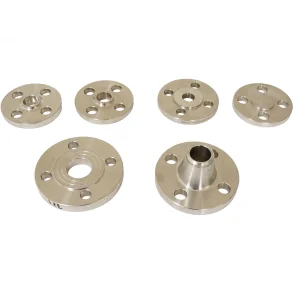
PN 16 Carbon Steel Weld Neck & Blind Flange A105
View Product Specs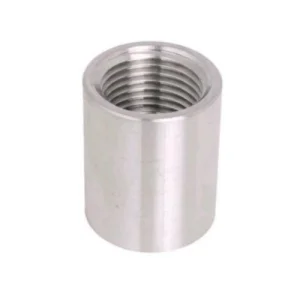
150lbs Stainless Steel Threaded Pipe Fittings
View Product Specs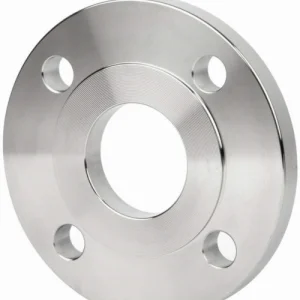
DN100 SS321 Class 300 Forged Flange Series
View Product Specs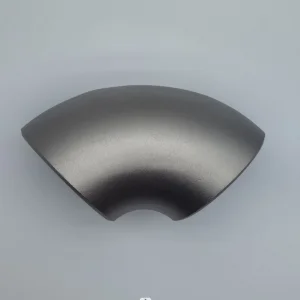
Buttweld 90 Degree SCH40 Steel Pipe Elbow
View Product Specs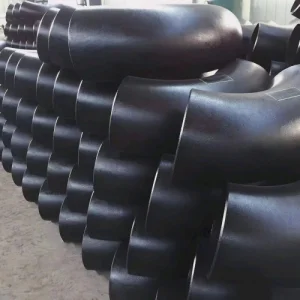
SS304L 1" SCH40 Short Radius Elbow Fitting
View Product Specs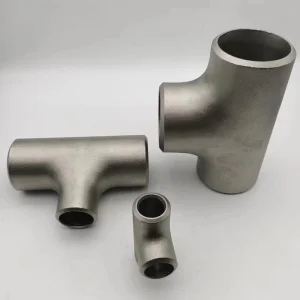
SS304/316 Butt Welding Reducing Outlet Tee
View Product Specs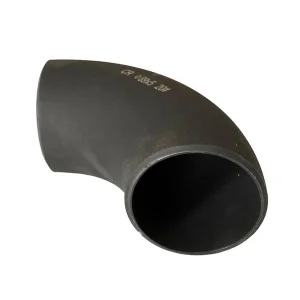
2" SCH80 ANSI B16.9 LR 90° Elbow A234 WPB
View Product Specs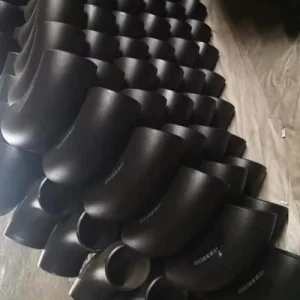
China 6" SCH40 Long Radius Carbon Steel Elbow
View Product SpecsPartner with China's Premier Flange & Fitting Manufacturer
Consolidate your piping material take-off (MTO) with HEBEI CANGRUN PIPELINE EQUIPMENT CO., LTD. Get certified slip-on flanges, weld neck flanges, valves, and butt-weld fittings directly from Cangzhou group factories with full MTR EN 10204 3.1 traceability.