
Featured Industrial Pipe Fittings & Component Quotes
Explore precision-machined butt-weld elbows, tees, reducers, and high-pressure caps manufactured to ASME/ANSI, DIN, EN, and JIS standards.
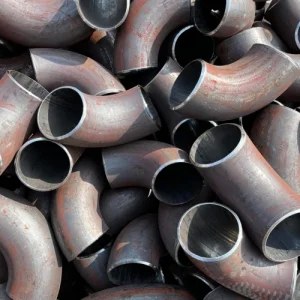
Best Mild Steel Elbow 90Deg 1.5D Manufacturers, Factory
Request Direct Quote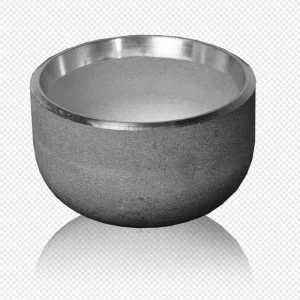
High-Quality 1 1/2" DN40 Carbon Steel Seamless Butt Weld High Pressure Cap Quotes
Request Direct Quote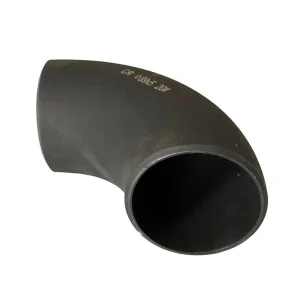
Famous Carbon Steel Stainless Steel 316 90 Degree Pipe Fitting Elbow Supplier
Request Direct Quote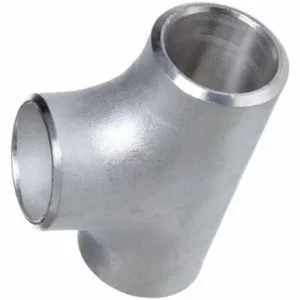
High-Quality Stainless Steel Equal Unequal Reducing Tee Factory, Exporter
Request Direct Quote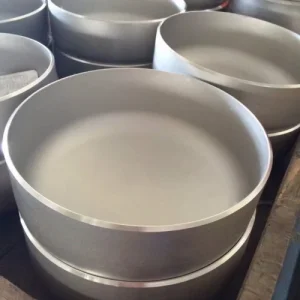
Buy ANSI B16.9 316\304\316L Cap CS Cap Companies, Service
Request Direct Quote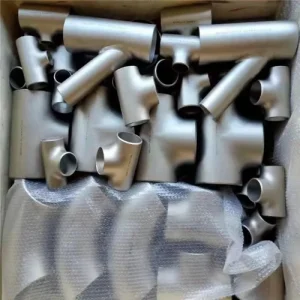
Discount High-Quality Pipe Tees – Equal & Reducing, Stainless Steel, Carbon Steel
Request Direct Quote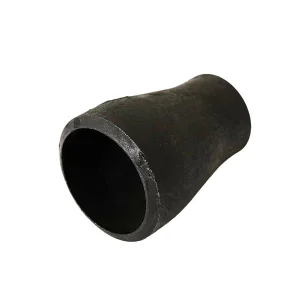
Buy Carbon Steel Pipe Fittings ASTM Stainless Steel Concentric Reducer
Request Direct Quote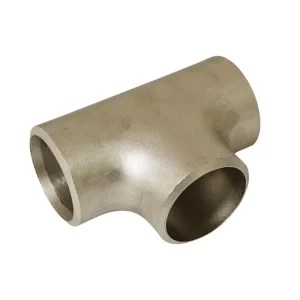
Famous SS304 316 Pipe Fitting-Butt Welding Stainless Steel Straight Tee
Request Direct QuoteExecutive Summary: Selecting the Best Pipe Fitting & Flange Manufacturers
Strategic purchasing in modern pipeline infrastructure demands more than comparing unit costs. Technical validation, metallurgical compliance, and factory automation form the backbone of total cost of ownership (TCO) optimization.
Search Intent & Market Complexity
Global procurement specialists searching for "Best Pipe Fitting Flange Factories & Quotes" are rarely looking for simple retail pricing. They require comprehensive verification of manufacturing capabilities, alloy availability (such as ASTM A105, A234 WPB, A403 WP304/316, and Duplex 2205), compliance with ASME B16.5, ASME B16.9, and EN 1092-1, alongside fast quotation turnarounds for large-scale industrial projects.
Selecting a verified manufacturing partner guarantees structural integrity under high hydrostatic pressure, extreme thermal cycling, and aggressive sour-gas environments (NACE MR0175/ISO 15156 compliance).
Information Gain & Value Proposition
This benchmark guide bridges the gap between raw manufacturer quotations and real-world project engineering. By analyzing steel forging heat treatment protocols, dimensional tolerance benchmarks, and digital supply chain integration, we empower buyers to mitigate lifecycle risks.
Our featured Cangzhou manufacturing clusters leverage fully automated hydraulic forging presses, CNC flange-facing centers, and smart spectroscopic alloy analysis to eliminate material variance and speed up lead times.
Procurement Strategy Note: When evaluating factory quotes, ensure that raw material sourcing, heat treatment (Normalization/Solution Annealing), and 100% Non-Destructive Testing (Ultrasonic & Magnetic Particle Inspection) are explicitly included in the base quotation to prevent unexpected project delays or field weld failures.
Engineering Specifications & Metallurgical Standards Matrix
A technical cross-reference detailing material grades, dimensional tolerances, pressure ratings, and heat treatment regimes required across global piping standards.
| Component Group | Primary Material Grades | Standard Specifications | Pressure / Wall Schedules | Heat Treatment & Testing |
|---|---|---|---|---|
| Weld Neck & Slip-On Flanges | ASTM A105 A350 LF2 A182 F304/316L F51 / Duplex 2205 | ASME B16.5, ASME B16.47 Series A/B, EN 1092-1, BS 4504 | Class 150 to Class 2500; PN6 to PN400 (DN10 to DN4000) | Normalizing at 900°C; Solution Annealing for SS; Ultrasonic Testing (UT) per ASTM A388. |
| Butt-Weld Pipe Elbows (90° / 45° / 1.5D / 3D) | ASTM A234 WPB WPC WP11 / WP22 A403 WP316L | ASME B16.9, JIS B2311, JIS B2312, GB/T 12459, DIN 2605 | SCH 10S to SCH 160, STD, XS, XXS (Wall Thickness up to 150mm) | Mandrel hot forming, stress relieving, Radiographic Testing (RT) on welded seams, Bevel End Check. |
| Equal & Reducing Tees / Four-Way Crosses | ASTM A234 WPB A403 WP304L A860 WPHY 52/60/70 | ASME B16.9, MSS SP-75, EN 10253-2, SH/T 3408 | Seamless: 1/2" - 24"; Welded: 4" - 78" (SCH 5S to XXS) | Hydraulic cold bulging or hot extrusion, 100% Magnetic Particle Inspection (MPI) on branch joints. |
| Concentric & Eccentric Reducers | ASTM A234 WPB ST37 15CrMo A403 WP316 | ASME B16.9, GB/T 13401, HG/T 21635, SY/T 0609 | Seamless & Welded, Wall thickness up to 150mm | Die press forming, ovality & alignment calibration, Hydrostatic testing or NDT verification. |
| High-Pressure Pipe Caps & Stub Ends | ASTM A234 WPB A105 A403 WP304/304L/316 | ASME B16.9, ANSI B16.11 (Forged), MSS SP-43 | 1/2" to 78" (DN15 to DN1900), Class 3000/6000/9000 | Deep drawing or drop forging, full wall thickness ultrasonic gauge verification. |
Grain Refinement & Forging
Superior flange manufacturing begins with closed-die or ring-rolling forging processes. Grain flow is aligned along the stress axis, resulting in higher impact toughness and resistance to stress corrosion cracking compared to plate-cut flanges.
Precision CNC Machining
Flange sealing faces (Raised Face, Flat Face, Ring Type Joint) undergo strict lathe machining to achieve exact surface roughness (AARH 125-250 micro-inches for serrated spiral finishes), ensuring zero gasket blowouts under pressure.
Full Traceability (EN 10204 3.1)
Every fitting and flange carries a hard-stamped heat number tied directly to its Mill Test Report (MTR). Chemical composition (C, Mn, Si, P, S, Cr, Ni, Mo) and mechanical properties (Yield, Tensile, Elongation, Charpy V-Notch) are 100% verified.
China Industry 4.0: Smart Manufacturing & Supply Chain Resilience
How Cangzhou's advanced pipeline equipment clusters combine automated production, raw material integration, and digital quality control to deliver unmatched cost-efficiency.
The Evolution of Cangzhou Flange & Fitting Hubs
Cangzhou, Hebei Province, stands as the global epicenter of industrial pipe fitting and flange manufacturing. By integrating raw steel sourcing, heating, precision forging, heat treatment, and export logistics within a 50-kilometer radius, factories minimize intra-supply-chain transport overheads.
Modern China Industry 4.0 initiatives have upgraded these traditional forging plants into fully automated smart facilities equipped with:
Real-time infrared temperature tracking guarantees consistent forging temperatures, eliminating internal stress concentrations during billet shaping.
High-tonnage CNC ring-rolling machines produce seamless forged flanges up to 4000mm in diameter with ultra-tight dimensional tolerances.
Automated Positive Material Identification (PMI) scanners analyze element composition in seconds, guaranteeing 0% alloy mix-ups.
Cost Advantage vs. Western Manufacturing
China's pipeline ecosystem provides a 25% to 40% cost efficiency advantage over European or North American forging mills without compromising quality. This advantage is driven by high-volume steel billet purchasing power, integrated energy management, and streamlined port logistics (Tianjin Port proximity).
Supply Chain Redundancy & Rapid Delivery
Multiple synchronized forging lines allow factories to scale production dynamically. Standard ASME B16.5 Class 150/300 A105 flanges and ASTM A234 WPB elbows are maintained in raw stock blanks, enabling express delivery for shutdown or emergency maintenance projects within 7 to 14 days.
Macro Industrial Solutions: Sector-Specific Piping Frameworks
Engineered component selection tailored to rigorous pressure, temperature, and corrosion demands across critical infrastructure industries.
Upstream Oil & Gas (Sour Service)
Operating Conditions: High pressure (up to 10,000 PSI), H2S-rich sour gas, subsea exposure.
Engineered Solutions: ASTM A350 LF2 Class 2 / ASTM A182 F51 Duplex blind and weld neck flanges conforming to NACE MR0175/ISO 15156. Ring Type Joint (RTJ) facings prevent gas permeation under high vibration.
Refining & Petrochemical Processing
Operating Conditions: Elevated thermal cycling (450°C to 650°C), hydrocarbon cracking, high velocity flow.
Engineered Solutions: Chrome-moly alloy fittings (ASTM A234 WP11, WP22, WP91) coupled with ASTM A182 F11/F22 flanges. Heavy wall schedules (SCH 80, SCH 160, XXS) prevent thermal fatigue and creep rupture.
Cryogenic LNG Storage & Transport
Operating Conditions: Ultra-low temperature service (-196°C Liquefied Natural Gas handling).
Engineered Solutions: Austenitic stainless steels (ASTM A403 WP316/316L, A182 F316L) subjected to liquid nitrogen Charpy impact testing at -196°C to verify non-brittle phase retention.
Additional High-Pressure Flanges, Tees & Connector Quotes
Complete your procurement requirement list with certified blind flanges, eccentric reducers, long radius elbows, and threaded pipe connectors.
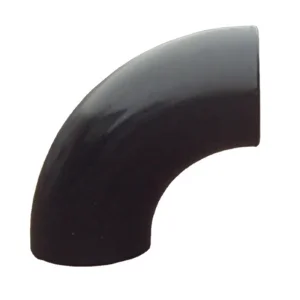
China Long/Short Radius 316 90 Degree Stainless Steel High Pressure Elbow
Request Direct Quote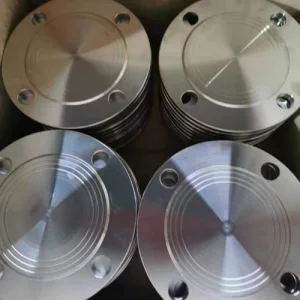
High-Quality Blind, Plate ,NPT Flange A105 Class 150 ASME B16.5 Manufacturer
Request Direct Quote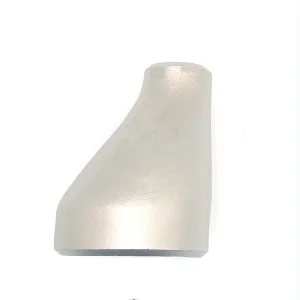
Buy ASME B16.9 Carbon Black Stainless Steel Concentric Eccentric Reducer
Request Direct Quote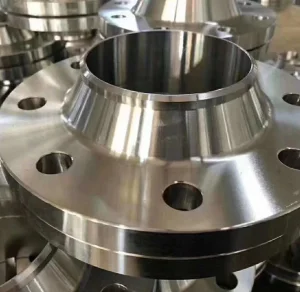
Buy Exporter, Companies Pipe Fitting Catalog & Custom Piping Packages
Request Direct Quote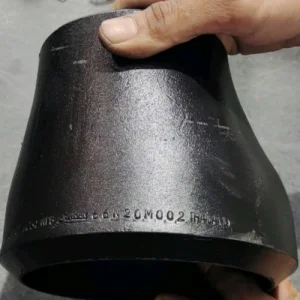
High-Quality Carbon Steel Eccentric Reducer Factories, Exporter
Request Direct Quote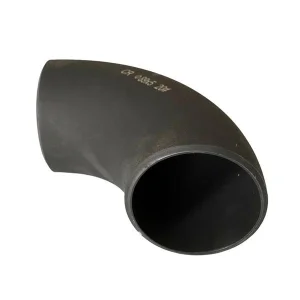
Buy Carbon Steel Butt Weld Carbon Elbows Quotes, Product
Request Direct Quote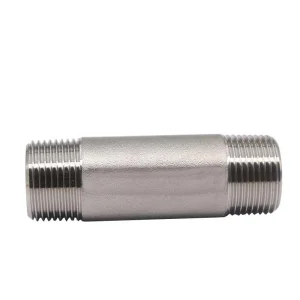
China Stainless Steel Pipe Connector Threaded Pipe Nipples Quotes, Exporter
Request Direct Quote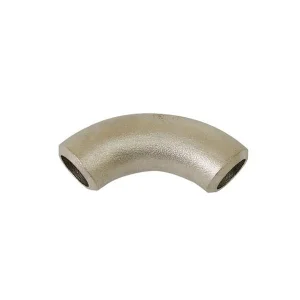
Best 304/316 Stainless Steel Pipe Elbow Manufacturers, Supplier
Request Direct QuoteLocalization Support, Regulatory Compliance & Quality Audit
Ensuring absolute compliance with international pressure equipment directives, regional border tariffs, and mandatory quality assurance frameworks.
Regulatory Certification Safeguards
Navigating cross-border compliance demands certified quality management systems. Modern factory production aligns with key global directives:
- PED 2014/68/EU (Pressure Equipment Directive): Mandatory for all pressure vessel fittings imported into the European Union (CE Marking under Module H).
- ASME Boiler & Pressure Vessel Code (BPVC): Section VIII compliance for North American power generation and vessel applications.
- CRN (Canadian Registration Number): Pre-approved pressure design registration across all Canadian provinces.
- AD 2000-Merkblatt W0: Special material qualification for German pressure equipment markets.
Localized Logistics & Customs Optimization
Importing large-tonnage steel fittings requires strategic Incoterms selection (FOB, CIF, DDP) and documentation accuracy to avoid port demurrage fees.
Top-tier China manufacturers provide complete export documentation packages including Form A/Form E Certificates of Origin, Generalized System of Preferences (GSP) documentation, clean Bills of Lading, and pre-shipment inspection certificates from independent third-party agencies such as SGS, TÜV Rheinland, Bureau Veritas (BV), and Intertek.
Technical Roadmap & Future Outlook: Next-Gen Piping Technologies
Emerging developments in green hydrogen transport, smart sensor-embedded flanges, and decarbonized forging processes shaping the next decade of industrial piping.
Green Hydrogen Pipeline Compatibility
Hydrogen embrittlement poses severe risks to traditional carbon steels. The industry is migrating toward specialized low-carbon micro-alloyed steels (API 5L X52MS / X65MS with ultra-low S and P content) and precise nickel-based alloy claddings for zero-leakage hydrogen transport networks.
Smart Sensor-Embedded Flanges
Integrating optical Fiber Bragg Grating (FBG) micro-sensors into flange gasket ring grooves enables continuous monitoring of bolt tension, thermal expansion, and micro-leakage in real-time. This predictive maintenance infrastructure drastically reduces un-planned refinery shutdowns.
Decarbonized Electric Induction Forging
Transitioning from gas-fired reheating furnaces to clean electricity-powered induction heating systems cuts direct Scope 1 carbon emissions by up to 60%. Sustainable supply chains are rapidly becoming a mandatory metric in European and North American EPC tenders.
Frequently Asked Questions (FAQ) for Procurement Teams
In-depth technical responses to common engineering, commercial, and quality assurance queries raised during RFQ evaluation.
What is the critical difference between forged flanges and plate-cut flanges? +
How do I determine whether to specify a Seamless or Welded Butt-Weld Fitting? +
Which flange sealing face finish should be selected for high-pressure gas service? +
What documentation should be mandated in the purchase order for 100% material compliance? +
What heat treatment process is required for ASTM A234 WPB and ASTM A403 WP316L fittings? +
How does Cangzhou factory production ensure tight dimensional tolerances on heavy-wall elbows? +
Can custom non-standard flanges (e.g., larger than 60 inches or custom hub thickness) be manufactured? +
What anti-corrosion surface treatments are provided prior to sea freight export packaging? +
Ready to Receive Factory-Direct Quotes for Your Piping Project?
Submit your Material Take-Off (MTO) or project specifications directly to our engineering team. We deliver line-item quotes with full MTR verification, NDT schedules, and optimized freight terms within 24 hours.
Request Direct Factory Catalog & Quotation