
High-Performance Pipe Fittings & Valves Portfolio
Explore our top-tier manufacturing output engineered for extreme thermal, corrosive, and pressure applications in global industrial projects.
Global ASTM Gate Valve Market Landscape & Sourcing Dynamics
Evaluating the evolution of linear motion isolation valves across energy, refining, and infrastructure domains.
Critical Flow Isolation
ASTM-compliant gate valves serve as the primary defense line for unidirectional bi-directional fluid shutoff. Standardized to API 600 and ASME B16.34, these valves provide full-bore flow with minimal friction pressure drop across ultra-critical oil, gas, and steam transmission networks.
Capital Expenditure Trends
Global CAPEX in hydrocarbon processing, LNG liquefaction, and green hydrogen infrastructure demands rigorous material certification. Plant operators prioritize suppliers capable of delivering dual-certified forged and cast valves with verified low-fugitive-emission packing.
Standard Compliance
Modern buyers require complete alignment with ASTM materials (A216 WCB, A351 CF8M, A182 F316), ASME pressure-temperature ratings (Class 150 to Class 2500), and stringent API 598 hydrostatic testing protocols to eliminate operational failure risks.
ASTM Gate Valve Specification Guide & Engineering Architecture
An exhaustive technical evaluation of valve body material selection, seating configurations, and mechanical stem designs for EPC contractors and plant engineers.
Selecting the optimal gate valve involves matching specific ASTM material designations with the chemical reactivity, operating temperature range, and mechanical stress profile of the pipeline fluid. Below is the definitive metallurgical reference matrix for core ASTM gate valve materials.
| ASTM Grade | Material Class | Nominal Composition | Temperature Range | Primary Industrial Application |
|---|---|---|---|---|
| ASTM A216 WCB | Cast Carbon Steel | Fe-0.30C-1.00Mn | -29°C to 425°C (-20°F to 800°F) | Non-corrosive fluids, boiler feed water, steam, refined oil lines. |
| ASTM A352 LCB | Low-Temp Carbon Steel | Fe-0.25C-1.20Mn | -46°C to 343°C (-50°F to 650°F) | Low-temperature gas processing, Arctic installations, cold water service. |
| ASTM A217 WC6 | 1.25Cr - 0.5Mo Alloy | 1.25Cr-0.5Mo-Fe | -29°C to 593°C (-20°F to 1100°F) | High-temperature superheated steam, thermal power plants, hydrocrackers. |
| ASTM A217 WC9 | 2.25Cr - 1Mo Alloy | 2.25Cr-1Mo-Fe | -29°C to 593°C (-20°F to 1100°F) | High-pressure high-temperature catalytic reforming, power boiler piping. |
| ASTM A351 CF8M | Cast 316 Stainless Steel | 18Cr-12Ni-2.5Mo | -196°C to 537°C (-320°F to 1000°F) | Corrosive chemicals, nitric acid, marine environments, cryogenic gas. |
| ASTM A182 F316L | Forged Stainless Steel | 18Cr-12Ni-2.5Mo (Low C) | -196°C to 450°C (-320°F to 842°F) | High-pressure forged lines, pharmaceutical pipelines, offshore topsides. |
1. Wedge Design Mechanics
Flexible Wedge: Engineered with a perimeter groove to allow independent seating angle adjustment. This compensates for body seat thermal binding and line torque deflection, providing superior tight-shutoff performance under rapid thermal cycling.
Solid Wedge: Simple, robust single-piece geometry ideal for general services and low-pressure turbulent lines. Highly resistant to vibration but susceptible to thermal binding in extreme temperature shifts.
Split Wedge / Parallel Slide: Features two independent disc plates pressed against seats by an internal spring mechanism. Exceptional for high-pressure differential applications where thermal expansion would jam solid wedges.
2. Stem & Bonnet Architecture
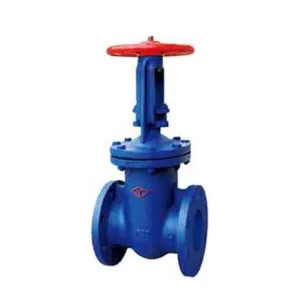
OS&Y (Outside Screw & Yoke): The stem thread remains isolated from the line fluid, preventing process corrosion and fluid contamination. The rising stem position gives clear visual confirmation of valve opening status, mandatory for power plants and refineries.
NRS (Non-Rising Stem): Stem threads interact directly inside the medium chamber. Ideal for space-constrained underground pipelines, water works, and vault installations where vertical clearance is limited.
Bolted Bonnet vs. Pressure Seal Bonnet: Bolted bonnets deliver robust performance up to Class 600. For Class 900 and above, pressure-seal bonnets utilize internal line pressure against a soft metallic gasket to increase seal tightness as system pressure scales.
The Cangzhou Supply Chain Matrix & Cost-Efficiency Advantage
How Hebei Cangrun Pipeline Equipment Co., Ltd. leverages regional industrial clustering to deliver precision-machined ASTM gate valves and matching components at world-class lead times.
Raw Material Integration
Located in Cangzhou, Hebei—China's primary industrial pipeline ecosystem—Cangrun Pipe benefits from immediate access to top-tier steel foundries and forging mills. Direct raw material access lowers procurement overhead by 15-22% while ensuring 100% heat traceability.
Advanced CNC Machining
Our group facilities, including Cangzhou Feiwo and Cangzhou Feixiang Metal Products Co., Ltd., employ multi-axis CNC machining centers. Body seat ring threads, guide channels, and stem sealing faces are machined to micron-level tolerances for zero-leakage performance.
End-to-End Quality Verification
From spectrographic raw material analysis to final API 598 shell and seat hydro testing, every valve is validated. EN 10204 3.1 Material Test Reports (MTRs) and non-destructive testing (UT, MT, RT, PT) are standard deliverables for every shipment.
Global Industry Field Deployments
Tailoring ASTM gate valve configurations to withstand specific operational pressures, fluid chemistry, and ambient stresses across major global industrial sectors.
Upstream Oil & Gas
In offshore platform topsides and wellhead manifolds, high-pressure sour gas lines present severe cracking risks. Our ASTM A182 F316 / NACE MR0175 compliant gate valves feature Stellite 6 hardfaced seat rings to prevent H2S sulfide stress corrosion cracking under operating pressures up to 10,000 PSI.
Hydrocarbon Processing
Refinery fluid catalytic cracking units (FCCU) and hydrocrackers subject isolation valves to continuous thermal shock up to 593°C. ASTM A217 WC9 alloy body construction combined with flexible wedge designs prevents body-seat binding and stem galling under cyclic heat loading.
Thermal & Nuclear Power Generation
Main steam isolation lines in power stations demand zero tolerance for seat leakage. High-pressure Pressure Seal Bonnet ASTM gate valves (Class 1500 to 2500) provide optimal seal integrity, low flow turbulence, and extended packing lifespan under high velocity steam flow.
Procurement Protocols & Total Cost of Ownership (TCO) Optimization
Key quality verification steps for supply chain managers to reduce long-term maintenance costs and prevent project delays.
1. Essential Quality Inspection Checklist
• Chemical & Mechanical Verification: Confirming PMI (Positive Material Identification) and mechanical tensile/impact test values against ASTM code tolerances.
• Pressure Test Validation: Hydrostatic shell testing at 1.5x cold working pressure and low-pressure air seat closure testing at 80 PSI per API 598.
• Wall Thickness Auditing: Ultrasonic thickness gauges ensure minimum body wall thickness adheres strictly to ASME B16.34 dimensional charts.
• Fugitive Emissions Certification: Verifying API 622 stem packing testing to ensure compliance with global EPA emission standards (<100 ppm leakage).
2. Package Consolidation ROI
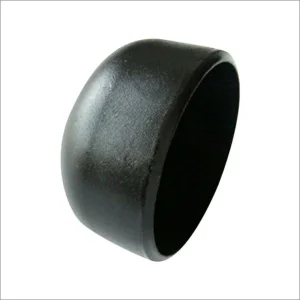
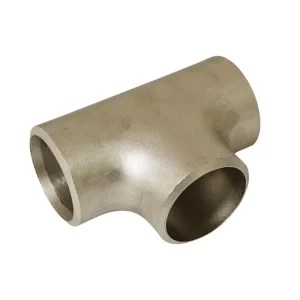
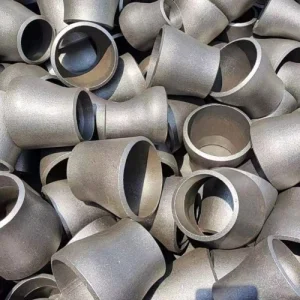
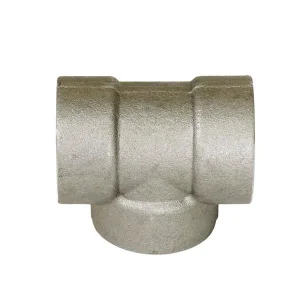
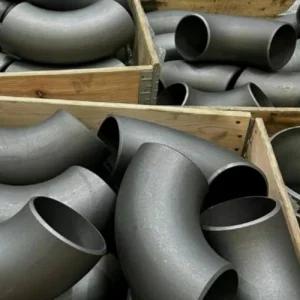
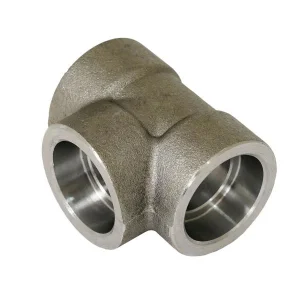
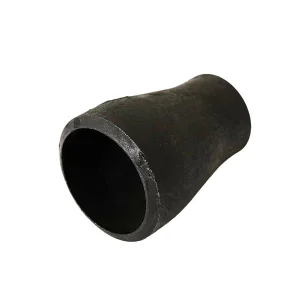
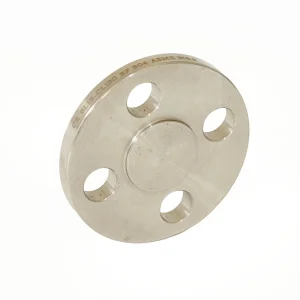
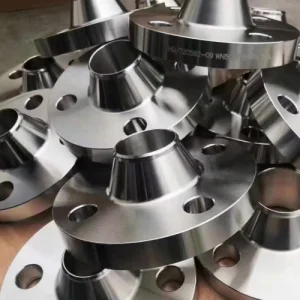
Ordering gate valves alongside matching ASTM A234 butt-weld elbows, tees, reducers, and ASME B16.5 flanges from a single manufacturer yields major procurement savings:
• Unified Freight Logistics: Lowering containerized transport overhead and simplifying port clearance.
• Matching Metallurgy: Guaranteeing identical heat expansion and weldability parameters across the entire piping assembly.
• Simplified Documentation: One single vendor contact for all material trace certificates, inspection reports, and shipping manifests.
Next-Generation Valve Technologies & Market Dynamics
How smart valve monitoring, advanced surface hardening, and decarbonization initiatives are shaping future valve manufacturing.
Digital Twins & Smart Actuation
Integration of IoT wireless sensors into gate valve yokes allows continuous real-time monitoring of stem packing torque, vibration, and thermal expansion. Predictive algorithms enable maintenance before catastrophic seal failures occur, extending plant uptime.
HVOF & Laser Cladding
High-Velocity Oxygen Fuel (HVOF) and laser cladding thermal spraying are replacing traditional manual overlay welding. Applying satellite and nickel-based alloy powders yields ultra-dense seat faces with superior micro-hardness and abrasive slurry resistance.
Hydrogen & Clean Energy Readiness
As global energy networks transition to green hydrogen blends, ASTM gate valves undergo rigorous helium leakage testing. Specialized soft-gasket compounds and ultra-fine stem surface finishes (Ra < 0.2 µm) prevent micro-molecule gas permeation.
Industrial Valves, Flanges & Pipe Components Catalog
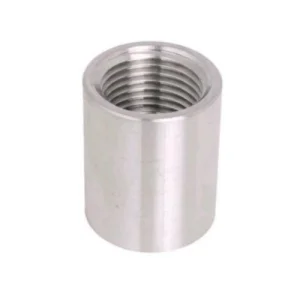
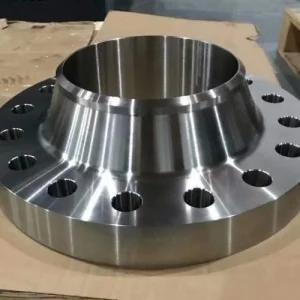
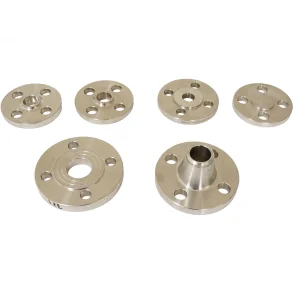
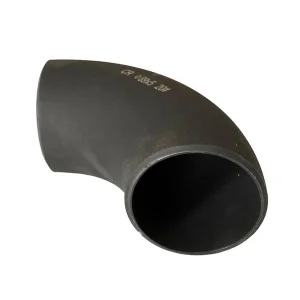
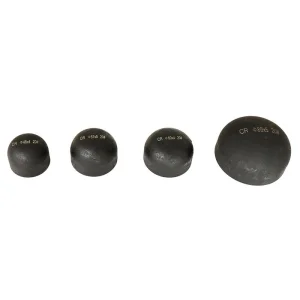
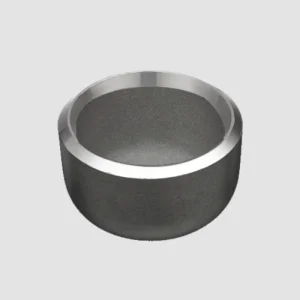
Complete your plant infrastructure requirements with our certified selection of industrial wedge valves, elbows, caps, and flanges.
Frequently Asked Questions: ASTM Gate Valves & Procurement
Clear, authoritative answers to critical engineering, manufacturing, and compliance questions asked by piping procurement specialists.