
How to Choose the Right Galvanized Nipple for Your Project?

Time:2026-11-12 Author:Mason
0%

Choosing a Galvanized Nipple may seem like a small project decision, yet it can affect fit, durability, and maintenance. This short threaded pipe section must match the system’s material, diameter, thread type, pressure needs, and working environment. Its zinc coating can help slow corrosion, but it does not make every installation suitable for constant moisture or aggressive chemicals. Details matter. A nipple that looks right on the shelf may have the wrong thread standard or length for the fittings already in place. Checking specifications before purchase can help prevent leaks, rework, and unnecessary delays.

This guide explains the practical details to compare when selecting a Galvanized Nipple. It covers dimensions, thread compatibility, coating condition, and the intended service environment. For example, NPT and BSP threads are not interchangeable simply because they appear similar. The product’s rated pressure and temperature should also suit the system, as stated by its manufacturer. A close visual match is not enough.

Selection still involves judgment. Existing pipework may be older, poorly labeled, or difficult to measure, and a checklist cannot resolve every uncertainty. Where specifications are unclear, confirm them with the supplier or a qualified plumbing professional before installation. The aim is not to choose the heaviest or most expensive part. It is to choose a properly specified fitting that suits the actual connection and operating conditions.
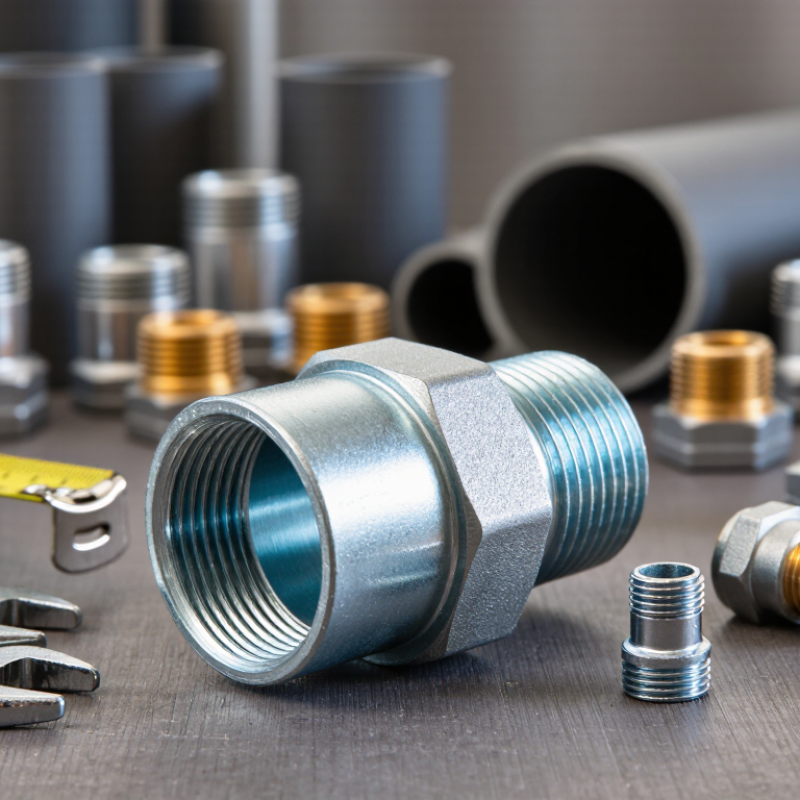
How to Choose the Right Galvanized Nipple for Your Project?

What Is a Galvanized Nipple and Where Is It Used?

A galvanized nipple is a short length of steel pipe coated with zinc, usually threaded at both ends. It joins two threaded fittings or extends a pipe run. The zinc layer helps slow rust when moisture reaches the steel, though it does not make the fitting corrosion-proof. You may see nipples in water lines, irrigation setups, and some outdoor or utility piping. Small part. Big consequence.

Choose one by checking its nominal pipe size, thread type, length, and pressure rating. A nipple that is too short may leave little thread engagement; one that is too long can crowd nearby fittings. Galvanized steel is not suitable for every fluid or environment. Confirm compatibility with the piping system, temperature, and project requirements, especially where drinking water is involved. I have found that measuring the available space twice is worthwhile; it is easy to overlook a nearby valve or wall.

Tips: Inspect threads for dents and the zinc coating for bare patches before installation. Use a suitable thread sealant, and avoid forcing a cross-threaded connection. Check the finished joint for leaks under the system’s normal test procedure. If the specifications are unclear, ask a qualified plumbing professional before fitting it.

Which Materials, Coatings, and Sizes Are Available?

Galvanized nipples are commonly made from carbon steel with a zinc coating. Hot-dip galvanizing generally provides a thicker coating than electrogalvanizing, but the process can affect thread fit. Check that threads remain clean and fully engage. Small details matter.

Coating choice depends on moisture, exposure, and the fluid being carried. Zinc can slow corrosion, but it is not suitable for every fluid or temperature. AMPP’s 2016 IMPACT study estimated global corrosion costs at

$2.5 trillion annually, or 3.4% of global GDP.

That figure covers many industries, not nipples alone, but it shows why corrosion control deserves attention. For sizing, match nominal pipe size, nipple length, and wall schedule to the line.

ASME B36.10M covers steel pipe dimensions; ASME B1.20.1 defines NPT threads. A 1-inch nominal size does not mean a 1-inch outside diameter. Easy to miss.

Confirm the mating fitting, pressure needs, and installation space before ordering. Choosing the thickest coating or largest size is not automatically better; sometimes the right choice takes a second look.

How Do Pressure, Temperature, and Fluid Affect Selection?

Pressure is not a single number stamped on every galvanized nipple. It depends on pipe size, wall thickness, thread condition, temperature, and the weakest connected component. ASTM A53/A53M specifies requirements for steel pipe, while ASME B16.3 provides pressure-temperature ratings for threaded malleable-iron fittings. Use the relevant standard’s tables for the fitting and the pipe’s documented rating; do not treat a fitting class as the nipple’s rating. Check the actual rating. In the field, damaged threads or poor sealing can undermine an otherwise suitable assembly.

Temperature and fluid chemistry matter just as much. Higher operating temperatures can reduce allowable pressure, so a rating stated at room temperature may not apply to a hot line. Zinc coatings also have limits: acidic or strongly alkaline fluids can attack zinc, while water chemistry and temperature affect corrosion over time. Compare the fluid’s pH, concentration, and operating temperature with a trusted materials-compatibility reference. Not a guess. ASTM A53/A53M addresses galvanized pipe requirements, but it is not a universal compatibility chart. I would verify the exact fluid and service conditions before choosing a nipple; that extra check can prevent early coating loss or leakage.

How Do Thread Type, Length, and Fit Determine Compatibility?

How to Choose the Right Galvanized Nipple for Your Project?
How Do Thread Type, Length, and Fit Determine Compatibility?

Thread type is the first compatibility check. NPT and BSPT may look similar, but their profiles differ. ASME B1.20.1 specifies NPT’s 60-degree thread form and 1:16 taper; ISO 7-1 specifies BSPT threads with a 55-degree profile. These standards are not interchangeable. Small mismatch, big leak. Check the fitting’s markings or technical drawing before ordering, especially when joining imported components.

Length matters just as much. Measure the required connection distance and confirm whether the listed nipple length is overall or based on the threaded ends. Too short, and the fitting may not engage securely; too long, and it can bottom out or obstruct nearby parts. Also check diameter and thread engagement. Galvanizing adds a coating, so inspect threads for damage or buildup rather than forcing a tight connection. A wrench can hide a poor fit, not fix it.

Tips: Match the thread standard, nominal size, and length to the mating fitting. Test engagement by hand before tightening. If it binds early, stop and recheck the thread type. A supplier drawing can resolve measurement questions, though drawings are not always perfectly clear.

How to Choose the Right Galvanized Nipple for Your Project? — How Do Thread Type, Length, and Fit Determine Compatibility?

Use this reference to compare nominal pipe size, thread form, and nipple length before ordering. Confirm the markings and dimensions of the mating fittings; similar-looking threads are not necessarily interchangeable.

Project Example Nominal Pipe Size (NPS) Approx. Pipe Outside Diameter Thread Type to Specify Typical Nipple Length Compatibility and Fit Check
Compact connection between two close fittings 1/2 in 0.840 in (21.3 mm) NPT, if both mating ports are NPT 1 in or 2 in overall length Check available clearance and how far the nipple must enter each fitting. NPT threads are tapered; use an appropriate thread sealant for the service.
General-purpose branch or equipment connection 3/4 in 1.050 in (26.7 mm) NPT, if the mating fittings are specified as NPT 2 in or 4 in overall length Match the nominal size and thread standard at both ends. Allow enough length for installation while avoiding excessive projection into the flow path.
Longer offset between threaded components 1 in 1.315 in (33.4 mm) NPT, if both connections use NPT 4 in or 6 in overall length Verify the actual end-to-end space required, including thread engagement. Support the connected pipework so the nipple is not used to correct misalignment.
Connection to a tapered British-thread fitting Use the size marked on the mating fitting Varies by nominal pipe size BSPT (also identified as R or Rc, depending on the connection) Select the length required by the installation BSPT uses a 55-degree thread form and is not the same as NPT, which uses a 60-degree form. Do not assume the threads will seal or fit correctly together.
Connection to a parallel British-thread port Use the size marked on the mating fitting Varies by nominal pipe size BSPP (commonly identified as G) Select the length required by the installation BSPP threads are parallel and commonly seal at a washer, gasket, or designated sealing face. Confirm the required sealing method; thread sealant alone may not provide the intended seal.
Replacement where the existing nipple length is known Match the existing nominal size For reference: NPS 1/2 = 0.840 in; NPS 3/4 = 1.050 in; NPS 1 = 1.315 in Match the existing thread standard and end configuration Measure the specified overall length, not just the exposed gap Check whether the replacement length is measured end-to-end and compare it with the supplier’s measurement convention. Nominal pipe size is not the pipe’s measured outside diameter.

Selection note: NPS and the listed outside diameters are nominal pipe-size references; they do not define the nipple’s overall length. Thread standards, end style, material, schedule, and applicable pressure or service requirements should all match the project specification. For critical or regulated applications, verify dimensions and suitability against the relevant standard and system requirements.

How Should a Galvanized Nipple Be Inspected and Installed?

How to Choose the Right Galvanized Nipple for Your Project?

How Should a Galvanized Nipple Be Inspected and Installed?

Before installation, compare the nipple’s length, diameter, thread type, and pressure rating with the project requirements. Check the threads for dents, crossed turns, or metal shavings. Look closely at the zinc coating, too. Peeling, deep scratches, or red rust may signal damage. A little surface variation is not always a defect, but uncertainty deserves a second look. Small details matter.

Make sure the pipe system is shut off and depressurized. Clean the mating threads, then apply a sealant rated for the service and compatible with the materials. Start the nipple by hand to prevent cross-threading. Tighten it with a suitable wrench, gripping the flats rather than crushing the threaded area. Avoid forcing a misaligned connection or overtightening; damaged threads can leak even when the joint feels secure. Follow the project specifications, since requirements vary by application.

Tips: After assembly, restore service gradually and inspect the joint for leaks. Use a dry cloth around the connection; moisture is easier to spot that way. If the nipple shifts, leaks, or shows damaged threads, stop and reassess rather than tightening blindly. A careful pause can save a messy repair.

How to Choose, Inspect, and Install a Galvanized Nipple

Compare the nominal pipe size (NPS) with its standard outside diameter when selecting a nipple; NPS is a size designation, not the measured outside diameter. Inspect the zinc coating and threads for damage, confirm the fitting and thread type match, and use a suitable thread sealant. Tighten securely without excessive force, then check the completed connection for leaks. Outside-diameter values shown are standard steel-pipe dimensions per ASME B36.10M.

FAQS

What is a galvanized nipple?

It is a short steel pipe with a zinc coating and threads at both ends. It connects threaded fittings or extends a pipe run.

Where might a galvanized nipple be used?

Common uses include water lines, irrigation systems, and some outdoor piping. Suitability depends on the system and the fluid.

How do I choose the right size?

Check nominal pipe size, thread type, length, and documented pressure rating. Measure nearby valves and walls; tight spaces are easy to misjudge.

Does the zinc coating prevent all rust?

No. Zinc can slow rust, but it does not make steel corrosion-proof. Scratches, harsh fluids, and changing water conditions can affect it.

What affects a nipple’s pressure rating?

Pipe size, wall thickness, temperature, thread condition, and connected components all matter. Check the documented ratings for the actual parts.

How can fluid and temperature affect selection?

Higher temperatures may reduce allowable pressure. Acidic or strongly alkaline fluids can attack zinc, so verify compatibility for the exact service.

What should I inspect before installation?

Look for dented threads, metal shavings, peeling coating, deep scratches, and red rust. A second look is worthwhile.

How should I install and check the connection?

Shut off and depressurize the system. Clean the threads, apply compatible sealant, and start by hand. Tighten carefully, then restore service gradually and check for leaks with a dry cloth.

What should I do if the joint leaks?

Stop and reassess if it shifts, leaks, or has damaged threads. Do not keep tightening blindly. I still double-check alignment.

Conclusion

Choosing the right Galvanized Nipple starts with understanding its role: it is a short, threaded pipe fitting used to connect plumbing or piping components in systems such as water, air, and other compatible services. Available options can vary by base material, protective zinc coating, diameter, and length, so selection should match the project’s connection requirements and expected service life.

Before choosing, consider the system’s pressure and temperature limits, as well as the fluid being conveyed, since these factors affect material suitability and corrosion resistance. Confirm that the thread type and dimensions match adjoining fittings, allowing for a secure connection without forcing or cross-threading. Before installation, inspect the nipple for damaged threads, coating defects, rust, or other visible flaws. Install it with suitable tools and sealing materials, tightening carefully to create a dependable fit while avoiding damage to the threads or surrounding components.

Mason

Mason

Mason is a seasoned marketing professional with a deep expertise in the company's offerings and a passion for driving brand awareness. With a strong background in digital marketing strategies, he has an innate ability to connect with diverse audiences and effectively communicate product benefits.......